Last Updated: May 2026
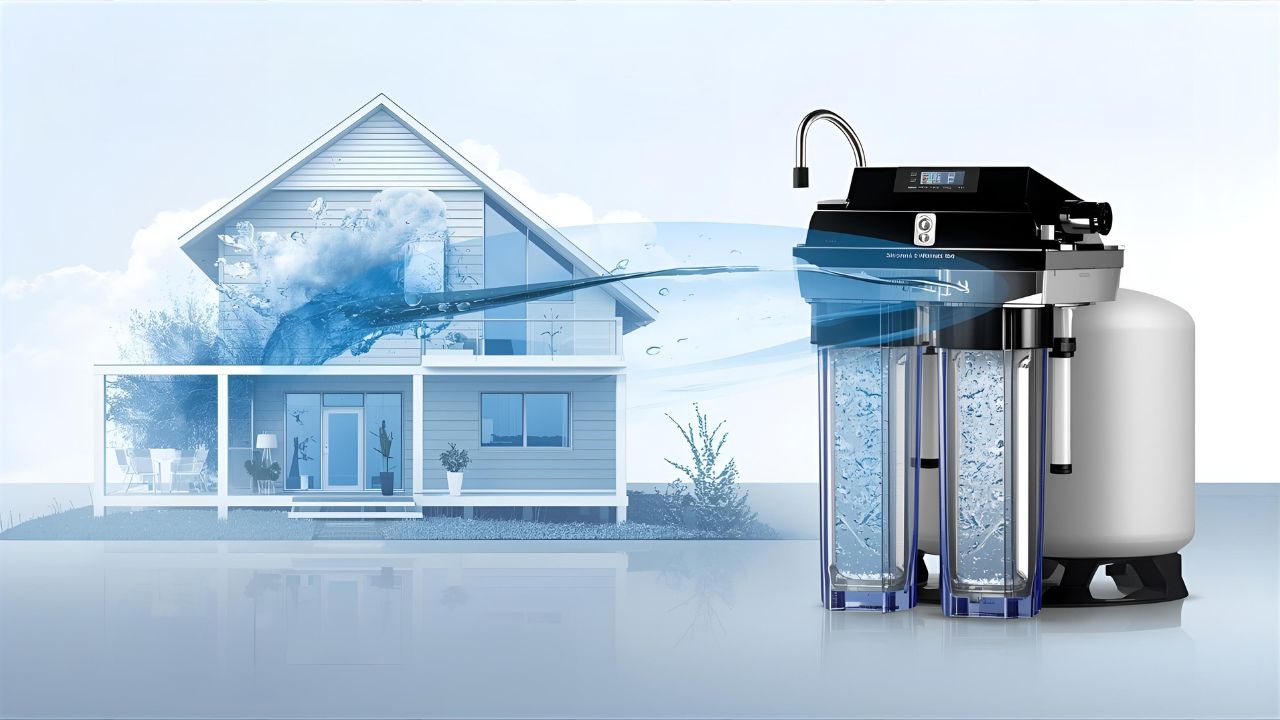
Clean, great‑tasting water at every tap is one of those quiet upgrades that changes everything—your skin, your coffee, your laundry, your confidence in what your family drinks and bathes in each day. For more and more households with difficult water (high TDS, PFAS concerns, nitrates or problematic wells), the solution is a whole house reverse osmosis (RO) system instead of a single point‑of‑use filter.
This 2026 guide helps you compare the best whole house reverse osmosis systems, match capacity and technology to your home, and understand when you actually need whole‑home RO versus a high‑end whole house carbon system plus an under‑sink RO.
My Honest Take as the Founder of Healthy Home Upgrade
Whole house reverse osmosis is one of those topics where I see a lot of overclaiming online. Every article seems to promise that it will transform your home and your health. The reality is more nuanced than that, and I think it is important to say so clearly.
Most homes on city water do not need whole house reverse osmosis. A high quality carbon filter for the whole house combined with a good under sink RO at the kitchen tap is often the smarter, more proportionate solution. Whole house RO makes genuine sense when the problem is serious and affects the entire home, like high TDS well water, nitrates, arsenic, or contamination that carbon alone cannot handle.
What I find most valuable about this category is not any single product but the thinking behind it. Before you invest in a large system, test your water. Know what you are actually dealing with. The certification matters more than the brand name, and a correctly sized system for your real water problem will always outperform an expensive oversized one.
I have researched this category carefully because I take water seriously across the whole home, not just at the drinking tap. But I also believe in proportionate solutions. The goal is not maximum filtration at any cost. It is the right filtration for your actual situation.
Whole House Reverse Osmosis Systems (Best Picks)
- Best smart RO for modern homes: Waterdrop G3P800 — a sleek, tankless 800 GPD system with NSF/ANSI 42, 53, 58 and 372 certifications, a high‑efficiency 3:1 pure‑to‑drain ratio and a smart faucet that shows TDS and filter life, ideal for medium‑to‑large city homes that want fast, quiet, minimalist filtration.
- Best value RO for balanced taste: iSpring RCC7AK — a 6‑stage, NSF/ANSI 58‑certified under‑sink RO system with an alkaline remineralization stage that adds back calcium and magnesium and raises pH for spring‑like taste, making it a great fit for small to mid‑size homes that care about flavor as much as purity.
- Best RO for challenging well water: Home Master TMHP HydroPerfection — a multi‑stage RO setup with UV sterilization, advanced carbon filtration and remineralization that’s built specifically for high‑contamination wells, iron/sulfur issues and rural conditions where extra biological protection matters.
- Best high‑capacity RO for big families: Express Water 10‑Stage RO System — a robust 10‑stage unit combining sediment, multiple carbon stages, alkaline and post‑filters to support higher flow and heavy kitchen use, offering strong overall value for busy suburban households.
- Best compact smart RO for apartments: Waterdrop X12 — a quiet, space‑saving under‑sink system with app‑based filter tracking and efficient performance, designed to give small apartments and condos premium RO water without sacrificing cabinet or counter space.
At a Glance
| System type / example | Best for | Typical capacity (GPD) & waste ratio | Key notes & when to choose it |
| Whole house RO for well water (with pre‑treatment + remineralization) | Private wells with high TDS, nitrates, arsenic, or serious contamination. | 500–2,000+ GPD; older designs often ~15% efficient (≈6:1 waste), newer premium builds can approach 2–3:1 with high‑pressure pumps. | Full‑home RO with sediment, iron/manganese pre‑treatment, carbon, RO, storage tank and post‑filters; highest purity but most complex and expensive. Ideal when your well truly demands it and you have space for tanks and drain lines. |
| Hybrid: Whole house carbon + point‑of‑use RO (e.g., kitchen) | Most city homes, moderately hard wells, and families focused on drinking/cooking water safety. | Whole house carbon handles full flow; under‑sink RO adds 400–800 GPD at one or two taps with 1:1–3:1 waste ratios. | Often the best reverse osmosis setup for whole homes: carbon system protects plumbing and showers, while a smart under‑sink RO like Waterdrop G3P800 handles drinking water and lead/PFAS. Less waste and lower cost than full‑home RO. |
| Commercial‑style whole house RO skids | Large houses, small multi‑unit buildings, or properties with very high daily use. | 1,000–10,000+ GPD; efficiency depends heavily on design, feed pressure and recovery configuration. | Turn‑key “mini plant” systems with high‑pressure pumps, membranes, tanks and controls; require professional design and service but can support complex properties or small businesses. |
If you are not sure yet whether you truly need whole‑house RO, open my Best Whole House Water Filter Systems 2026 guide it compares advanced carbon systems like Aquasana Rhino, SpringWell CF1 and Pentair Pelican against RO so you don’t over‑buy.
Why Reverse Osmosis —and when whole house RO actually makes sense
Reverse osmosis acts like a tiny, high‑pressure water treatment plant in your utility room. Water is pushed through a semi‑permeable membrane that can remove up to around 95–99% of many dissolved solids and contaminants, including:
- Chlorine and many disinfection by‑products (with pre‑carbon)
- Fluoride
- Many heavy metals (lead, arsenic, chromium)
- Nitrates and some pesticides
- Many PFAS “forever chemicals” (when the system is specifically tested)
- Microplastics and fine particulates
The result is very low‑TDS water that tastes crisp and neutral at taps, showers and appliances.
Whole‑house RO is most appropriate when:
- You have a difficult well with nitrates, high TDS, salt, or contaminants that carbon alone cannot handle.
- Your local water reports or independent testing show significant pollutants and you want one central, engineered system.
- You are willing to invest in pre‑treatment, storage, pump and remineralization to protect the system and your home.
For many municipal homes, a whole‑house carbon + point‑of‑use RO combo is enough (and often better on water waste and cost). My Best Water Filter for Lead Removal guide explains which under‑sink RO systems (like Waterdrop G3P800) are independently tested for lead and PFAS so you can layer them confidently under a carbon whole‑house setup.

How to Choose the Right Whole House RO Setup in 2026
Reverse osmosis technology hasn’t changed much — but efficiency and design have. The newest models use less water, produce faster flow rates, and include smart reminders for filter changes.
Here’s what to look for before buying.
1. Certifications you can actually trust
For any RO‑based solution, look for:
- NSF/ANSI 58 – performance of the RO membrane (TDS reduction, fluoride, sometimes specific contaminants).
- NSF/ANSI 61 – materials in contact with water.
- NSF/ANSI 53 / 401 – if additional stages specifically target lead, VOCs or emerging contaminants.
- WQA Gold Seal, CE and RoHS – extra assurance around build quality, electronics and materials (especially for pumps and controllers).
If you are focused on lead and PFAS, cross‑check candidates against the products listed in your lead‑removal archive so you’re not relying on vague claims.
2. Capacity and storage (GPD, tanks and pressure)
Whole‑house RO is not just about membrane size; you must also think about:
- Daily production (GPD): Small homes might manage with 400–700 GPD; larger homes and light commercial setups can need 1,000–3,000+ GPD.
- Storage tank size: Because RO water is produced relatively slowly, you usually store it in a pressurized or atmospheric tank; the system then draws from that tank during peak use.
- Booster pumps: Essential to keep good pressure and flow at multiple taps, especially in multi‑story homes.
Correct sizing is one of the biggest differences between a satisfying system and one that leaves you with low pressure and cold showers; this is where a professional familiar with whole house RO for well water or complex city setups earns their fee.
3. Efficiency and waste ratio
Legacy RO systems routinely wasted 3–6 gallons for every gallon of purified water (efficiency ~15%). Newer, well‑designed systems can push recovery higher with:
- High‑pressure pumps
- Multi‑stage membrane arrays
- Smart flush cycles and recirculation
For whole‑house RO, realistic household‑scale recovery often looks like 2–3:1 (2–3 gallons waste per gallon product), sometimes better on carefully tuned systems. Work with an installer who will:
- Calculate recovery based on your feed water chemistry.
- Plan where reject water should go (drain, irrigation, or other approved use).
If you live in a drought‑prone area, this is a key decision point—sometimes the hybrid carbon + point‑of‑use RO path is better for the environment and your bills.
4. Filter stages, taste and remineralization
Because whole‑house RO strips out a lot—including hardness—you usually want:
- Pre‑treatment – sediment, iron/manganese, sometimes softening; protects membranes.
- Carbon stages – for chlorine/chloramine and organics.
- RO membranes – main barrier for dissolved solids, nitrates, some PFAS.
- Post‑filters & remineralization – to protect plumbing from low‑pH water and improve taste at taps.
Remineralization (often calcium/magnesium) does not fully replace dietary minerals, but it can:
- Help stabilize pH.
- Reduce corrosiveness.
- Make water taste more like a natural spring.
5. Maintenance and ease of use
Even large whole‑house RO systems can be manageable when they are well designed:
- Pre‑filters: 6–12 months (or as your water chemistry demands).
- RO membranes: 2–5+ years depending on pre‑treatment and usage.
- Post filters & remineralization: often annually.
- UV lamps: yearly if used.
Look for color‑coded housings, valve blocks that isolate stages quickly, and clear pressure gauges so you can spot clogs before membrane damage.
Materials: plastics, EPP/EVA, PFAS & lower-tox choices
Whole‑house RO systems are mostly steel frames, pressure vessels, pumps, tubing and plastics, so the main material questions are about what they’re made from and how they’re used.
- Pressure vessels & housings: Quality systems use fiberglass‑reinforced plastic or stainless steel for housings and pressure tanks; cheap, uncertified housings are not worth the risk. Verify NSF 61 or equivalent listings for housings in contact with water.
- Tubing / fittings / seals: Prefer PEX/PE tubing and polypropylene fittings with silicone or EPDM O‑rings over PVC/vinyl where you have a choice. Silicone (similar to medical‑grade silicone) is widely used in safe gaskets and is generally a good default for long‑term water contact.
- EPP/EVA foams: You may see expanded polypropylene (EPP) or EVA blocks used in packaging, vibration damping or pump bases. They are not automatically toxic, but you do not need extra foam stored in damp utility spaces; remove packaging after installation and keep only the engineered components in service.
- PFAS & coatings: PFAS is not typically part of RO membranes or housings themselves; it shows up more in non‑stick or stain‑resistant coatings on nearby cabinetry, flooring or insulation products. Avoid heavy “never‑stain” sprays or fluorinated shelf liners in your mechanical room or under sinks; use simple trays, stainless‑steel shelves and uncoated liners instead.
- Paints and primers: If you are repainting the mechanical space, pick low‑VOC or zero‑VOC paints; you spend less time there than in a bedroom, but there is no reason to add extra VOCs around storage tanks and plumbing.
From a Healthy Home Upgrade lens, the bigger low‑tox decisions often sit upstream and downstream of the RO skids: choose safer materials for under‑sink cabinetry, avoid crumbly, foam‑based liners, and keep the room clean, dry and well ventilated.
Best Whole House Reverse Osmosis Systems
Below are several standout models that represent different household needs — from compact apartments to large family homes. Each has strong reviews, certifications, and proven reliability.
1. Waterdrop G3P800
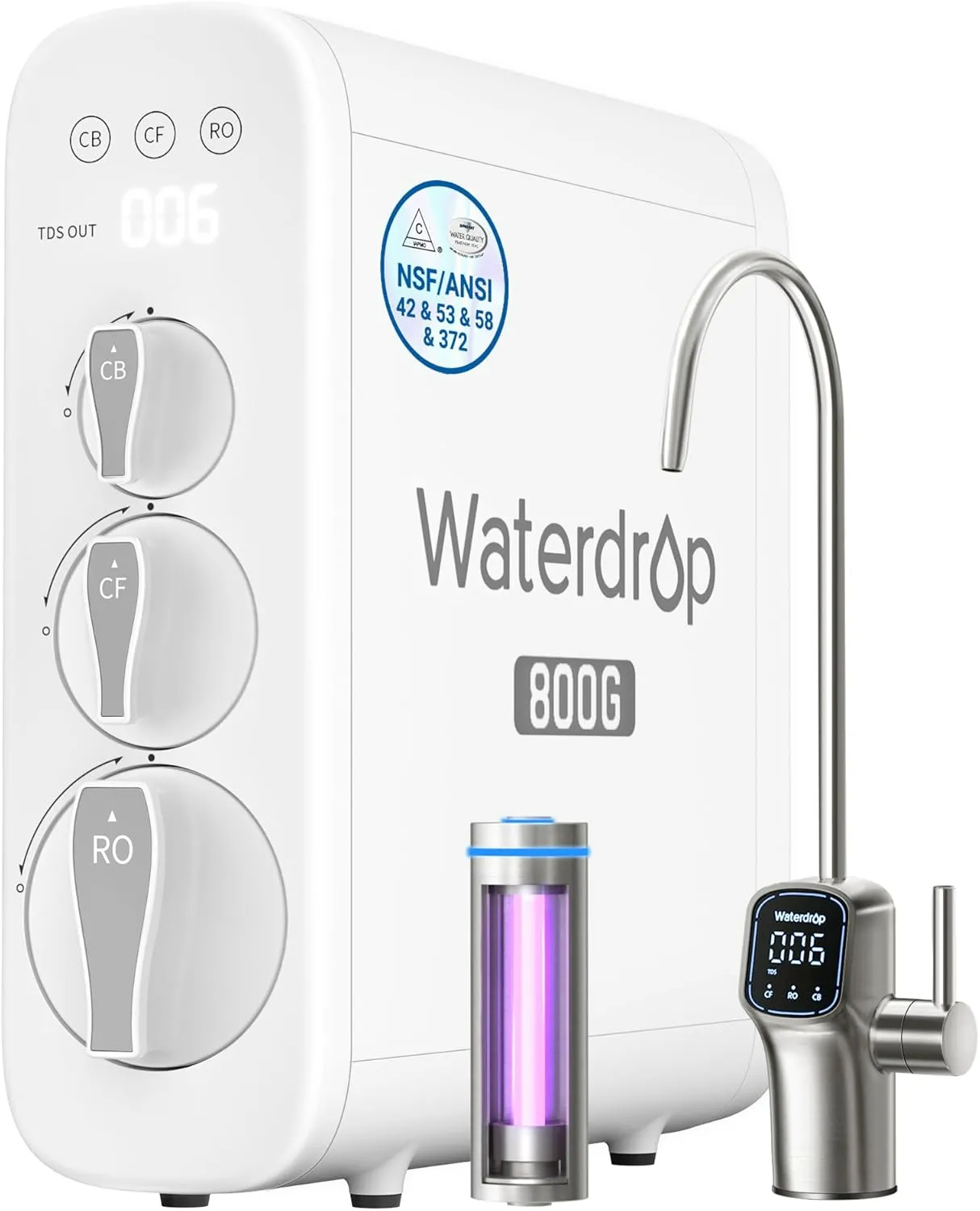
This sleek, tankless RO system has become a favorite. It delivers high flow (800 GPD) with an efficient 3:1 pure-to-drain ratio, meaning significantly less waste than traditional systems. The smart faucet display tells you exactly when to replace filters, and its compact design fits under most sinks or in utility closets.
Healthy Home Upgrade Review:
A sleek, high-performance RO system designed for modern homes, combining smart features with fast, efficient filtration.
Why it’s a good choice
The Waterdrop G3P800 stands out with its tankless design, high 800 GPD capacity, and strong NSF certifications (42, 53, 58, 372). It delivers clean water quickly while minimizing waste with a 3:1 pure-to-drain ratio. The smart faucet display adds convenience by showing TDS levels and filter life, making it ideal for households that want both performance and a modern, minimalist setup.
Pros
- High flow rate (800 GPD) for fast water access
- NSF-certified for multiple contaminant reductions
- Tankless, space-saving design
- Smart faucet with TDS and filter monitoring
- Efficient water usage compared to traditional RO
Cons
- Higher upfront cost
- Requires installation and maintenance
- Best suited for under-sink use, not full whole-house coverage
2. iSpring RCC7AK
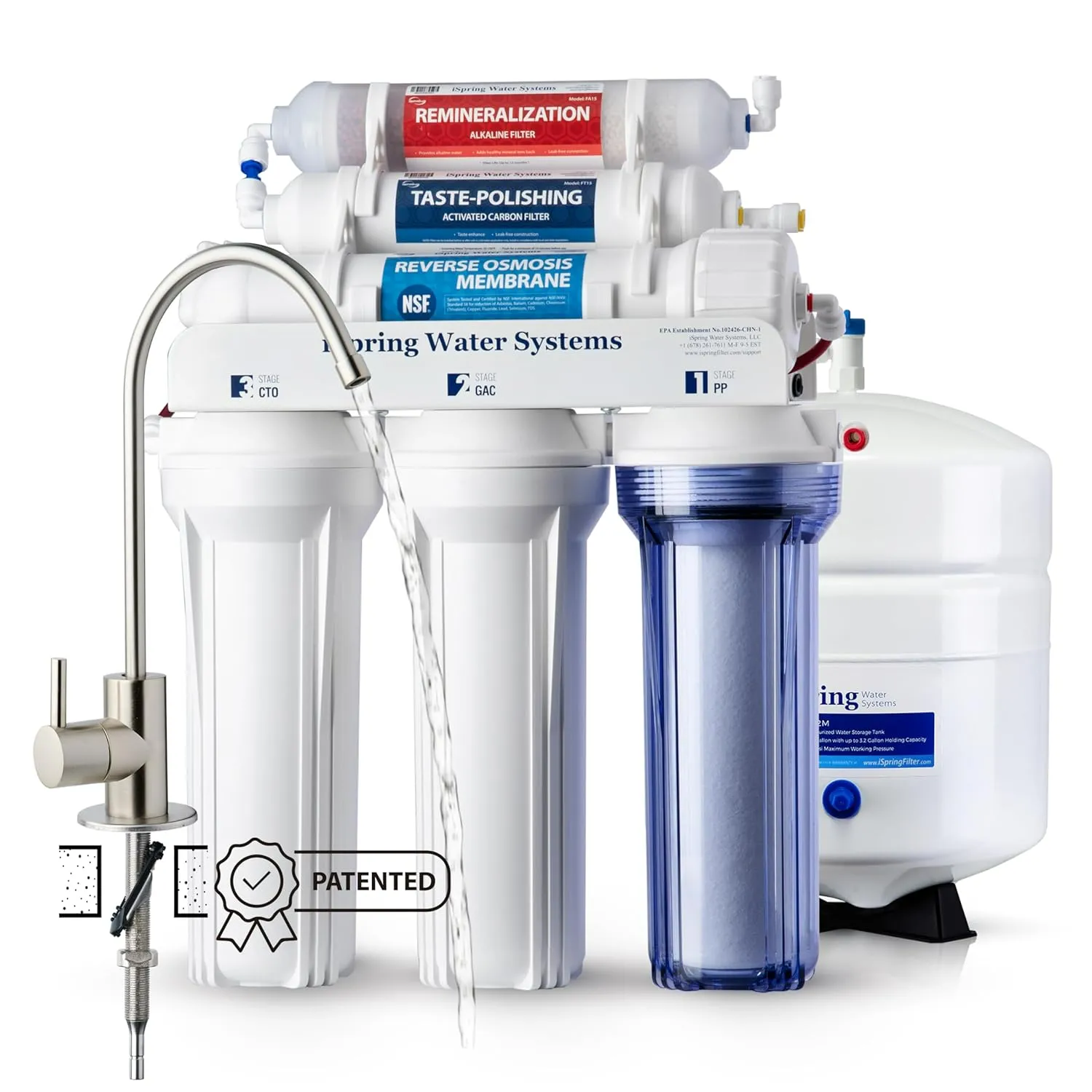
A classic favorite for good reason. The iSpring RCC7AK combines six filtration stages, including remineralization, to restore natural flavor and balance pH.
It’s ideal for families who want pure water without a “flat” taste.
Healthy Home Upgrade Review:
A well-balanced RO system that combines solid filtration with improved taste through remineralization.
Why it’s a good choice
The iSpring RCC7AK features a 6-stage filtration system with NSF/ANSI 58 certification and an alkaline remineralization stage. This helps restore essential minerals like calcium and magnesium, improving taste while maintaining effective purification. It’s a great option for households that want clean water without the flat taste often associated with RO systems.
Pros
- NSF-certified RO filtration
- Remineralization stage improves taste and pH
- Good balance of price and performance
- Reliable multi-stage filtration
- Suitable for daily drinking water needs
Cons
- Slower flow compared to tankless systems
- Requires tank storage
- Installation can be more involved
- Not a full whole-house solution
3. Home Master TMHP Hydro Perfection
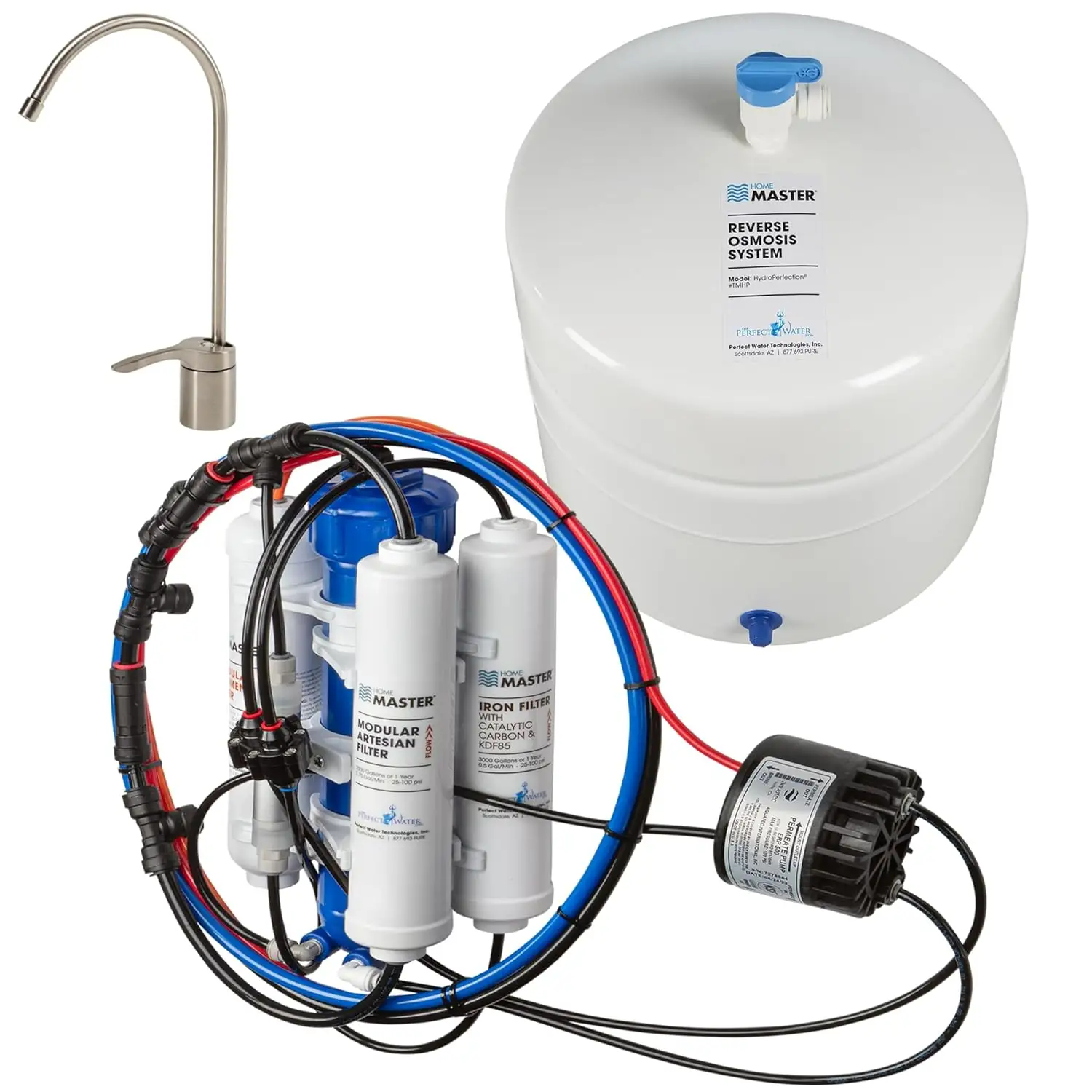
If your home uses well water, this is your hero system. It includes UV sterilization to kill bacteria, multiple carbon filters to handle iron and sulfur, and a remineralization stage to bring taste back to life. It’s powerful enough for heavy use and well-tested for rural conditions.
Healthy Home Upgrade Review:
A powerful, multi-stage RO system designed for homes dealing with complex water issues, especially well water.
Why it’s a good choice
The Home Master TMHP HydroPerfection is built for more demanding conditions, featuring UV sterilization, advanced carbon filtration, and remineralization. It’s especially effective for well water with high contamination, including bacteria, iron, and sulfur concerns, making it a strong choice for rural households.
Pros
- UV sterilization for added protection
- Designed for well water and high contamination
- Multi-stage filtration with remineralization
- Improves taste and safety
- Durable and high-performance system
Cons
- Higher cost and more complex setup
- Requires electricity for UV stage
- Regular maintenance needed
- Not ideal for simple city water needs
4. Express Water 10-Stage RO System
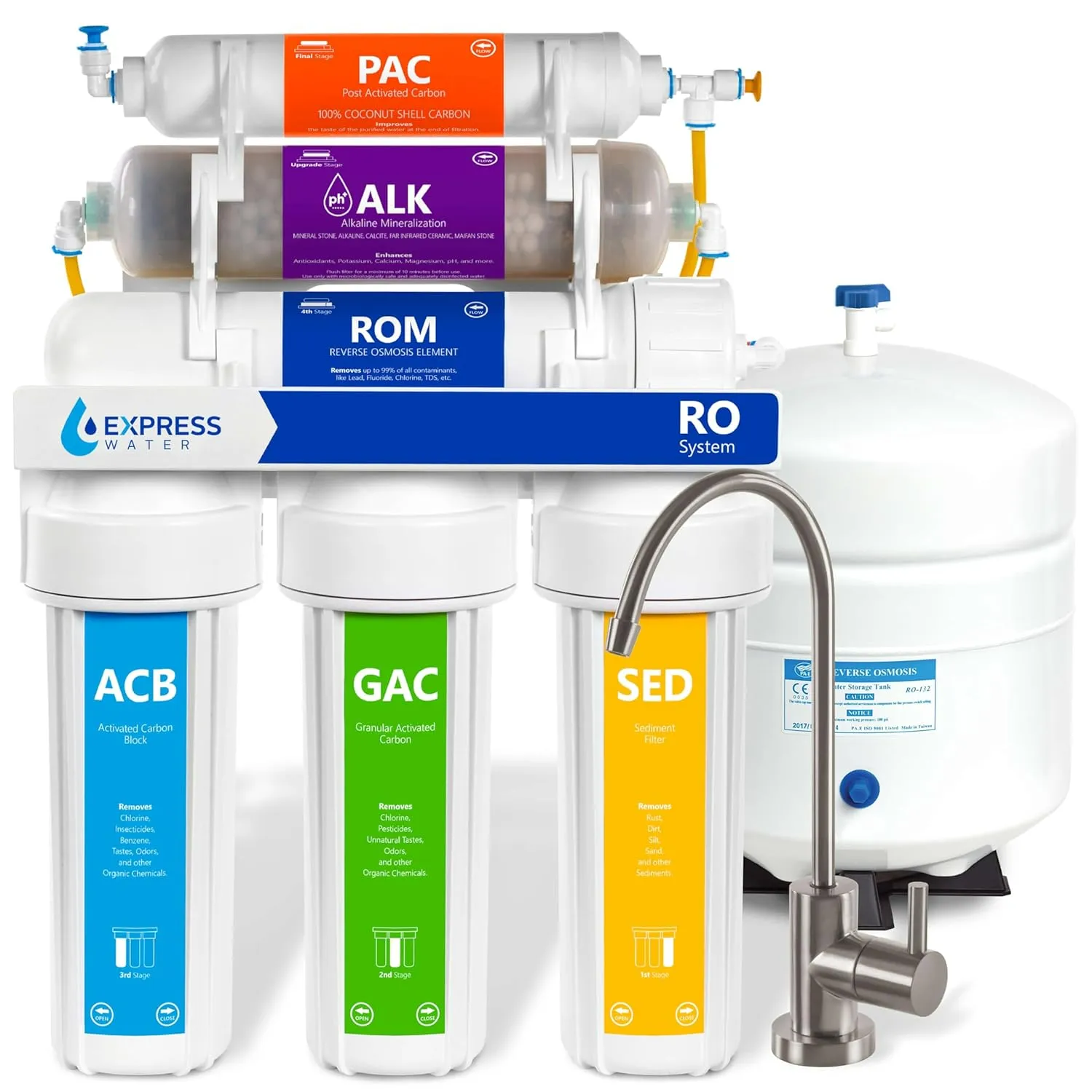
When you need to keep up with busy kitchens and multiple bathrooms, this system’s 10-stage setup and strong flow rate make it a dependable choice.
It includes sediment, carbon, alkaline, and post-filtration for optimal purity and flavor.
Healthy Home Upgrade Review:
A robust, multi-stage RO system built for heavy daily use, offering strong filtration and great value.
Why it’s a good choice
The Express Water 10-stage system provides comprehensive filtration with multiple carbon stages, sediment filters, and alkaline/post-filters. It’s designed to handle higher water demand, making it ideal for larger households that need consistent access to clean, great-tasting water.
Pros
- 10-stage filtration for thorough purification
- Handles higher water demand
- Includes alkaline and post-filters
- Good value for large households
- Reliable performance
Cons
- Bulkier system with storage tank
- Slower output than tankless models
- Requires regular filter changes
- Not a whole-house RO system
5. Waterdrop X12
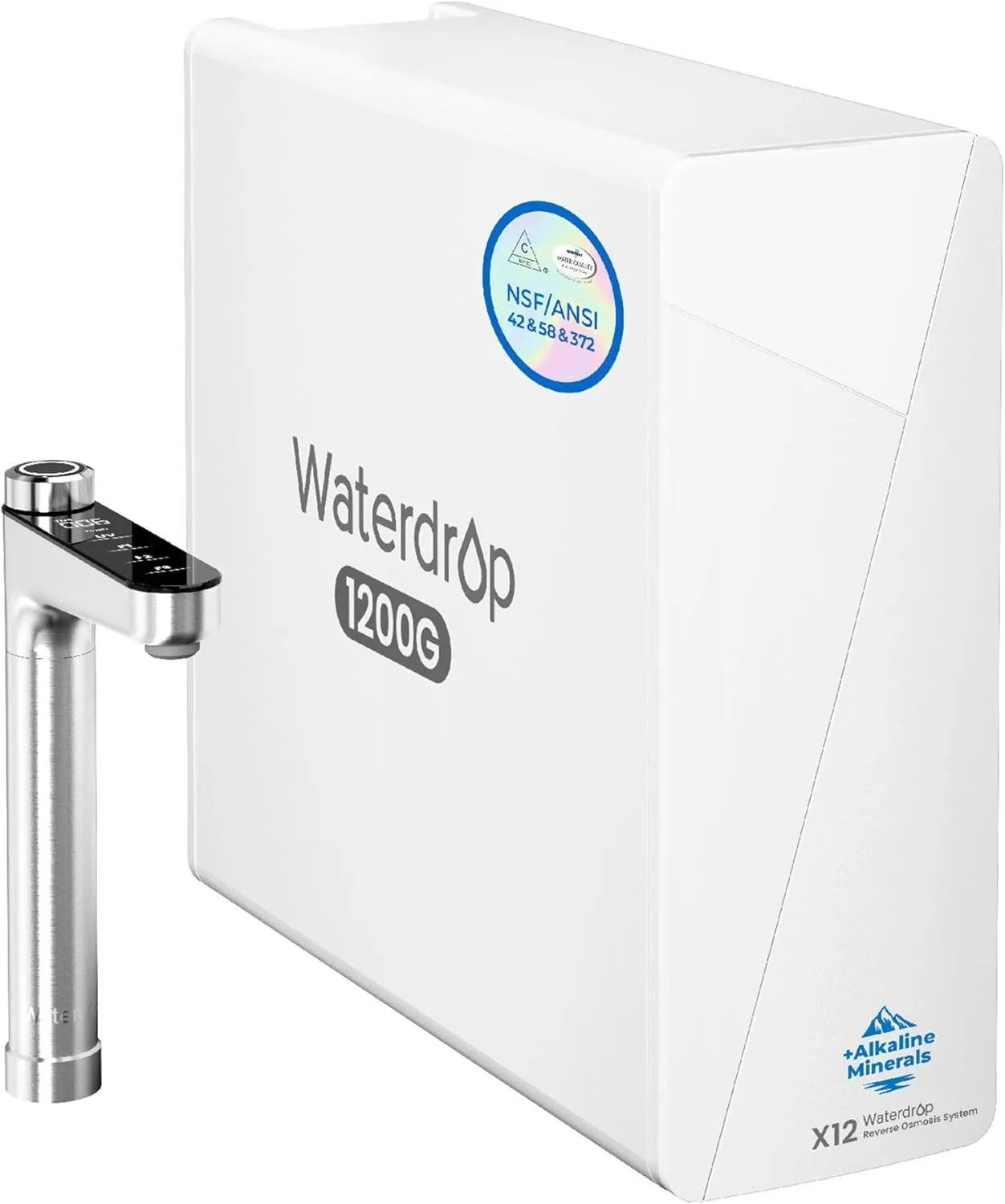
Not everyone has room for a full-size system — and that’s where the Waterdrop X12 shines.
It’s compact, quiet, and efficient, with app-based filter tracking.
Even in smaller apartments or condos, you’ll get high-quality water without losing counter space.
Healthy Home Upgrade Review:
A compact, smart RO system designed for small spaces, offering premium filtration without taking up much room.
Why it’s a good choice
The Waterdrop X12 is ideal for apartments and condos, with a space-saving design and app-based filter tracking. It delivers efficient RO filtration while maintaining a quiet operation, making it perfect for users who want advanced water purification in a smaller kitchen setup.
Pros
- Compact and space-saving
- Smart app for filter tracking
- Quiet operation
- Efficient filtration performance
- Ideal for apartments and small homes
Cons
- Not suitable for large households
- Higher price for compact design
- Limited flow compared to larger systems
- Requires installation
Whole house RO vs other options
Before committing, compare:
- Whole‑house RO – maximum purity and control, but higher cost, complexity, waste and maintenance; best for tough wells or extreme contamination.
- Whole‑house carbon + softener – excellent for chlorine, taste and hardness; simpler, more efficient and usually enough for municipal water; see Best Whole House Water Filter Systems 2026.
- Under‑sink or under‑counter RO – focused RO for drinking and cooking water with smart RO units like Waterdrop G3P800 or similar; see your Best Under-Sink Water Filter guide.
- Gravity filters (e.g., Berkey) – off‑grid or backup systems that complement but don’t replace whole‑home treatment; see Berkey Water Filter Review.
Often, the “best reverse osmosis system for whole house” is actually a mixed strategy: robust whole‑house carbon + targeted RO at key taps.
Which System Fits Your Home?
If you’re unsure which type of RO setup makes sense for your space, use this as a quick reference:
-
Apartments: compact or under-sink systems (Waterdrop X12)
-
Single-family homes: standard 5–6 stage whole-house systems (iSpring RCC7AK)
-
Large households: high-flow multi-stage systems (Express Water 10-Stage)
-
Well water / rural homes: UV + remineralization systems (Home Master TMHP)
-
Smart homes: efficient tankless systems (Waterdrop G3P800)
Once you’ve matched your home type, you can fine-tune the extras — remineralization, UV, or smart sensors — based on your preferences.
Maintenance, lifespan & realistic expectations
Reverse osmosis systems reward attention, not obsession.
- Build a simple maintenance schedule (pre‑filters, membranes, UV lamps) and keep it where you store replacement cartridges.
- Consider annual professional check‑ups for larger systems (flow tests, pressure checks, membrane performance tests).
- Plan for a system lifespan of 10–15 years with sensible upgrades along the way (pumps, controls, sometimes membranes).
If you are uncertain which system shape fits your home best, your companion article How To Choose The Right Whole House Reverse Osmosis System For Your Home walks through apartment vs house vs well‑water scenarios in more detail.
Pros and Cons (Honest Overview)
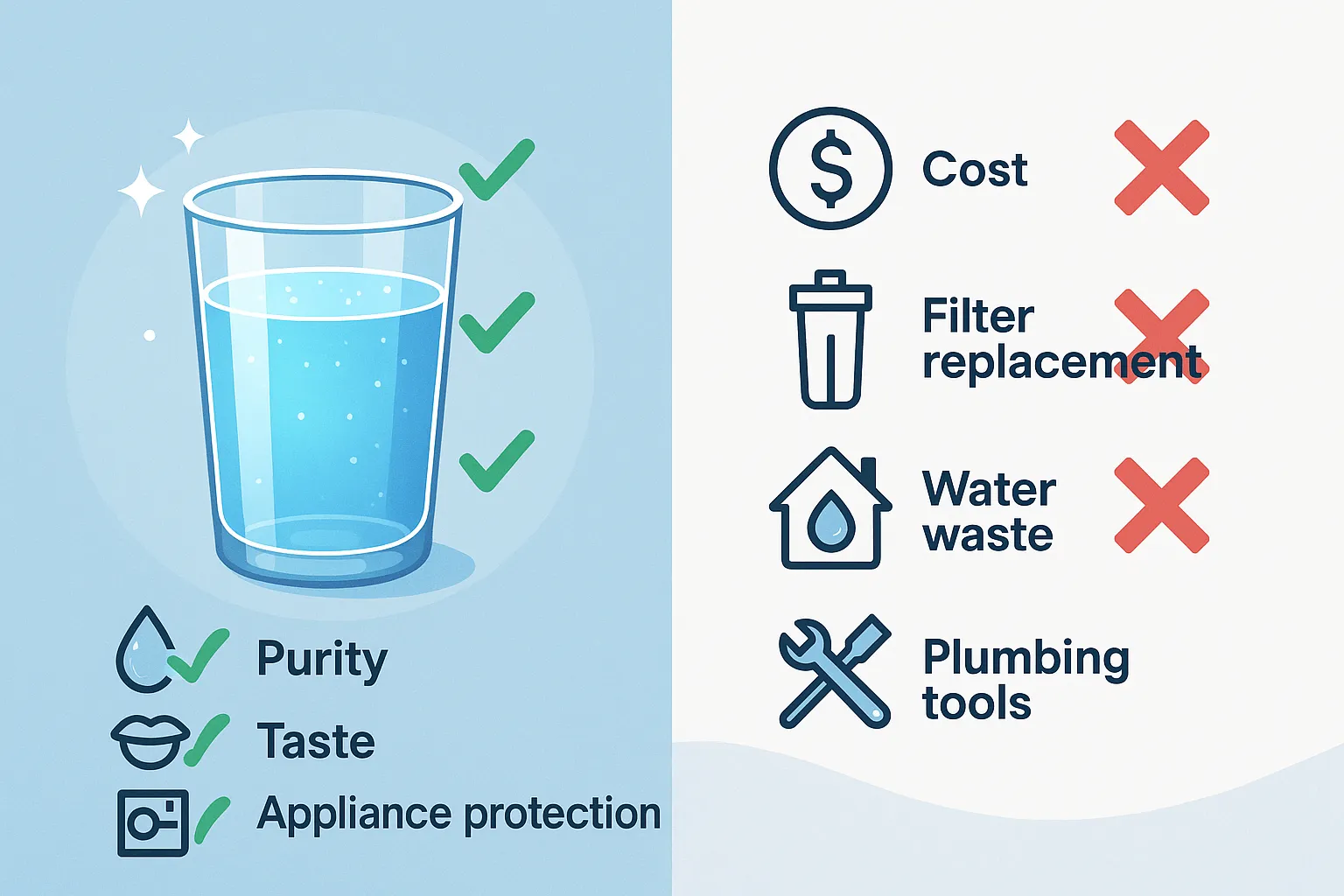
Pros
✔ Exceptional purity — removes over 99% of contaminants
✔ Cleaner taste and odor-free water
✔ Protects appliances and plumbing from scale
✔ Can supply every tap in your home
Cons
✖ Higher upfront cost
✖ Requires regular filter changes
✖ Some water waste (less with new models)
✖ Installation usually needs a plumber
If you rent, move frequently, or have relatively clean municipal water, a whole‑house RO system is often overkill; start with a strong whole‑house carbon system plus an under‑sink RO instead.
What Whole House Reverse Osmosis Cannot Do
Whole house RO is a powerful technology but it is worth being honest about its limitations before you commit.
It strips out almost everything, including beneficial minerals. Without a remineralization stage, the water can be corrosive to plumbing and taste flat. That is why remineralization is not optional in a well designed whole house RO system.
It produces reject water as part of the process. Older systems waste significantly more than they purify. Even newer efficient systems still produce reject water, and in drought prone areas or homes with high usage, that adds up.
It is complex to install and maintain correctly. Sizing errors, inadequate pre-treatment, and skipped maintenance cycles are the most common reasons whole house RO systems underperform. This is not a DIY project for most homes.
It also cannot compensate for damaged or corroded plumbing inside the home. If the pipes are the problem, the filter is treating symptoms rather than causes.
My Final Recommendation
For homes with serious whole home water problems like high TDS well water, nitrates, arsenic or significant contamination that carbon cannot handle, a properly designed whole house RO system with pre-treatment and remineralization can be a genuinely worthwhile investment.
For most city water households, I would recommend starting with a whole house carbon filter and a dedicated under sink RO at the kitchen tap. That combination handles the vast majority of concerns at a fraction of the cost and complexity.
Whatever you choose, test your water first. That single step will tell you exactly which system makes sense and save you from buying more than you actually need.
Final Thoughts – which path should you take next?
If your home sits on a challenging well or you have lab reports showing high TDS, nitrates or other persistent contaminants, whole‑house RO with proper pre‑treatment and remineralization can be a life‑changing upgrade—and my Ultimate Guide to Whole House RO walks through the engineering details step‑by‑step.
If you are on municipal water and mostly worried about chlorine, taste, lead and PFAS at the tap, you may get a better balance of purity, cost and sustainability by combining:
- a whole‑house carbon system (for showers, laundry and plumbing protection), and
- a smart under‑sink RO system at your main kitchen tap.
Whichever route you choose, pair it with the right lead‑removal filters, lower‑tox materials around plumbing, and good maintenance habits, and your water stops being a question mark and becomes one of the most reliable supports for your family’s health.
Sources
-
NSF International: Understanding Reverse Osmosis Water Treatment
-
Water Quality Association (WQA): Residential Water Treatment Systems
-
U.S. Environmental Protection Agency (EPA): Drinking Water Regulations
Follow us on social Facebook
Also know About:
Which Reverse Osmosis System Fits Your Home? From City Apartments To Country Houses
Is Reverse Osmosis Water Too Pure? What Science Really Says
How To Choose The Right Whole House Reverse Osmosis System For Your Home
The Ultimate Guide To Whole House Reverse Osmosis Systems: What You Need To Know

Anita is the founder and writer behind Healthy Home Upgrade, where she shares her passion for transforming living spaces into foundations for smart health and wellness. Driven by her personal health journey, her goal is to provide valuable, practical articles that empower readers to use technology and design to improve their quality of life.