Last Updated: August 2026
Best Sleep Tracking Ring in 2026: 5 Smart Rings Worth Your Money
If you’re trying to choose the best sleep tracking ring in 2026, you’re probably not looking for “more data.” You want feedback you can actually use—so you wake up with a clearer body, a calmer nervous system, and fewer mystery days where you feel tired “for no reason.”
I’ve personally used an Oura ring nightly for a long stretch, and the biggest value wasn’t a perfect sleep-stage chart—it was the way consistent trends exposed my real habits (late dinner, alcohol, stress, travel, temperature, caffeine timing). In this guide, I’ll share the five smartest ring picks for 2026—plus what to look for so you don’t waste money on a ring you stop wearing after two weeks.
My Honest Take as the Founder of Healthy Home Upgrade
I have worn an Oura Ring since Gen 3 came out, so this is not a category I write about from the outside. Sleep tracking is part of my daily life and has been for several years.
What I want to say clearly before you read the rest of this guide is that the ring itself is not the point. The point is what you do with the information. I have seen my own data shift meaningfully based on bedroom temperature, screen time, when I eat, and how much I move during the day. The ring did not fix any of that. It made the connection visible in a way that vague wellness intentions never could.
If you are considering your first sleep tracking ring, start with what you actually want to know. If you want guidance and clear recommendations from the app, Oura is still the best experience for most people. If you want to avoid a subscription, RingConn Gen 2 and Samsung Galaxy Ring are both solid options depending on your phone ecosystem.
Whatever you choose, wear it consistently for at least three to four weeks before drawing conclusions. One night of data means almost nothing. A month of patterns tells you something real.
What my long-term ring data taught me about sleep consistency
I used to think “8 hours is 8 hours.” Ring data made that belief impossible to maintain.
Two patterns stood out:
- Earlier dinner = faster recovery. When I stop eating a few hours before bed, I tend to see calmer nighttime trends (like lower resting heart rate earlier in the night and steadier recovery signals). The next day feels smoother—less caffeine craving, more stable energy.
- Late meals + alcohol are loud signals. Even a “small” late dinner (and especially wine) often shows up as a body that stays busy at night—higher heart rate for longer, more broken sleep, and a morning that feels deceptively “fine” but slightly off.
That’s the real benefit: a ring turns vague wellness intentions into clear cause-and-effect.
Sleep Tracking Ring (Best Picks)
- Best overall sleep and recovery ring: Oura Ring 4 (with Gen 3 as a budget alternative) — the most polished “sleep + recovery + lifestyle” ecosystem, combining strong overnight HRV, temperature and readiness insights with an app that actually tells you what to do next, ideal if you’re comfortable paying for an ongoing insights membership.
- Best subscription‑free ring for Samsung users: Samsung Galaxy Ring — a no‑subscription smart ring that plugs directly into Samsung Health, giving you sleep, energy and heart metrics in an interface that feels native if you already live in the Galaxy ecosystem.
- Best value ring with no monthly fees: RingConn Gen 2— a long‑battery‑life, subscription‑free ring that focuses on practical sleep, recovery and breathing metrics, making it a strong choice if you want solid insights without another recurring payment.
- Best performance‑analytics ring: Ultrahuman Ring Air — a data‑dense, subscription‑free ring aimed at athletes and biohackers who want to understand how factors like food timing, training load and late‑night light are changing their sleep and recovery.
- Best vibration‑alarm ring for gentle wake‑ups: RingConn Gen 2 Air Ultra-Thin Smart Ring — an ultra-thin, lightweight smart ring that tracks sleep, recovery, activity, heart rate, HRV, blood oxygen and stress without requiring a monthly subscription.
At a Glance
| Ring | Ongoing fee | Battery life | Works best with | Why it stands out | Best for |
|---|---|---|---|---|---|
| Oura Ring 4 | Yes | ~7 days | iOS + Android | Best insights & trend guidance | Most people who want actionable guidance |
| Samsung Galaxy Ring | No | ~7 days | Samsung phones | Deep Samsung Health integration | Samsung ecosystem users |
| RingConn Gen 2 | No | ~10–12 days | iOS + Android | Long battery + no subscription | Value-focused buyers |
| Ultrahuman Ring Air | No | ~4–6 days | iOS + Android | Performance-style analytics | Data-driven users & athletes |
| RingConn Gen 2 Air Ultra-Thin Smart Ring | No | ~10–12 days | iOS + Android | The RingConn app on compatible iOS and Android devices. | Users who want comfortable sleep and wellness tracking without paying an ongoing membership fee. |
Editor’s Pick (the one most people should start with)
If you want one ring that’s easiest to live with day after day, Oura Ring 4 is the best “default choice”—especially if you value comfort, app clarity, and guidance that turns trends into decisions.
How we chose these 5 rings
This is a curated shortlist, not an “everything that exists” roundup.
I prioritized:
- Sleep usefulness (not just sensor lists): trends you can act on
- Comfort for overnight wear (shape, sensor feel, sizing reality)
- App quality and long-term support
- Subscription vs one-time purchase value
- Ecosystem fit (iPhone/Android/Samsung Health)
- Realistic availability for readers across regions
Important: I have personal long-term experience with Oura. For the other rings, recommendations are based on manufacturer documentation, widely reported user patterns in reputable reviews, and feature/value comparisons.
Typical Price Range for Sleep Tracking Rings
In 2026, most sleep tracking rings fall into a mid-to-premium price range, depending on brand, materials, and ecosystem:
-
Entry to mid-range: often offers strong core sleep tracking with no subscription
-
Premium-tier rings: usually pair refined hardware with advanced insights and ongoing software updates, sometimes requiring a membership
When comparing prices, factor in:
-
Subscription costs over 1–2 years
-
Battery longevity (fewer charges = better adherence)
-
App quality and long-term support
A slightly higher upfront cost can be worth it if the ring actually changes your daily habits—otherwise, even a “cheap” ring becomes expensive if you stop wearing it.
How Accurate Are Sleep Tracking Rings?
Sleep tracking rings are not medical devices, but they can be highly useful for identifying patterns—especially when worn consistently.
Most rings estimate sleep using a combination of:
-
Heart rate and heart rate variability (HRV)
-
Motion and micro-movements
-
Skin temperature trends
-
Breathing rate and SpO₂ (on supported models)
Compared to clinical sleep studies (polysomnography), rings are less precise at labeling exact sleep stages, but they perform well for:
-
Sleep duration and timing
-
Recovery trends
-
Night-to-night consistency
-
Detecting changes related to stress, alcohol, illness, or late meals
Bottom line:
Use sleep rings for trend awareness and habit feedback, not for diagnosing sleep disorders. When interpreted over weeks—not nights—they are accurate enough to guide meaningful lifestyle improvements.
1) Oura Ring 4 (and Oura Ring Gen 3 as a cheaper alternative)
Check Oura Ring 4 price on Amazon
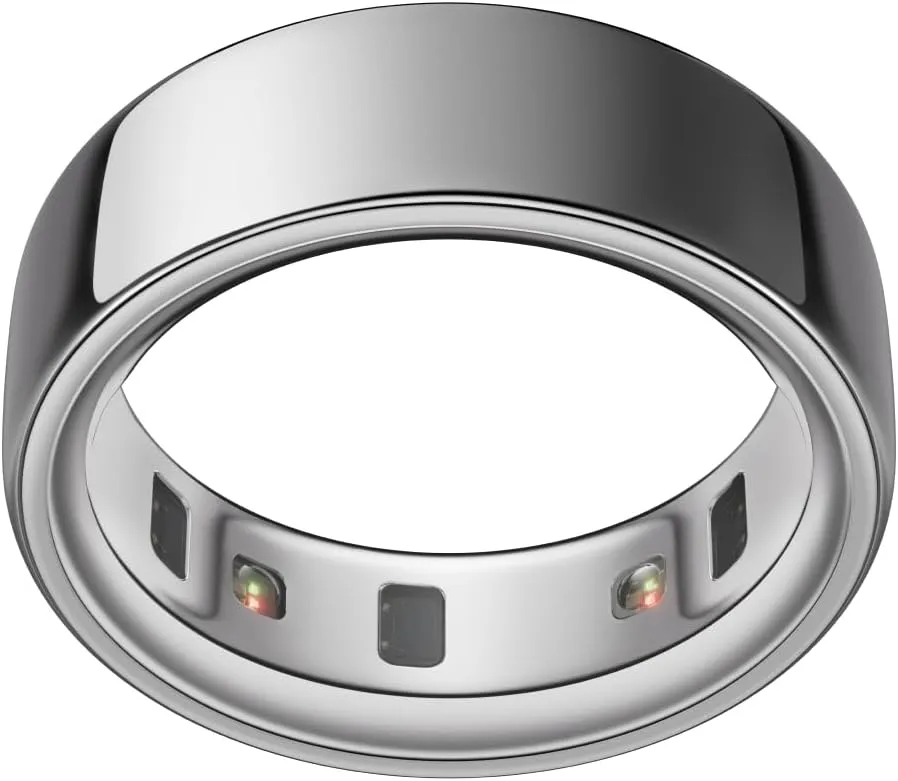
Oura remains the benchmark for the “sleep + recovery + lifestyle” ring category in 2026—mainly because the ecosystem is engineered to guide human behavior, not just display raw data. It combines polished heart rate variability (HRV), overnight temperature shifts, and readiness insights into a highly intuitive interface. While it requires an ongoing membership to unlock its full analytical depth, it delivers a refined, comfortable experience that excels at turning long-term trends into actionable daily decisions.
- What I like: The companion app is exceptionally clean, motivating, and genuinely actionable for lifestyle adjustments.
- What to know: Access to your long-term health insights tier requires an active ongoing monthly subscription.
Who it’s best for
You want the most refined overall experience and you’re okay paying for the insights layer.
Looking to save on Oura? Grab the latest Oura Ring coupon code and real deals
2) Samsung Galaxy Ring
Check Samsung Galaxy Ring price on Amazon
If you’re a Samsung phone user, this ring can be a very logical buy: no subscription for core features, and the Samsung Health ecosystem makes it feel “native.”
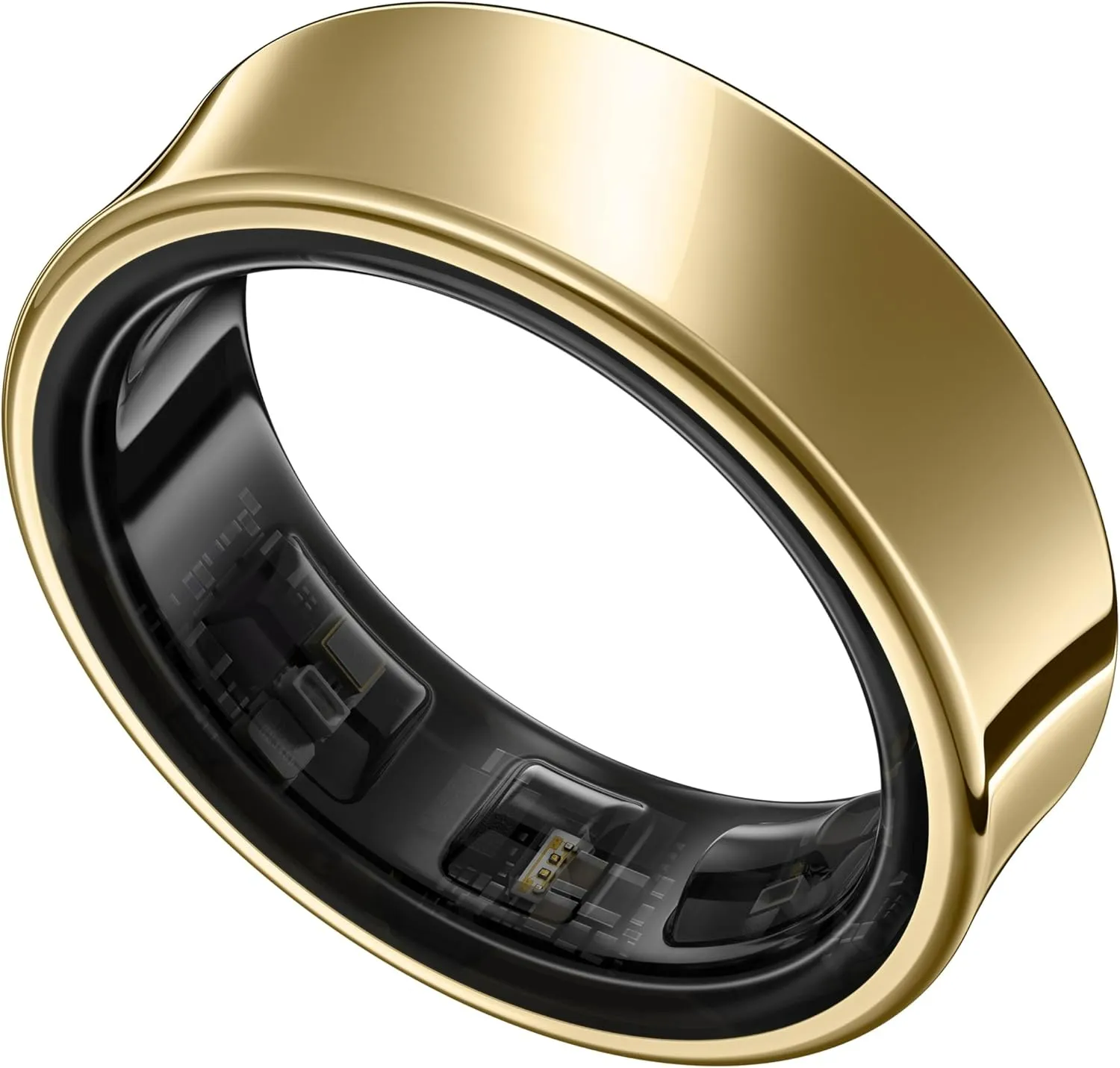
If you are a Samsung phone user, this ring is a highly logical addition to your daily routine. It eliminates the friction of ongoing monthly fees by integrating natively with the Samsung Health ecosystem right out of the box. The hardware tracks your sleep duration, energy scores, and vital heart metrics quietly in the background, feeding them directly into an interface that will feel instantly familiar if you already live within the Galaxy ecosystem.
- What I like: Completely subscription-free core health tracking with deep, native integration into Samsung Health.
- What to know: The ideal user experience is tightly tied to newer Samsung smartphones; certain advanced features may be restricted or unavailable on standard Android or iOS devices.
Who it’s best for
Samsung users who want a ring that “just fits” their existing setup.
Want a deep dive on Oura Ring 3? Read my full sleep and recovery review
3) RingConn Gen 2
Check RingConn Gen 2 price on Amazon
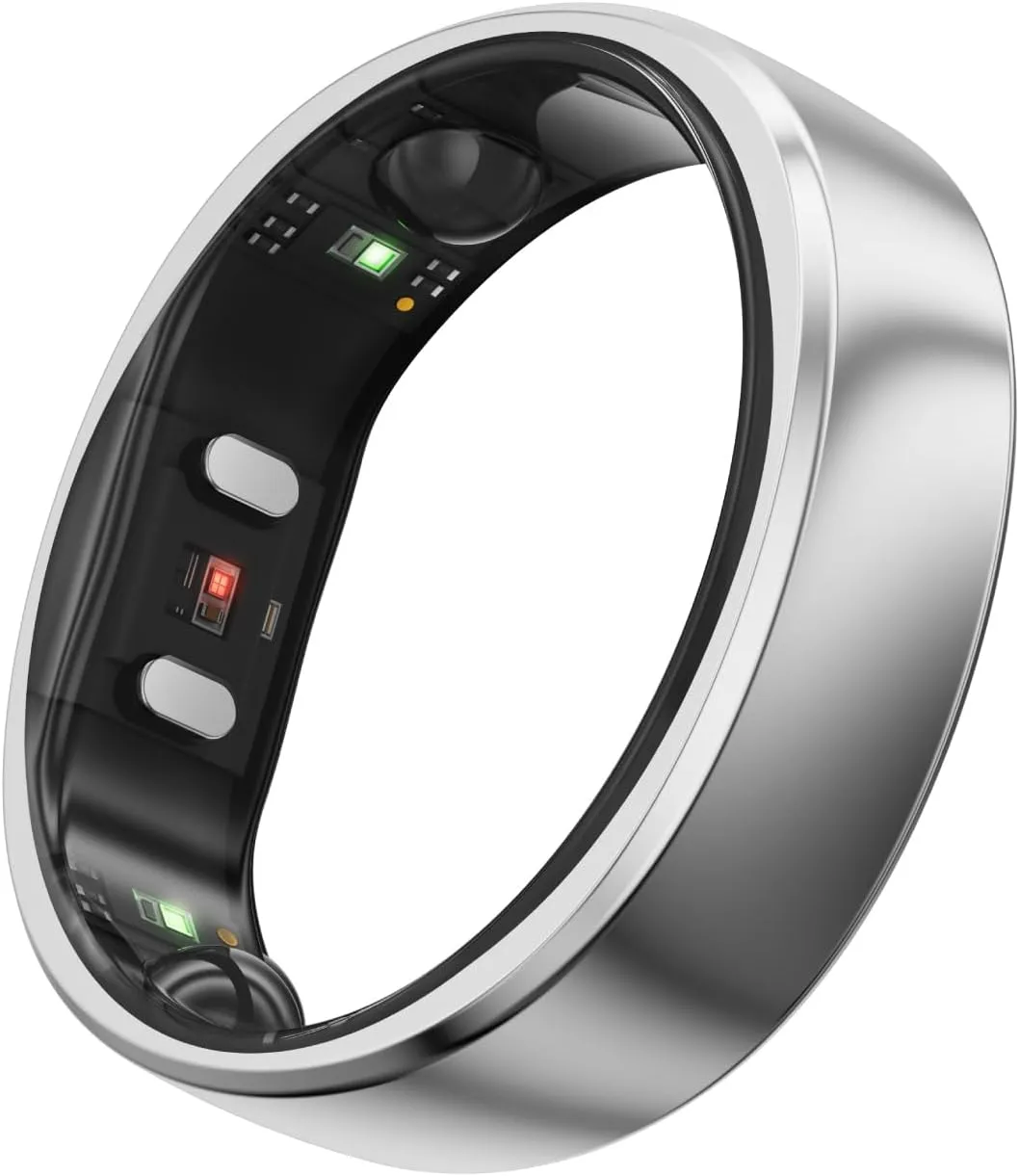
The RingConn Gen 2 represents one of the strongest subscription-free value plays in the smart ring market, particularly if you want to avoid recurring monthly bills without sacrificing tracking depth. It stands out for its exceptional engineering, offering an industry-leading battery life that stretches well past a week on a single charge. The companion app delivers highly practical sleep staging, overall recovery insights, and breathing metrics without gating your data behind a paywall.
- What I like: A true zero-fee ownership model paired with an outstanding 10-to-12-day battery performance.
- What to know: Global availability can occasionally shift due to the fast-moving legal and patent landscape surrounding smart ring technology; always check your local regional distribution before ordering.
Who it’s best for
Anyone who wants strong sleep tracking without paying monthly.
4) Ultrahuman Ring Air
Ultrahuman aims at the performance crowd—people who treat sleep as a system: light, caffeine timing, food timing, temperature, training load.
The Ultrahuman Ring Air is explicitly engineered for the performance crowd—athletes, fitness enthusiasts, and data-driven biohackers who view sleep as a controllable system. The app bypasses generic scores to focus heavily on correlation metrics, helping you pinpoint exactly how late-night light exposure, heavy training loads, caffeine timing, and evening meals alter your recovery and heart rate variability (HRV) patterns.
- What I like: Data-dense, comprehensive analytics dashboard with zero ongoing subscription requirements.
- What to know: International stock and distribution channels can face localized pauses or inventory constraints based on ongoing regional trade rulings, especially for buyers in the United States.
Who it’s best for
Biohackers and athletes who want a subscription-free ring and are comfortable learning a more data-dense app.
Discover the future of health tracking with the Ultrahuman Ring AIR!
5) RingConn Gen 2 Air Ultra-Thin Smart Ring
Check RingConn Gen 2 Air Ultra-Thin Smart Ring price on Amazon
The RingConn Gen 2 Air is an ultra-thin smart ring designed for comfortable, continuous health and sleep monitoring. Its slim, lightweight construction makes it especially suitable for overnight wear, including for people who find bulkier smart rings uncomfortable while sleeping.
The ring tracks key wellness metrics such as sleep stages, heart rate, heart-rate variability, blood oxygen levels, stress, activity and recovery. These insights are presented through the RingConn app, helping users identify patterns in their sleep quality and daily habits.
One of its biggest advantages is its subscription-free experience. Users can access their health and sleep data without paying an ongoing membership fee, making it a practical alternative to smart rings that require monthly subscriptions. Its long battery life also reduces the need for frequent charging, supporting more consistent overnight tracking.
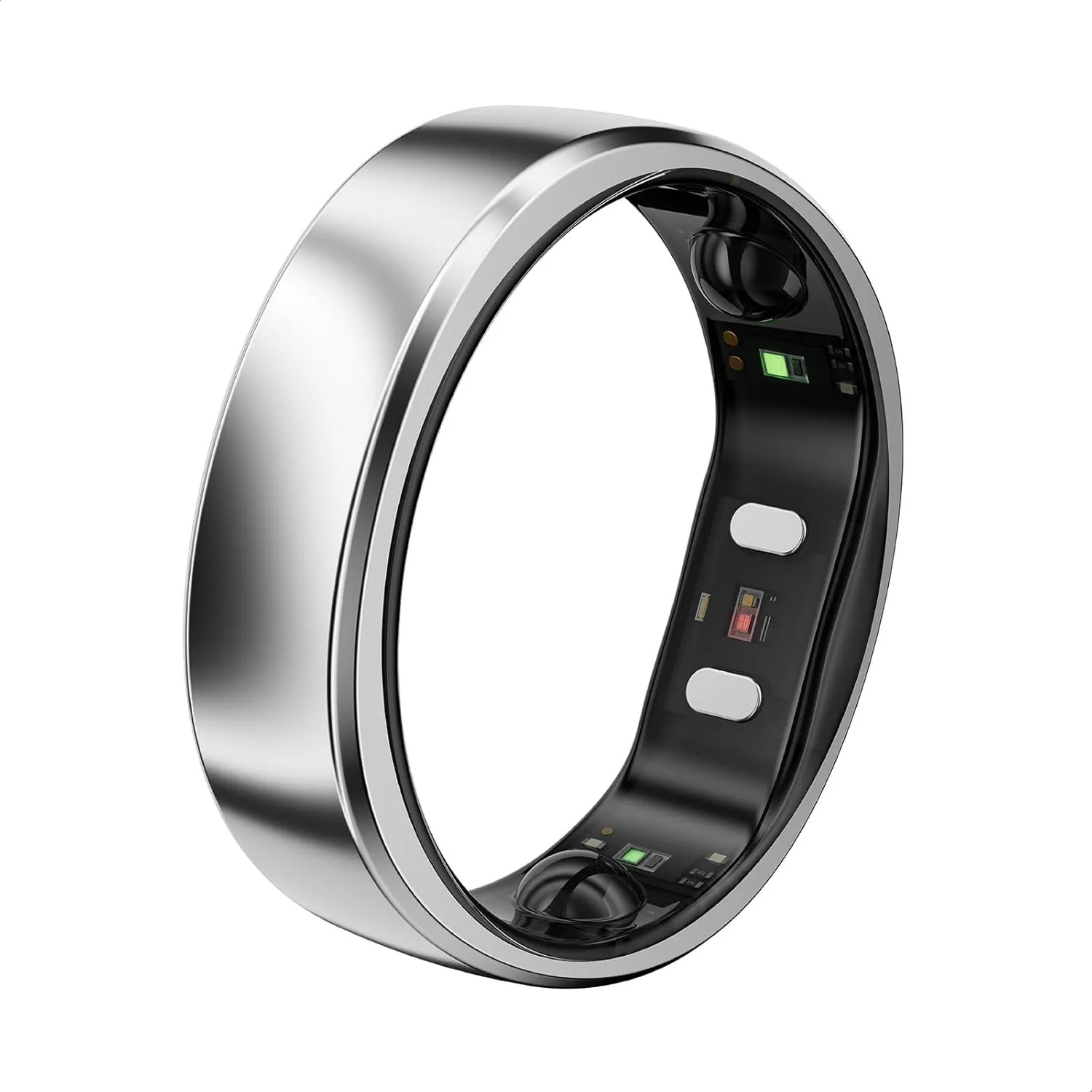
- What I like: It is comfortable enough for overnight wear, offers long battery life and provides detailed sleep and wellness insights without ongoing membership fees.
- What to know: It has fewer advanced features than the premium RingConn Gen 2, and choosing the correct ring size is essential for comfort and accurate tracking.
Who it’s best for
Sleep-focused users who want a lightweight, subscription-free smart ring for everyday health and recovery tracking.
Not sure which sleep tracker is best? Compare Oura vs WHOOP vs Fitbit side by side
Best Sleep Tracking Ring: How to Choose in 2026
1) Decide on subscription vs one-time purchase
A subscription can be worth it if the app genuinely changes your decisions. If you hate monthly fees, choose a ring that gives full access without one.
2) Prioritize comfort over specs
If a ring is even slightly annoying at night, you will stop wearing it—especially if your fingers swell or you sleep on your hands.
Tip: use the sizing kit if offered, and test for at least a full day and night.
A sleep ring is only as good as how you use it. Learn how to use smart sleep trackers for improved rest so the data actually translates into better nights—not just charts.
3) Know which sleep metrics actually matter
For most people, these are the most useful:
- Resting heart rate trends
- HRV trends (when available)
- Sleep duration + timing consistency
- Temperature trend changes
- Breathing/SpO₂ trends (useful as awareness, not diagnosis)
4) Use rings for trends, not medical certainty
Rings are wellness devices. They’re great at showing patterns—but they do not replace clinical testing.
Safety, materials, and everyday practicality
- Skin sensitivity: Titanium is often a good option for sensitive skin, but coatings and alloys vary. If you react to jewelry, research materials before buying.
- Cleaning: Clean the inner sensor area regularly, especially if you use hand creams or workout often.
- Swelling: If your fingers swell at night, consider a slightly different finger or size strategy.
If training and recovery matter most, read the WHOOP vs Oura guide for athletes
When to talk to a clinician
If you have persistent insomnia, loud snoring, gasping at night, witnessed breathing pauses, or strong daytime sleepiness that affects safety (driving/work), consider speaking with a clinician. A ring can help you notice patterns, but diagnosis and treatment require medical evaluation.
What Sleep Tracking Rings Cannot Do
A sleep tracking ring is a useful tool for pattern awareness but it is worth being clear about what it cannot do before you invest.
It cannot diagnose sleep disorders. If you have persistent insomnia, loud snoring, witnessed breathing pauses, or strong daytime sleepiness, a ring is not the right starting point. That requires clinical evaluation.
Sleep stages shown in the app are estimates, not laboratory measurements. The ring uses heart rate, movement and temperature to infer what stage of sleep you are in. It is useful for trends over weeks but individual nightly stage breakdowns should not be taken as precise fact.
HRV fluctuates naturally from day to day based on stress, illness, travel, hydration and many other factors. A single low HRV reading does not mean something is wrong. What matters is the trend over time.
Recovery scores are guidance, not instruction. If your ring says your recovery is low but you feel good, use your own judgment. The data informs decisions, it does not make them for you.
And wearing a ring alone will not improve your sleep. The ring shows you patterns. Acting on those patterns is what creates change. If you track your sleep for months without adjusting anything, the ring becomes expensive data you never use.
My Final Recommendation
For most people buying their first sleep tracking ring, Oura remains the safest overall recommendation in 2026. The app translates sleep and recovery data into practical daily guidance rather than overwhelming charts, and the long-term trend tracking is genuinely useful for understanding how your habits affect your sleep.
If avoiding a subscription matters most, RingConn Gen 2 offers the best combination of battery life, sleep tracking depth and value without monthly fees. Samsung Galaxy Ring is the better choice if you are already in the Samsung ecosystem and want seamless integration.
Ultrahuman Ring Air suits people who want performance-style analytics and are comfortable interpreting more detailed data themselves. Circular Ring Slim is the right choice if a silent vibrating alarm matters more than deep analytics.
The best ring is the one you actually keep wearing. Start there.
FAQs
Are sleep rings accurate?
They’re best thought of as pattern-spotters, not medical devices. They can be very useful for trends, and for many people they’re accurate enough to guide habit changes—especially around sleep timing, late meals, alcohol, stress, and travel. If you want to go deeper on nervous system regulation and sleep support, you can also pair your ring data with tools like Apollo Neuro.
Can a ring diagnose sleep apnea?
No. Some rings may flag breathing-related patterns or SpO₂ changes, but that is not the same as diagnosis. Use it as a prompt to investigate further if patterns are consistent.
Which ring is best if I hate subscriptions?
Samsung Galaxy Ring (for Samsung users), RingConn Gen 2, Ultrahuman Ring Air, and Circular Ring Slim are commonly positioned as subscription-free options for core features.
Do smart rings work with iPhone?
Most do. Always check whether the full feature set is available on iOS, and whether any advanced insights require a specific Android ecosystem.
What if I’m between sizes?
Use the sizing kit if available. A ring that is too loose will lose signal; too tight becomes annoying at night. Many people pick the finger that stays most consistent in size overnight.
Is an older Oura Ring still worth it?
Often yes—especially if discounted—provided you’re okay with the membership model and you mainly want sleep trends and recovery guidance.
Final verdict
The “best” ring is the one you’ll actually keep wearing. If you want the most refined daily guidance and you’re okay with an ongoing membership, Oura remains the safest bet. If you want subscription-free tracking, Samsung (for Samsung users), RingConn, Ultrahuman (where available), and Circular give strong value—each with a different personality.
If your main priority is improving sleep, the ring is only part of the equation. Your mattress, temperature regulation, and noise control matter just as much—see our guide to top smart mattresses for better sleep to build a sleep setup that actually supports recovery.
References
- American Academy of Sleep Medicine (sleep recommendations and sleep health basics)
- Oura (membership and product support information)
- Samsung (Galaxy Ring product information)
- RingConn (Gen 2 product information)
- Ultrahuman (Ring Air availability and purchase information)
- Reputable independent reviews (for comfort/app experience comparisons)