
How AI is Changing Asthma Management at Home
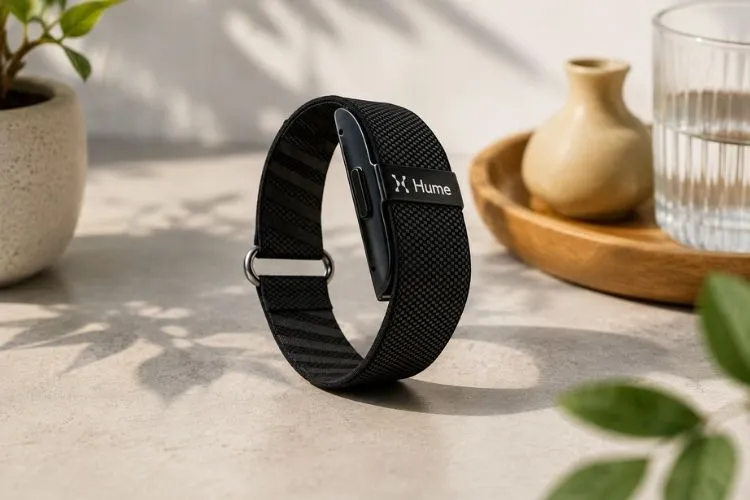
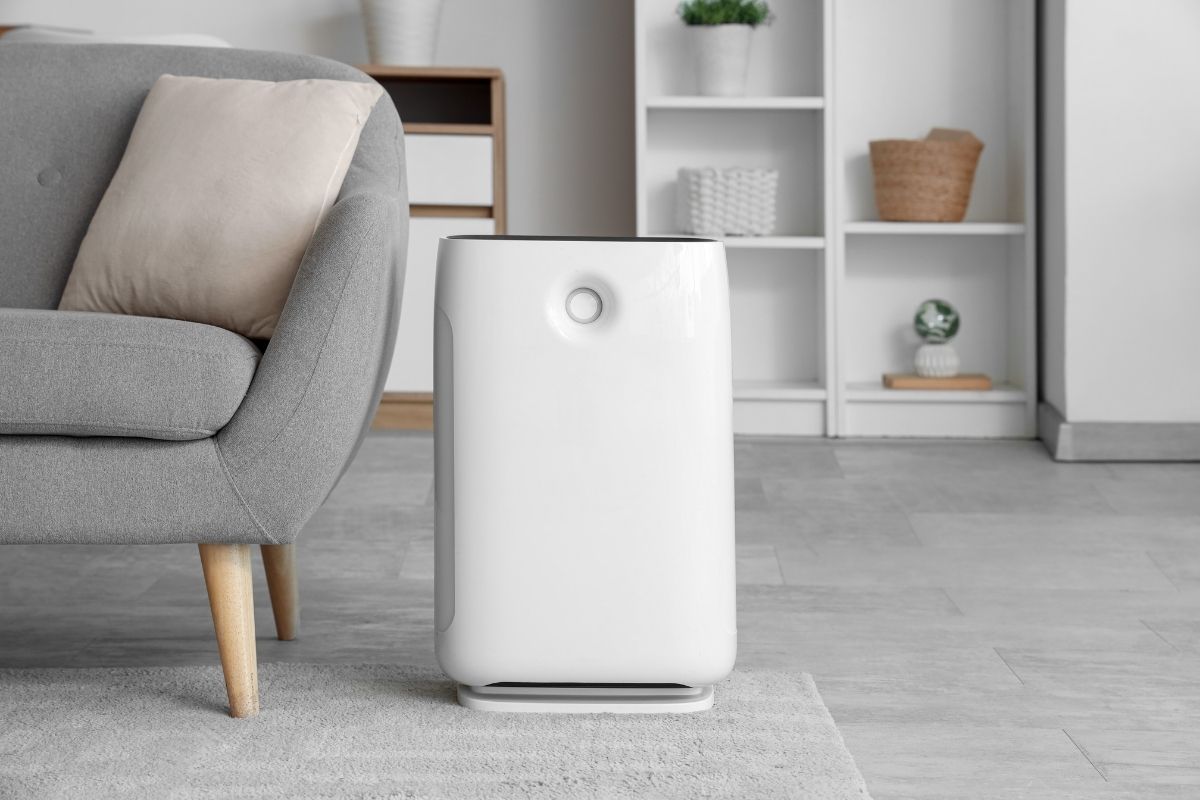
Asthma management has come a long way, thanks to advanced AI technology that helps improve indoor air quality for asthma sufferers. No longer is it about guessing when the air quality is poor; AI air purifiers learn from your home environment and help you breathe easier.
These smart air purifiers don’t just detect pollutants but offer real-time solutions. Picture an AI system that activates a smart air purifier when indoor air quality drops or sends a notification to open windows when pollen levels are low. This proactive approach helps keep asthma symptoms under control without you having to worry about the air quality.
Real-World Impact: AI Helping Asthma Sufferers
Real-life examples show how AI air quality management systems can significantly improve asthma care. Take Jake, a teen with asthma. His AI system alerts his family to open windows at the best times, cutting down his medication use and improving his indoor air quality by reducing indoor allergens. This technology makes a tangible difference in everyday life.
These systems not only react but also learn over time. AI air quality monitors get better at predicting when asthma triggers, like dust mites, pet dander, or mold, are likely to occur. The system adapts, ensuring the air in your home stays clean and asthma-friendly.
Benefits of AI in Air Quality Management
Integrating AI technology into your home provides peace of mind and fewer asthma flare-ups. Plus, it blends effortlessly into your lifestyle, offering proactive control over indoor air pollution. It’s like having a high-tech assistant always working to keep the air clean.
Indoor Air Quality Pollutants and Their Impact on Asthma
Indoor air isn’t always as clean as it seems. Pollutants like dust mites, mold, pet dander, and volatile organic compounds (VOCs) from products like paints and cleaning supplies can significantly impact asthma sufferers. These pollutants aggravate asthma symptoms, leading to increased medication use, poorer sleep, and more frequent hospital visits.
VOCs, in particular, are common in many household products and can trigger asthma attacks. A proactive approach, like investing in VOCs-free paints or removing dust traps like carpets, can significantly improve air quality and reduce asthma symptoms. Additionally, thorough ventilation while cleaning can help minimize pollutants and allergens in the air.
Managing Asthma Triggers with Advanced AI Technology
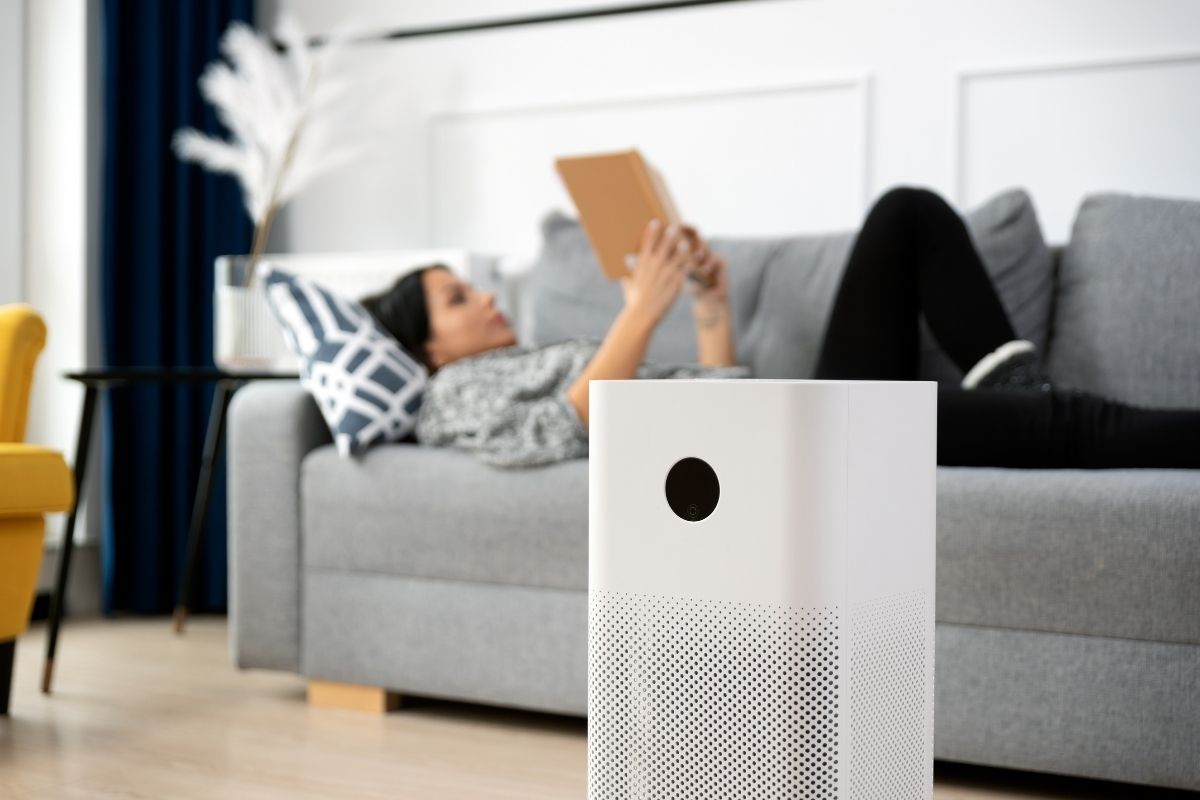
AI-based air purifiers can act as a first line of defense against asthma triggers. These devices use sensors to monitor air quality continuously, providing real-time feedback on pollutant levels. When allergens like pollen or dust mites spike, the system automatically adjusts the air quality, filtering out harmful particles before they even have a chance to affect you.
AI technology is particularly beneficial for managing asthma triggers proactively. It can adjust air quality without you having to think about it, keeping your home environment safe. Combining these tech solutions with simple lifestyle changes, like ventilating your home and using non-toxic cleaning products, makes managing asthma easier.
Lifestyle Adjustments to Improve Asthma Management
In addition to advanced tech, making lifestyle changes plays a crucial role in asthma care. Regularly using preventer medication and keeping up with doctor visits is essential for effective asthma management. Ventilation is another simple but powerful tool. Opening windows when outdoor pollution is low can refresh your home’s air, helping to remove trapped allergens and pollutants.
Opting for unscented cleaning products with low VOCs can also help create a healthier home environment. These products are less likely to irritate your airways compared to those with strong chemicals. Avoiding aerosol sprays and scented air fresheners, which release harmful particles into the air, is another step in maintaining an asthma-friendly home.
Integrating AI with Your Personal Asthma Care Plan
AI technology can also be customized to fit your unique asthma needs. If you are sensitive to dust or pollen, your AI system can be programmed to focus on these triggers, offering tailored air quality management. Combining AI technology with traditional asthma management practices, like regular medication and checkups, creates a well-rounded, proactive strategy for managing asthma.
As your lifestyle evolves—whether you’re traveling, renovating, or introducing new family members—AI systems adapt. They continuously learn from your environment, ensuring consistent protection against asthma triggers no matter how your home changes.
Follow us on social Facebook
Also know About:
Understanding The Impact Of Air Pollution On Health: What You Need To Know
How Air Quality Affects Mental Health: The Connection We Often Overlook