Beeswax Food Wraps Review: Pros, Cons, and Best Alternatives to Plastic Wrap
Plastic wrap is one of those kitchen products many of us use without thinking. A half avocado, a bowl of leftovers, a sandwich, a cut lemon, a piece of cheese — we pull, tear, cover, and throw it away.
Beeswax food wraps promise a better option: a reusable, plastic-light way to store food without relying on single-use cling film every day.
But are beeswax wraps actually worth it? Do they keep food fresh? Are they hygienic? And can they really replace plastic wrap in a busy kitchen?
This beeswax food wraps review looks at the real pros and cons, where they work, where they fail, how to clean them safely, what to know about ingredients like tree resin, and when glass containers, silicone bags, or stainless steel lunch boxes are the better choice.
Quick Answer: Are Beeswax Food Wraps Worth It?
Yes, beeswax food wraps can be worth it — but only for the right foods.
They are a good alternative to plastic wrap for sandwiches, bread, firm cheese, cut produce, snack bowls, and lunch prep. They can help reduce single-use plastic and make your kitchen feel less disposable.
But they are not a full replacement for plastic wrap. Beeswax wraps are not suitable for raw meat, raw fish, hot food, microwaves, dishwashers, soups, sauces, baby food storage, immune-sensitive food handling, or anything that needs a truly airtight or leakproof seal.
Food safety guidance also matters with leftovers: according to USDA FSIS leftover safety guidance, perishable cooked foods should generally be refrigerated within two hours, or within one hour if the surrounding temperature is above 90°F / 32°C.
My honest verdict: beeswax wraps are a useful plastic wrap alternative for everyday low-risk foods, but they work best as part of a bigger plastic-light storage system with glass containers, reusable silicone bags, and stainless steel lunch boxes.
At-a-Glance: Beeswax Wraps vs Other Plastic Wrap Alternatives
| Storage option | Best for | Avoid for | Cleaning level | My verdict |
| Beeswax wraps | Sandwiches, bread, firm cheese, cut produce, snack bowls | Raw meat, fish, hot food, wet leftovers, baby food, immune-sensitive storage | Hand wash only, cool water | Useful secondary swap |
| Glass containers | Leftovers, sauces, meal prep, reheating, fridge storage | Travel if heavy or breakable | Dishwasher-safe in most cases | Best first upgrade |
| Silicone bags | Snacks, freezer use, flexible storage, travel food | Very hot foods unless brand allows it | Usually easier to clean than wraps | Best flexible option |
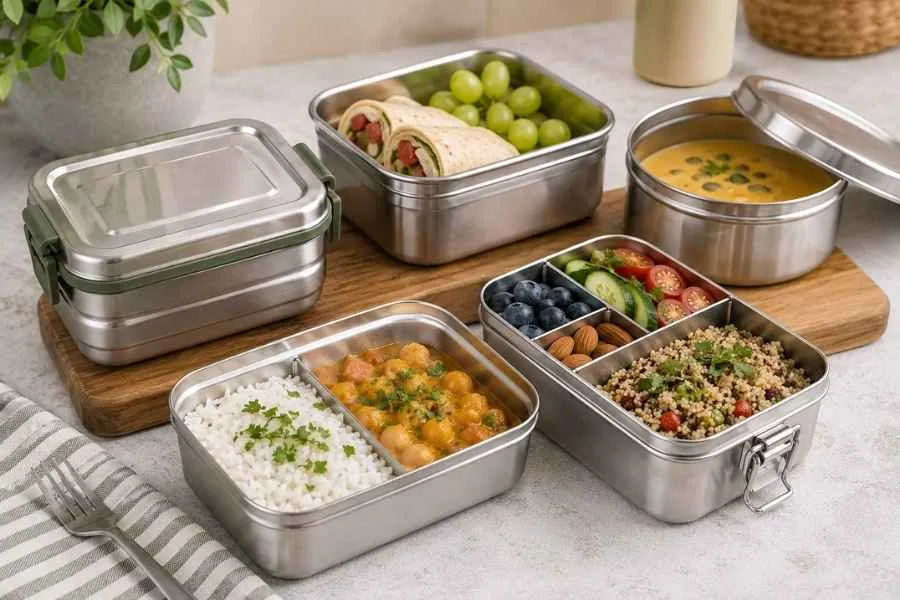
| Stainless steel containers | Lunch, snacks, chopped vegetables, dry foods | Microwave reheating, acidic foods for long storage | Easy to wash, durable | Best for food on the go |
Beeswax wraps are not the “main” food storage system I would build a kitchen around. They are a supporting swap. If you are starting from scratch, I would usually choose glass containers first, then silicone bags or stainless steel lunch boxes, then beeswax wraps for the specific moments where you used to reach for plastic wrap.
Anita’s Take
When I evaluate kitchen swaps for Healthy Home Upgrade, the first question I ask is always the same: does this actually make daily life easier, or does it just look good on a shelf?
Beeswax wraps pass that test — but only if you use them for the right foods.
I would not expect them to behave like clingy plastic wrap, and I would not use them for anything messy, hot, raw, or high-risk. I also think people should look more carefully at the ingredients, especially if the wrap contains tree resin or has a strong scent.
Where I do like beeswax wraps is for simple daily habits: wrapping a sandwich, covering a bowl, storing bread, wrapping firm cheese, or keeping half a lemon from drying out.
For a healthier, lower-waste kitchen, I would use beeswax wraps as one layer — not the whole system. Glass containers still win for leftovers. Silicone bags are better for flexible storage. Stainless steel lunch boxes are better for food on the go. Beeswax wraps are the soft, reusable swap that fills the gap where you used to reach for plastic wrap.
That is the Healthy Home Upgrade approach: not perfection, just better daily defaults.
What Are Beeswax Food Wraps?
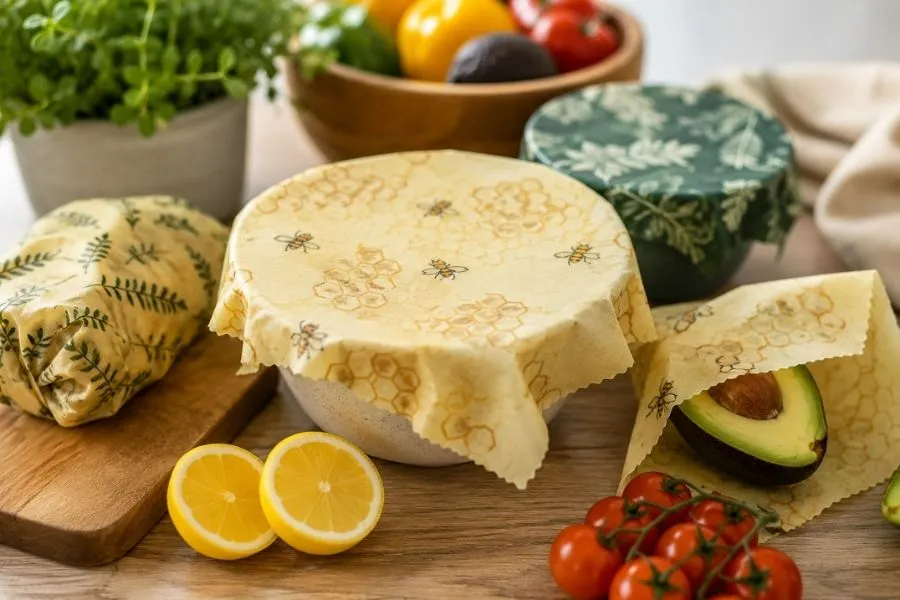
Beeswax food wraps are pieces of fabric, usually cotton, coated with a blend of beeswax, oil, and sometimes tree resin. The warmth of your hands softens the wrap slightly, helping it mold around a bowl, a piece of fruit, bread, cheese, or a sandwich.
Most wraps are designed to be washed by hand in cool water with mild soap, air dried, and reused many times. They are popular because they reduce reliance on disposable plastic wrap and take up very little space in a drawer.
The key thing to understand is that beeswax wraps are not heatproof, not sterile, and not airtight in the same way as a sealed glass container. That does not make them bad. It simply means they need to be used in the right situations.
Beeswax Food Wraps vs Plastic Wrap
Here is the honest comparison:
| Feature | Beeswax Food Wraps | Plastic Wrap |
| Reusable | Yes | Usually no |
| Single-use waste | Low | High |
| Works for sandwiches | Yes | Yes |
| Covers bowls | Yes, if the bowl shape works | Yes |
| Good for raw meat/fish | No | Better to use sealed containers |
| Microwave safe | No | Only if labeled microwave-safe and used correctly |
| Dishwasher safe | No | Not relevant |
| Airtight seal | Limited | Better cling |
| Leakproof | No | No, but often tighter |
| Maintenance | Needs hand washing | Throw away |
| Best use | Dry-ish foods, bowls, produce, firm cheese, bread | Short-term covering and clingy sealing |
Plastic wrap is convenient because it clings tightly and requires no cleaning. But it also creates single-use waste and is often used in ways that bring plastic into direct contact with food.
The FDA describes food contact substances as materials that come into contact with food, including food packaging, cookware, food preparation surfaces, adhesives, colorants, and other packaging components.
That does not mean all plastic wrap is automatically unsafe. But in a lower-exposure kitchen, it still makes sense to reduce unnecessary plastic contact, especially when there are practical reusable alternatives.
Beeswax wraps are not automatically better for every food. They are simply a lower-waste, lower-plastic option for specific storage tasks.
Where Beeswax Wraps Work Best
Beeswax wraps are best for foods that are cool, relatively dry, and not high-risk from a food safety perspective.
1. Covering bowls
They work well over bowls of salad, chopped vegetables, fruit, dough, snacks, or leftovers that have already cooled.
Use the warmth of your hands to press the wrap around the rim of the bowl. It usually seals better on ceramic, glass, and smooth metal than on rough or very wide surfaces.
2. Wrapping sandwiches
This is one of the best uses. Beeswax wraps fold well around sandwiches, wraps, rolls, and lunchbox snacks.
They are especially useful if you are trying to move away from disposable sandwich bags.
3. Storing firm cheese
Firm cheese can be one of the better uses for beeswax wraps because it does not always need a completely airtight environment. A beeswax wrap can help reduce drying while still allowing a little breathability.
This works best for firm or semi-firm cheeses like cheddar, gouda, parmesan, and similar blocks.
I would be more careful with very soft, fatty, moist, or strongly scented cheeses. If a food is oily, wet, or likely to sit in long direct contact with the wrap, a glass container is the safer and cleaner choice.
4. Covering cut produce
Beeswax wraps can work for half a lemon, cucumber, onion, bell pepper, apple, or avocado.
They will not always seal as tightly as plastic wrap, but they are often good enough for short-term storage.
5. Bread and baked goods
Beeswax wraps are useful for wrapping bread ends, muffins, rolls, and baked snacks.
For crusty bread, they may help prevent it from drying too quickly without making it as soft as a sealed plastic bag.
Where Beeswax Wraps Do Not Work Well
This is the part many reviews skip — and it matters.
1. Raw meat, poultry, and fish
Do not use beeswax wraps for raw meat, raw poultry, or raw fish.
The UC Master Food Preservers explain in their beeswax food wrap guidance that beeswax wraps are not recommended for raw meat or hot items, partly because heat can melt the wax coating and the wraps cannot be sanitized in the same way as hard food storage containers.
Use glass containers, stainless steel containers, or properly sealed freezer-safe storage instead.
2. Hot food
Let food cool before covering it. Heat can soften or melt the wax coating and shorten the life of the wrap. The same UCANR guidance on beeswax food wraps also warns against using them with hot foods.
This also matters for leftovers. Do not leave hot food sitting out for too long just because you are waiting to cover it. Use shallow containers when needed and follow USDA FSIS leftover safety guidance for safe cooling and refrigeration.
3. Microwaving
Beeswax wraps should not go in the microwave. Heat can melt the wax coating, damage the wrap, and create a mess.
For reheating, transfer food to a microwave-safe glass or ceramic container.
4. Very wet or saucy foods
Beeswax wraps are not leakproof. They are not the right choice for soup, sauce, juicy leftovers, cut melon, or anything that may drip in the fridge.
Use glass food storage containers instead.
5. Long freezer storage
Some brands say their wraps can be used briefly in the freezer, but in real life they are not the best freezer solution. They can become stiff, lose grip, and fail to protect food as well as a proper freezer-safe container.
For freezer use, stainless steel trays, silicone bags, or glass containers are usually more practical.
The Ingredient Issue: Beeswax, Oils, and Tree Resin
Many beeswax wraps are made with cotton, beeswax, oil, and tree resin. The resin is often added to make the wrap stickier so it can cling to bowls and food.
This is where I would be more selective.
Tree resin is not automatically a problem, but it should not be treated as a meaningless ingredient. Rosin, also called colophony, is derived from resin and is a known contact allergen for some people. DermNet describes rosin allergy as a possible cause of allergic contact dermatitis in sensitive individuals.
For that reason, I would avoid beeswax wraps if:
The ingredient list is vague.
The brand does not clearly state the materials used.
The wrap has a very strong resin-like or perfume-like scent.
You have known sensitivity to rosin, colophony, pine resin, propolis, beeswax, or fragrance-heavy natural products.
You want to use the wrap for long direct contact with oily, fatty, soft, or moist foods.
This does not mean beeswax wraps are unsafe for everyone. It means ingredient transparency matters.
For a low-toxin kitchen, I would look for wraps made with clearly declared food-grade ingredients, organic cotton if possible, and no synthetic fragrance. If a brand cannot explain what is in the wrap, I would choose a different product.
Are Beeswax Food Wraps Non-Toxic?
Most beeswax wraps are made from relatively simple materials: cotton, beeswax, plant oil, and sometimes tree resin. That makes them appealing for people trying to reduce plastic contact in the kitchen.
But “natural” does not automatically mean perfect for every person or every food.
Here is what to check before buying:
Choose wraps made with food-grade beeswax.
Look for organic cotton if pesticide exposure is a concern for you.
Check whether the wrap contains tree resin, rosin, or colophony.
Avoid wraps with strong synthetic fragrances.
Avoid unknown cheap wraps with unclear materials.
Avoid using beeswax wraps for long contact with oily, fatty, wet, or high-risk foods.
Do not use beeswax wraps if you have a known allergy or sensitivity to beeswax, propolis, pine resin, tree resin, rosin, colophony, or related ingredients.
Beeswax wraps are also not vegan. If that matters to you, look for plant-wax wraps made with candelilla wax or other vegan wax blends.
The Hygiene Limitation Most People Ignore
Beeswax wraps are reusable, but they are not washable in the same way as glass, stainless steel, or many silicone products.
That is the biggest practical weakness.
Because hot water can damage or melt the wax coating, beeswax wraps are usually cleaned with cool water and mild soap. That makes them fine for low-risk foods like bread, sandwiches, and firm produce, but it also means they are not the right choice when you need true sanitizing.
This is why I treat beeswax wraps as a secondary food storage tool — not a primary storage system.
Use them for simple, low-risk, short-term storage.
Do not use them for raw animal foods.
Do not use them for baby food storage.
Do not use them for immune-sensitive food handling.
Do not use them when you need a dishwasher-safe or heat-sanitized container.
Do not use them for foods that leave sticky, oily, wet, or hard-to-clean residue.
If hygiene is the priority, glass or stainless steel is the better first choice.
Beeswax Wraps Pros and Cons
Pros
Beeswax wraps can reduce single-use plastic in your daily kitchen routine.
They take up very little space.
They work well for sandwiches, bread, snacks, firm cheese, and cut produce.
They are reusable when cared for properly.
They make it easier to build a more plastic-light kitchen without replacing everything at once.
They are useful for dry or lightly moist foods that do not require an airtight seal.
Cons
They do not cling like plastic wrap.
They are not airtight or leakproof.
They need hand washing.
They cannot be cleaned with hot water without risking damage to the wax coating.
They should not be used with raw meat, raw fish, hot food, microwaves, dishwashers, or baby food storage.
They wear out over time.
They may contain tree resin, rosin, or colophony, which can be an issue for sensitive people.
They may have a scent from beeswax or resin.
They are not vegan unless you choose a plant-wax version.
What to Look for Before Buying Beeswax Wraps
Not all beeswax wraps are equal. Before buying, check these things.
1. Multiple sizes
A good starter set should include at least three sizes:
Small for lemons, jars, and snack bowls.
Medium for sandwiches and small plates.
Large for bread, salad bowls, and bigger containers.
2. Clear ingredient list
Look for brands that clearly state the fabric and wax blend.
Better ingredient transparency may include cotton, beeswax, jojoba oil, coconut oil, tree resin, or plant waxes, depending on the product. The important thing is not that every wrap has the same formula. The important thing is that the formula is clearly declared.
3. Food-grade materials
Choose brands that describe the wrap as made with food-grade waxes and materials.
Avoid products where the ingredients are vague, overly perfumed, or impossible to verify.
4. Good grip
The wrap should feel slightly tacky, not greasy or dry. If it feels stiff and papery from the beginning, it may not seal well.
5. Low scent
A mild beeswax smell is normal. A strong perfume-like, chemical, or harsh resin smell is not ideal for food storage.
6. End-of-life instructions
The best brands explain whether the wrap can be composted, refreshed, repurposed, or used as a fire starter.
7. Vegan option if needed
If you avoid bee products, choose a vegan wax wrap instead of beeswax.
Best Uses by Food Type
| Food | Beeswax Wraps? | Better Option If Not |
| Sandwiches | Yes | Stainless steel lunch box |
| Firm cheese blocks | Yes, short-term | Glass container |
| Soft/fatty cheese | Use caution | Glass container |
| Half lemon | Yes | Small glass container |
| Half avocado | Yes, short-term | Glass container |
| Bread | Yes | Bread bag or container |
| Salad bowl | Yes, if cooled and low-risk | Glass lid/container |
| Raw chicken | No | Glass or stainless container |
| Raw fish | No | Glass or stainless container |
| Baby food | No | Glass baby food containers |
| Hot leftovers | No | Let cool, then glass container |
| Soup | No | Leakproof glass container |
| Freezer meals | Not ideal | Silicone bag or freezer-safe glass |
How to Use Beeswax Food Wraps Properly
Use clean, dry hands.
Place the wrap over the bowl or around the food.
Press gently with your hands for a few seconds.
Let your body heat soften the wax so it molds into shape.
Use it mainly for low-risk foods like bread, sandwiches, firm produce, and short-term snack storage.
Store perishable food in the fridge.
After use, wash with cool water and mild soap.
Air dry fully before folding and storing.
Keep away from heat, sunlight, dishwashers, microwaves, ovens, and hot water.
Do not use the same wrap across strongly scented foods, oily foods, and delicate foods without careful cleaning.
This is not a product you can treat roughly. Gentle care is the difference between a wrap that lasts and one that becomes useless quickly.
How to Clean Beeswax Wraps
Cleaning beeswax wraps is simple, but you have to avoid heat.
Use cool water.
Add a small amount of mild dish soap.
Gently wipe the surface with your hand or a soft sponge.
Rinse.
Air dry completely.
Fold and store in a drawer or basket.
Do not scrub aggressively. Do not use hot water. Do not put them in the dishwasher. Do not soak them for a long time.
If a wrap starts to smell bad, looks dirty after washing, loses its coating, cracks badly, or stops gripping properly, it is time to replace or repurpose it.
Beeswax Wraps vs Glass Containers vs Silicone Bags
The best kitchen storage system is not one product. It is a combination.
Use beeswax wraps for:
- Sandwiches
- Bread
- Firm cheese
- Cut produce
- Bowls
- Dry snacks
- Use glass containers for:
- Leftovers
- Sauces
- Wet foods
- Meal prep
- Reheating
- Baby food
- Immune-sensitive storage
- Use silicone bags for:
- Freezer storage
- Lunch snacks
- Flexible storage
- Travel food
- Chopped fruit and vegetables
- Use stainless steel containers for:
- Lunch boxes
- Dry snacks
- Meal prep on the go
- Plastic-light storage
- Durable everyday use
This is why beeswax wraps work best as part of a system. They solve some plastic-wrap problems, but not all food-storage problems.
Are Beeswax Wraps a Good Alternative to Plastic Wrap?
For many everyday foods, yes — beeswax wraps can be a good alternative to plastic wrap. They are reusable, flexible, and useful for sandwiches, bread, firm cheese, cut produce, and bowl covers.
But they are not better in every situation. Plastic wrap still clings more tightly, while glass containers, silicone bags, and stainless steel containers are safer choices for wet foods, leftovers, freezer storage, baby food, and raw animal foods.
The better question is not:
“Can beeswax wraps replace plastic wrap 100%?”
The better question is:
“Can beeswax wraps replace 30–70% of the plastic wrap I use every week?”
For many households, the answer is yes.
Who Should Buy Beeswax Food Wraps?
Beeswax wraps are a good fit if you:
Want to reduce single-use plastic.
Pack sandwiches or snacks often.
Store bread, herbs, firm cheese, and cut produce.
Prefer reusable kitchen swaps.
Are willing to hand wash them.
Like simple, low-waste tools that do not require much storage space.
Want a soft, flexible alternative to plastic wrap for everyday low-risk foods.
Already have glass containers or stainless steel containers for leftovers and higher-risk foods.
Who Should Avoid Beeswax Food Wraps?
Skip beeswax wraps if you:
Want something airtight and leakproof.
Need storage for raw meat or fish.
Store baby food or toddler leftovers.
Have an immune-sensitive household and need containers that can be heat-sanitized.
Do a lot of freezer meal prep.
Want dishwasher-safe storage only.
Do not want any maintenance.
Are vegan and do not want bee-derived materials.
Are sensitive to beeswax, propolis, tree resin, rosin, colophony, or strong natural scents.
Need a storage option for hot leftovers, soup, sauce, soft cheese, oily foods, or very wet foods.
In those cases, glass containers, stainless steel lunch boxes, or silicone storage bags may be better first purchases.
Best Alternatives to Beeswax Wraps
Beeswax wraps are useful, but they are not the only plastic wrap alternative.
Glass food storage containers
Best for leftovers, reheating, meal prep, sauces, salads, baby food, and anything wet.
Glass is usually the first upgrade I would make in a plastic-light kitchen because it is versatile, easy to clean, and better for foods that need a stronger seal.
Reusable silicone food storage bags
Best for snacks, freezer storage, sliced fruit, chopped vegetables, and travel food.
Silicone bags are more flexible than glass and more leak-resistant than beeswax wraps.
Stainless steel lunch boxes
Best for lunch, dry snacks, sandwiches, chopped vegetables, and meal prep on the go.
They are durable, lightweight, and ideal if you want less plastic in packed meals.
Stainless steel ice cube trays
Best for freezing herbs, broth, baby food portions, smoothie cubes, lemon juice, and small prep portions.
They are not a direct replacement for beeswax wraps, but they belong in the same plastic-light kitchen system.
To reduce plastic in the freezer as well, consider switching to stainless steel ice cube trays for everyday ice making.
Fabric snack bags
Best for dry snacks, crackers, bread, and lunchbox extras.
They are lightweight and easy to carry, but not ideal for wet foods.
Healthy Home Upgrade Note
This article is a practical material and use-case review, not a lab test. Beeswax wraps are helpful for reducing single-use plastic, but they are not suitable for raw meat, raw fish, hot food, microwaves, dishwashers, baby food storage, immune-sensitive food handling, or leakproof storage.
For leftovers and perishable foods, always follow basic food safety guidance from USDA FSIS and refrigerate within safe time limits.
Final Verdict: Are Beeswax Food Wraps Worth Buying?
Beeswax food wraps are worth buying if you want to reduce single-use plastic and you regularly store sandwiches, bread, firm cheese, cut produce, snacks, or bowls of food.
They are not worth buying if you expect them to replace every storage container in your kitchen.
Best use: sandwiches, bread, firm cheese, cut produce, snack bowls, and lunch prep.
Worst use: raw meat, raw fish, hot food, wet leftovers, soft/fatty cheeses, baby food, immune-sensitive storage, microwave reheating, and freezer meals.
Healthy Home Upgrade verdict: beeswax wraps are a smart plastic wrap alternative for the right foods — but they work best when paired with glass containers, silicone bags, and stainless steel lunch boxes.
If you’re creating a healthier hydration setup alongside your lunch routine, our PFAS-free drink station guide covers safer beverage storage and filtration options.
FAQ
Are beeswax food wraps worth it?
Yes, beeswax food wraps are worth it if you use them for the right foods. They work well for sandwiches, bread, firm cheese, cut produce, snack bowls, and low-waste lunch prep. They are not ideal for raw meat, wet leftovers, hot food, baby food, immune-sensitive storage, or freezer meals.
Can beeswax wraps replace plastic wrap?
They can replace some plastic wrap, but not all of it. Beeswax wraps are useful for dry or lightly moist foods, but they do not create the same airtight, leakproof seal as some containers.
Can beeswax wraps touch food directly?
Yes, beeswax wraps are designed to touch many foods directly, such as bread, firm cheese, cut produce, and sandwiches. Avoid using them with raw meat, raw fish, raw poultry, hot food, very wet foods, baby food, or foods that require highly sanitized storage.
Can beeswax wraps go in the microwave?
No. Beeswax wraps should not go in the microwave. Heat can melt the wax coating and damage the wrap.
Can beeswax wraps go in the dishwasher?
No. Beeswax wraps should be washed by hand with cool water and mild soap, then air dried.
Not sure which material is best for freezing food or drinks? See our comparison of plastic vs silicone vs stainless steel ice trays.
How long do beeswax wraps last?
It depends on the brand, frequency of use, and care. With regular use and gentle washing, many wraps last several months to around a year. If they lose grip, crack badly, smell unpleasant, or no longer clean well, it is time to replace or repurpose them.
Do beeswax wraps keep food fresh?
They can help keep many foods fresh for short-term storage, especially bread, sandwiches, herbs, firm cheese, and cut produce. They are not airtight like sealed glass containers, so they are not ideal for all leftovers.
Are beeswax wraps vegan?
No. Traditional beeswax wraps contain beeswax. Vegan wraps usually use plant-based waxes such as candelilla wax.
Are beeswax wraps safe for people with allergies?
They may not be the best choice for people sensitive to beeswax, propolis, tree resin, rosin, colophony, or strong natural scents. If you have known contact allergies or unexplained reactions to resin-based products, choose glass, stainless steel, or silicone storage instead.
For a complete kitchen upgrade, check out our zero-toxic-load meal prep station guide featuring cutting boards, knives, and storage containers that work together.
Can beeswax wraps be composted?
Some can be composted, depending on the fabric and coating. Check the brand’s instructions. You can also cut worn wraps into strips and use them as fire starters if the materials are suitable.
Do beeswax wraps smell?
Most have a mild beeswax scent at first. It usually fades. If the smell is very strong, synthetic, rancid, harshly resin-like, or unpleasant, choose another brand.
Final Thoughts
Beeswax food wraps are not perfect, but they are useful.
They will not replace every container, bag, lid, or wrap in your kitchen. But they can replace a surprising amount of everyday plastic wrap when you use them for the right foods.
For a healthier, lower-waste kitchen, start with the basics: glass containers for leftovers, stainless steel for lunch and freezing portions, silicone bags for flexible storage, and beeswax wraps for the simple everyday moments where you used to reach for plastic.
That is where beeswax wraps make the most sense — not as a perfect solution, but as one practical step toward a less disposable kitchen.