At a Glance
Smart water technology is reshaping how we live, from AI-powered filters that learn your habits to rain-harvesting systems that water your garden while you sleep. Across the U.S., Europe, Asia, and South America, the future of home water tech 2026 is about intelligent, inclusive, and sustainable living — blending design, wellness, and care for both people and the planet. If you want that intelligence to cover every tap and shower, not just a single faucet, a modern whole house water filter system can turn your entire plumbing network into a wellness feature for your home.
When Water Begins to Think
There’s a quiet intelligence flowing through modern homes. A mother in Copenhagen fills her kettle, unaware that a sensor beneath the counter has already adjusted flow to match the morning’s mineral levels. In Tokyo, a teenager checks her phone to see how much water her shower saved that week. In California, a family’s faucet automatically turns off when their golden retriever nudges it after a walk.
This is the future of home water tech 2026 — a union of science and sensibility. AI systems read pressure changes, anticipate leaks, and even predict maintenance before anything fails.
Visit Moen Flo Smart Water Monitor or Hydraloop AI System to see how consumer-ready these innovations already are.
Three Homes Defining the New Era
1. The California Hydro-Intuitive House
Outside Santa Barbara, the Klein family lives in a solar-powered home where every drop is tracked. Their AI water system adjusts filtration based on humidity, reuses shower water for the garden, and even balances the pH of the dog’s drinking bowl. It’s more than convenience — it’s a quiet ecosystem that rewards awareness.
2. A Tokyo Apartment That Learns Routine
In a micro-apartment near Shibuya, space and time are luxuries. A compact Panasonic AquaSmart unit beneath the sink measures mineral content and temperature, preparing filtered water before each morning coffee. For older adults, a voice command such as “fill the cup, warm” provides greater independence without adding complexity.
3. Brazil’s Rain-Reborn Villa
Architect Luiza Ferreira’s home outside São Paulo turns rainfall into art. Terracotta channels lead water to a graphene-lined purification tank that self-cleans with UV light. The recycled water irrigates lush courtyards and even a small wildlife corner, where birds and capybaras drink freely. Ferreira calls it “architecture that breathes with the land.”
If you live somewhere less tropical or rely on older pipe infrastructure, you can borrow the same “whole-system” thinking at a smaller scale by combining smart filtration with certified lead removal — for example, pairing your existing setup with a filter that’s independently tested for lead and PFAS reduction so every glass you pour at home is as intentional as Ferreira’s rain-fed oasis.
Choosing the Right System
Every home has its own rhythm.
Apartments: Try countertop or under-sink filters like AquaTru Connect or TAPP Water Pro — easy installation, live app tracking.
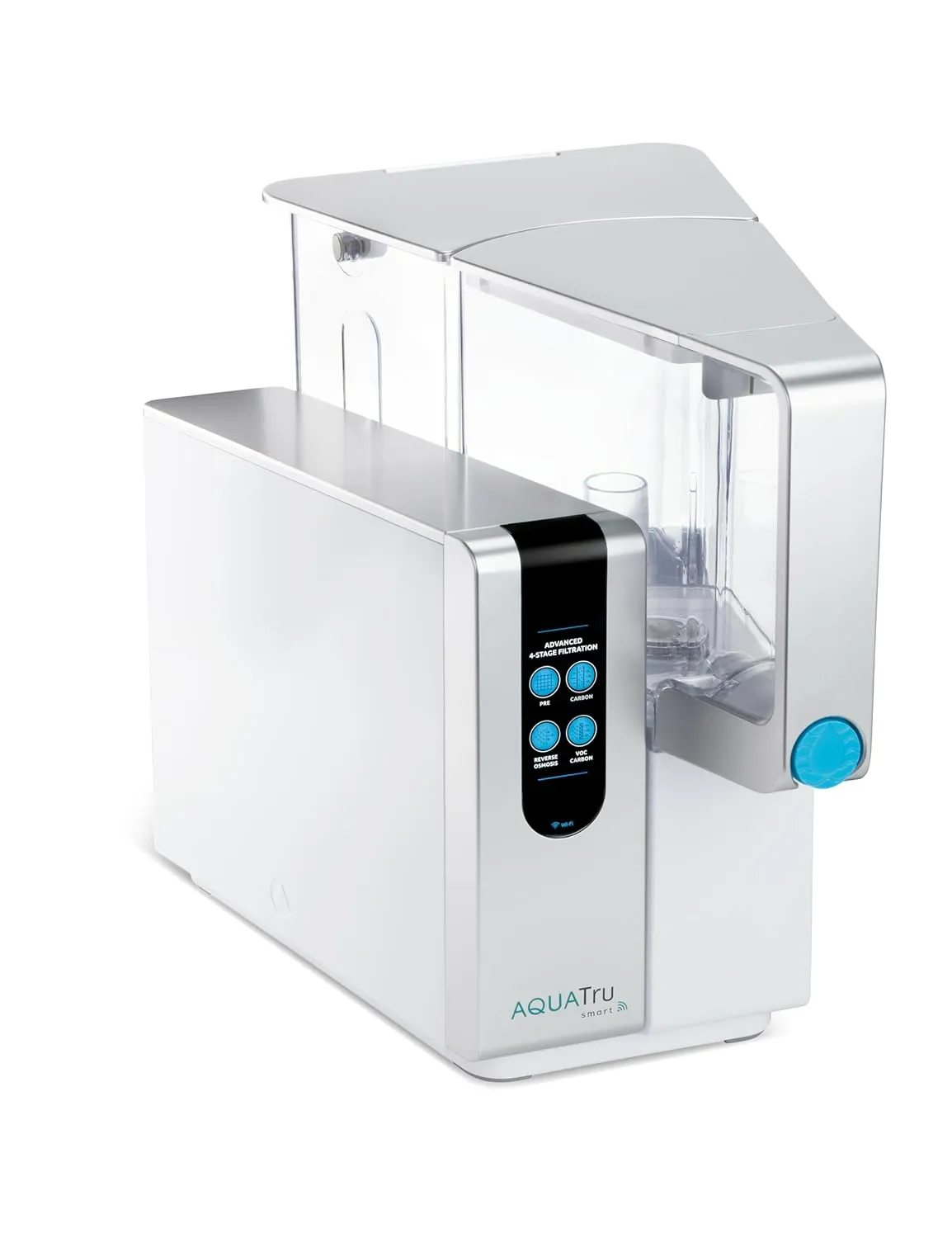
Healthy Home Upgrade Recommendation
We like the AquaTru Connect because it combines high-performance reverse osmosis filtration with smart monitoring, making it easy to keep track of filter life and water quality. It’s an excellent choice for renters or anyone who wants purified drinking water without permanent plumbing changes.
Pros
- Countertop installation with no permanent plumbing
- Reverse osmosis filtration removes a wide range of contaminants
- Smart app tracks filter life and maintenance
- Suitable for apartments and rental homes
- Easy cartridge replacement
Cons
- Takes up counter space
- Produces some wastewater, as with most RO systems
- Slower water production than a standard faucet
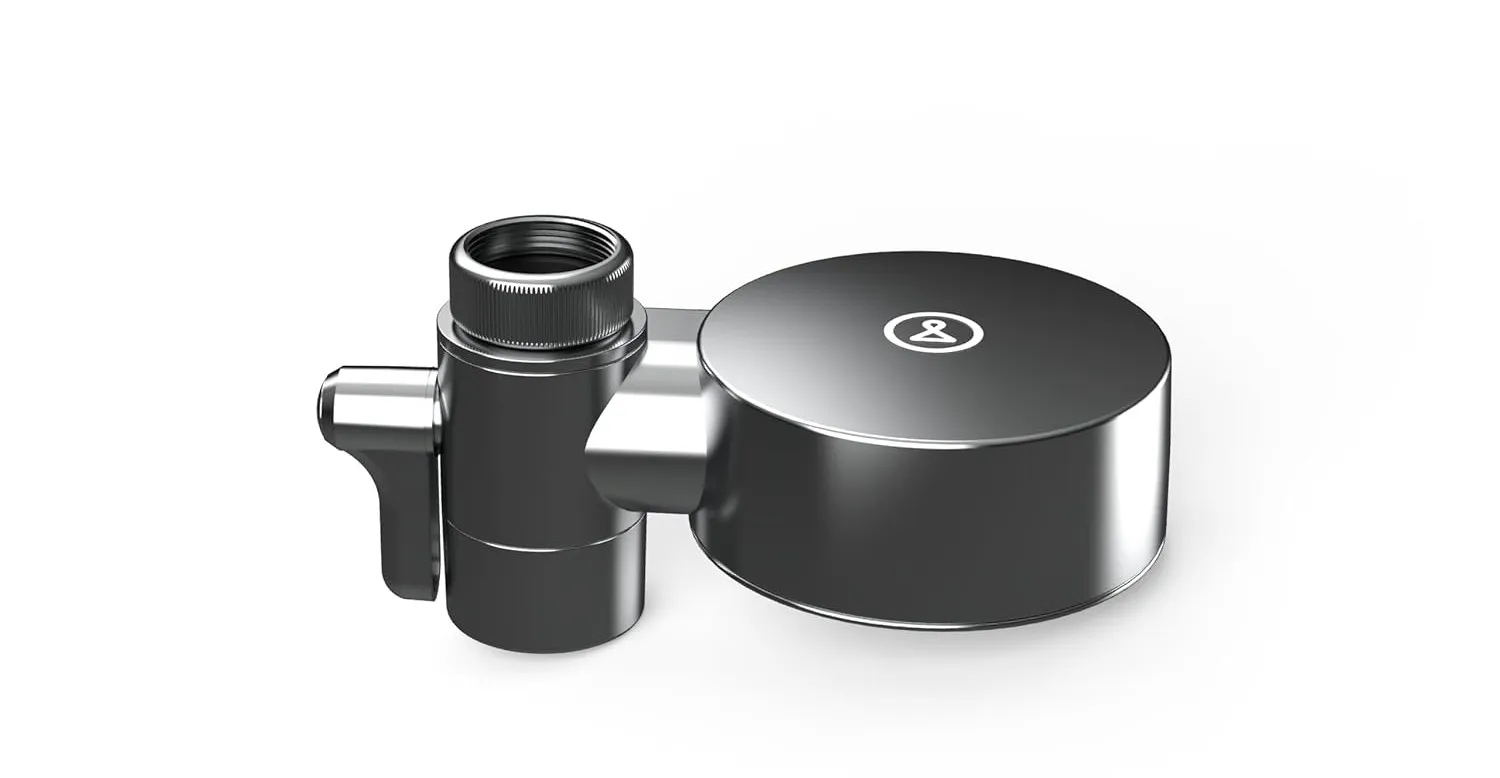
We recommend the TAPP Water Pro because it provides an easy-to-install filtration solution that preserves beneficial minerals while reducing chlorine, taste, odor, and selected contaminants. Unlike reverse osmosis systems, it does not require electricity or produce wastewater, making it an eco-friendly option for households that want cleaner drinking water with minimal maintenance. It is especially well suited for apartments and kitchens where a compact under-sink filter is preferred.
Pros
- Quick under-sink installation
- No electricity required
- No wastewater produced
- Helps reduce chlorine, unpleasant taste, and odor
- Retains beneficial minerals
- Compact design with minimal maintenance
Cons
- Does not provide the same broad contaminant reduction as reverse osmosis
- May not reduce dissolved contaminants such as fluoride to the same extent as RO systems
- Replacement cartridges are required to maintain performance
Check current price and availability on Amazon
Which is better?
| AquaTru Classic | TAPP Water Pro |
|---|---|
| Reverse osmosis filtration | Carbon-based under-sink filtration |
| Removes a broader range of contaminants | Focuses on chlorine, taste, odor, and common contaminants |
| Produces wastewater | No wastewater |
| Requires electricity | No electricity required |
| Removes many dissolved solids | Retains beneficial minerals |
| Better for maximum contaminant reduction | Better for convenience and sustainability |
Detached Homes: Full-house networks such as Phyn Plus Smart Water Assistant integrate leak detection and automatic shut-off.
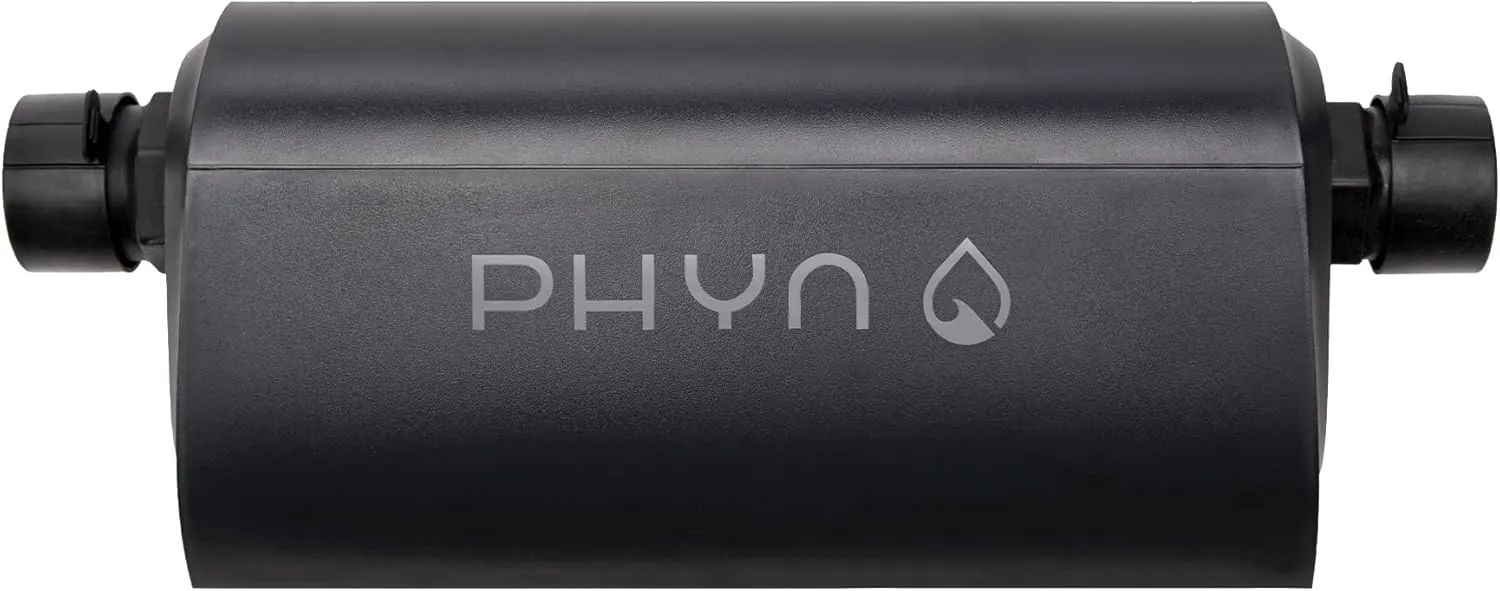
Healthy Home Upgrade Recommendation
We recommend the Phyn Plus Smart Water Assistant for homeowners who want to protect both their plumbing and their home. Its intelligent leak detection, automatic shut-off capability, and real-time monitoring can help prevent costly water damage while giving homeowners greater visibility into their water usage.
Pros
- Detects leaks throughout the home
- Automatic water shut-off during major leaks
- Monitors water use in real time
- Smartphone alerts and remote control
- May reduce the risk of expensive water damage
Cons
- Professional installation is typically recommended
- Higher upfront investment than basic leak detectors
- Does not filter drinking water
Check current price and availability on Amazon
Eco Homes: Systems like RainStick Shower recycle and sanitize water in a single loop.
Healthy Home Upgrade Recommendation
We recommend the RainStick Shower for eco-conscious households looking to significantly reduce water and energy consumption. Its closed-loop filtration and UV sanitation system allows water to be cleaned and reused during a single shower while maintaining a comfortable shower experience.
Pros
- Dramatically reduces water consumption
- Uses less energy to heat water
- Built-in filtration and UV sanitation
- Premium, modern shower experience
- Supports sustainable home design
Cons
- Premium purchase price
- Professional installation may be required
- Not suitable for every plumbing configuration
- Availability varies by region
View price on Amazon
The best system is not the most expensive — it’s the one that truly fits your home, your habits, and your values.

Inclusive Design for Real Life
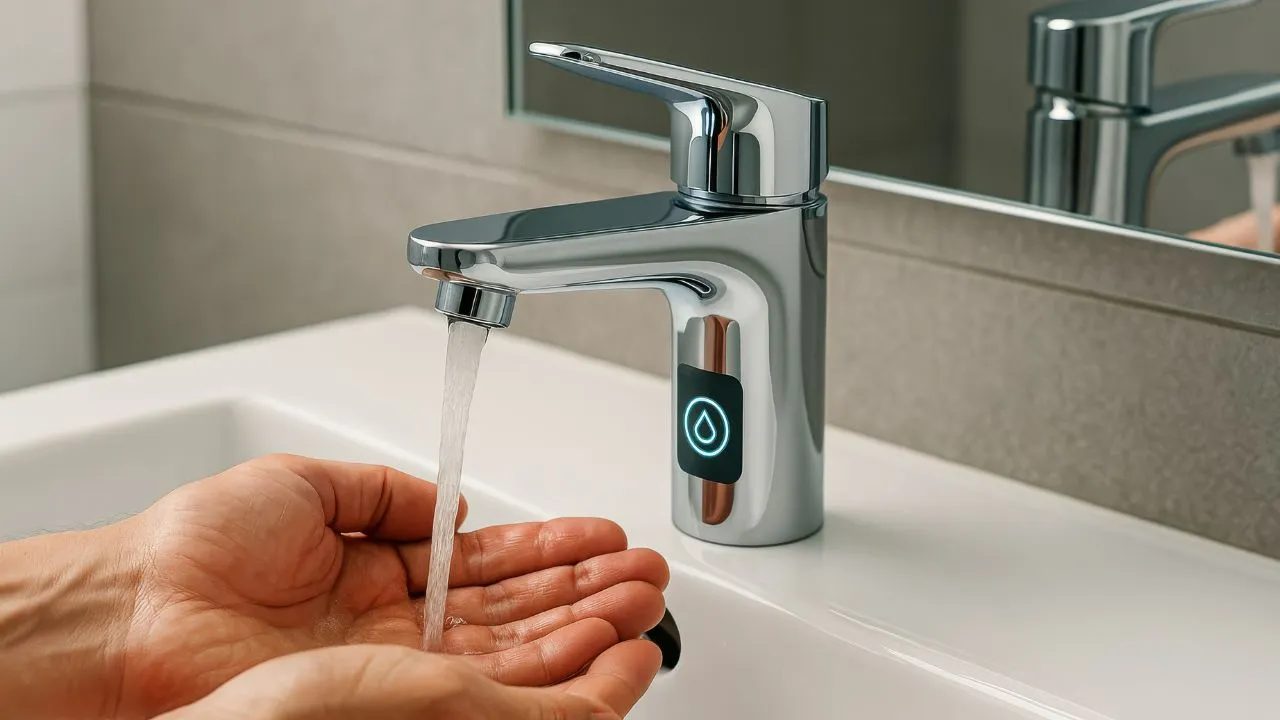
Technology is only meaningful when everyone can use it. Smart faucets now mount lower for wheelchair access; LED rings and sound cues guide the visually impaired; and Grohe SmartControl and Delta VoiceIQ respond to simple voice commands.
In Singapore, senior-living complexes are testing AI faucets that stop water automatically if movement ceases, preventing burns or flooding. In Europe, the EU Accessibility Act 2025 ensures every new smart appliance must be accessible — not an afterthought, but a foundation.
When AI Learns to Care
Artificial intelligence now personalizes water like a trusted friend. Your system remembers how you like your evening bath, senses mineral changes after a storm, and sends gentle alerts when something shifts.
In homes from Seoul to Berlin, water data connects with air purification and energy management, creating wellness ecosystems that breathe and adapt.
It’s not about control — it’s about awareness.
Rethinking Water Awareness
For generations, we’ve trusted that what flows from the tap is safe — a shared resource we rarely question. But as infrastructure ages and climates shift, a quiet revolution is happening in kitchens and bathrooms worldwide.
More people are taking back responsibility, learning how to test their own water, not from distrust but from curiosity. The results are often surprising: traces of old pipes, chlorine spikes, or mineral imbalance that make skin dry or plants struggle.
Today, you can monitor, filter, and even automate your home’s water system while sitting halfway across the globe. Smart networks now let you flush, pause, and recycle remotely — protecting both your household and the planet.
The Art of Rainwater Collection

Few acts feel more grounding than catching rain. It begins as a sound — the slow rhythm against roofs and leaves — and ends as nourishment for your garden, your plants, and even your pets.
In 2026, rainwater harvesting has evolved from rustic barrels to elegant, AI-integrated systems. Rooftop channels direct water into UV-sterilized storage tanks; filters remove debris and bacteria, while graphene membranes preserve minerals. Some systems enrich the water naturally with calcium and magnesium before reuse — ensuring plants thrive and indoor greenery glows with vitality.
According to the UNESCO Global Water Report, households that harvest and reuse rainwater for irrigation can reduce consumption by up to 40 %. The ripple effect goes beyond savings: gardens become healthier, soils regenerate, and microclimates cool.
If you grow your own vegetables, using softened or rain-enriched water helps maintain the delicate balance of beneficial microbes. Even indoor plants respond — their leaves stay vibrant longer when watered with mineral-stable rain instead of tap water.
And for animal lovers, a filtered rain source can mean cleaner bowls, healthier coats, and fewer skin irritations for pets sensitive to chlorine.
Rainwater, when captured and cared for, becomes a living resource that connects the natural and the technological — the ancient rhythm of weather with the precision of smart design.
What’s Good — and What’s Not Yet
| What Works Well | Still Catching Up |
|---|---|
| Up to 30 % water savings with AI scheduling | High initial cost and installation complexity |
| Predictive leak and damage prevention | Dependence on Wi-Fi and apps |
| Filter longevity — less plastic waste | Some smart filters still use disposable cartridges |
| Healthier skin, hair, and pet wellbeing | Limited accessibility in low-income regions |
For maintenance and troubleshooting tips, see Limescale Build-Up — How to Protect Your Home and Appliances or learn about whole-house solutions in Reverse Osmosis Systems — What You Need to Know.
How It Feels to Live with It
The modern home hums softly. You hear the gentle click of valves at night, the calm pulse of systems adjusting to your rhythm. Coffee tastes cleaner. Skin feels smoother. Even the houseplants seem happier.
People who live with these systems describe not just better water — but peace of mind. It’s the comfort of knowing that your home protects itself, that every drop serves a purpose.
This is what the future of home water tech 2026 looks like: invisible intelligence working quietly behind the walls, connecting human needs with the pulse of nature.
Reflection
Water connects us more than we realize. Have you ever noticed how it feels different when you travel — soft and silky in Paris, metallic in Berlin, bright and light in the Andes?
That subtle texture tells the story of each place: the soil, the stone, the air.
Maybe you’ve collected rainwater for your garden, or noticed how your plants perk up after a storm. Perhaps your dog or cat prefers one kind of water over another — they sense purity before we do.
According to UNESCO research, even small-scale rain reuse in home gardens can improve soil health, plant nutrition, and local biodiversity. So while technology helps us filter and monitor, it’s awareness that truly transforms.
I’d love to hear from you — from anyone who’s thinking about our water and how it shapes daily life. Have you tried new ways to purify, reuse, or reconnect with it? Your stories — big or small — help others see what sustainable living really looks like. For everyday drinking and cooking, tools like a Berkey water filter can turn that awareness into a simple habit — a visible reminder at your counter that clean water is something you choose and care for, not just something that appears from a tap.
Please share your experience in the comments. Let’s build a community that doesn’t just talk about clean water — we live it, one mindful drop at a time.
Follow us on social Facebook

Anita is the founder and writer behind Healthy Home Upgrade, where she shares her passion for transforming living spaces into foundations for smart health and wellness. Driven by her personal health journey, her goal is to provide valuable, practical articles that empower readers to use technology and design to improve their quality of life.