Some people notice it the first time they shower abroad. For me, it happened after years of moving between countries — the U.S., Scandinavia, and Southern Europe.
In some homes the water felt soft and neutral, in others sharp and dry. The difference wasn’t imagination — it was chlorine. In large cities, it’s added generously to keep tap water safe. But in warm shower steam, it can sting the eyes, dry the scalp, and leave a faint chemical scent that clings to towels.
Once, after a long soak in a heavily chlorinated bath, I felt dizzy and nauseous. That was when I realized that clean water isn’t only about what we drink — it’s about what surrounds us every single day. That experience sent me looking for the best shower filter for chlorine 2025, something certified safe no matter where in the world you live.
Why Chlorine Is Added — and Why It Can Still Be a Problem
Chlorine is one of humanity’s great inventions. It saves millions of lives by keeping public water free of bacteria and parasites. But once that same disinfectant reaches your bathroom, it can quietly start drying and irritating your skin.
When chlorine meets heat, it forms chloramine and trihalomethanes, gases that rise with the steam. Studies have shown that inhaling hot shower vapor can expose you to more chlorine than a full day of drinking tap water (PubMed study). Over time, this can disrupt the natural skin barrier and alter the skin microbiome (Healthline).
The solution isn’t fear — it’s knowledge and smarter technology.
Water Quality Around the World

Water chemistry shifts dramatically by region. In Los Angeles and Miami, chlorine levels run high to travel through long, aging pipelines. In Spain or Italy, warm weather and minerals demand stronger disinfection. In Scandinavia, mountain-fed groundwater needs almost none.
If you’ve traveled often, you’ve felt the difference — your shampoo feels strange, your skin lotion stops working, your hair frizzes overnight. Those are chemical realities, not coincidences.
That’s where the best shower filter for chlorine 2025 comes in: it standardizes your experience, giving you the same clean, gentle water whether you’re in California, Copenhagen, or Cape Town.
(You can also explore Hard Water vs Soft Water — How It Affects Your Skin, Hair, and Home for a deeper look at mineral effects.)
The Feel of the Water — More Than Just Filtration
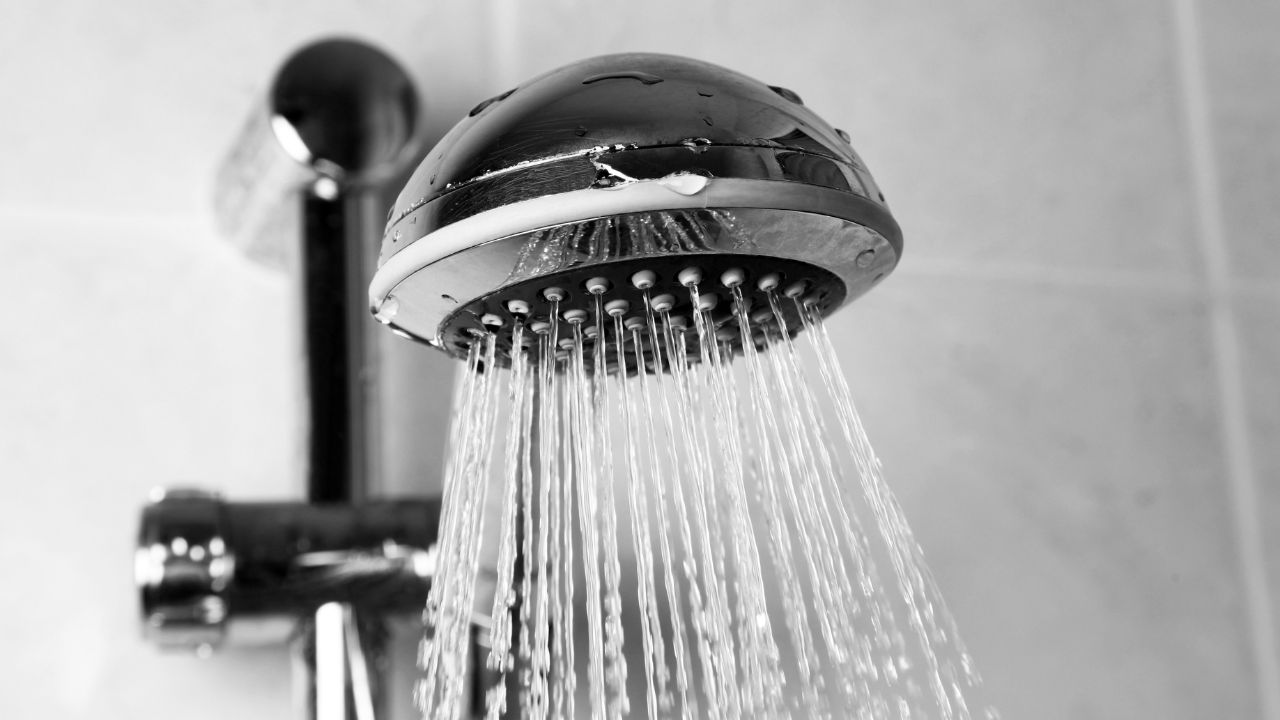
Filtering water isn’t just science; it’s sensory. A rainfall showerhead spreads water in soft, full droplets — calming and luxurious. A compact handheld model adds control, ideal for small bathrooms or quick rinses.
But both designs only reach their full potential when paired with a high-quality filter. Inline or concealed filters now blend beautifully with modern fixtures, turning your shower into a genuine wellness ritual. And when that filtration is handled at the whole-home level, a best-in-class whole house water filter system means every shower, tub, and tap in your space benefits from cleaner, gentler water before it even reaches your bathroom hardware.
The best systems for 2025 bring together design, certification, and feel — combining health protection with spa-level comfort.
How Modern Shower Filters Work
Each certified filter uses layers that work together:
-
KDF-55 (copper-zinc) converts chlorine into harmless chloride and reduces metals like lead and mercury.
-
Activated carbon removes organic compounds and odors.
-
Vitamin C (ascorbic acid) instantly neutralizes chlorine and chloramine.
-
Ceramic or calcium sulfite beads balance pH and trap fine sediment.
Together they create water that feels closer to natural rain — soft, clear, and odor-free.
Certified and Tested — Best Shower Filters for Chlorine 2025
Only a few brands meet both NSF/ANSI and EU safety standards. Below are the models independently verified for 2025 performance.
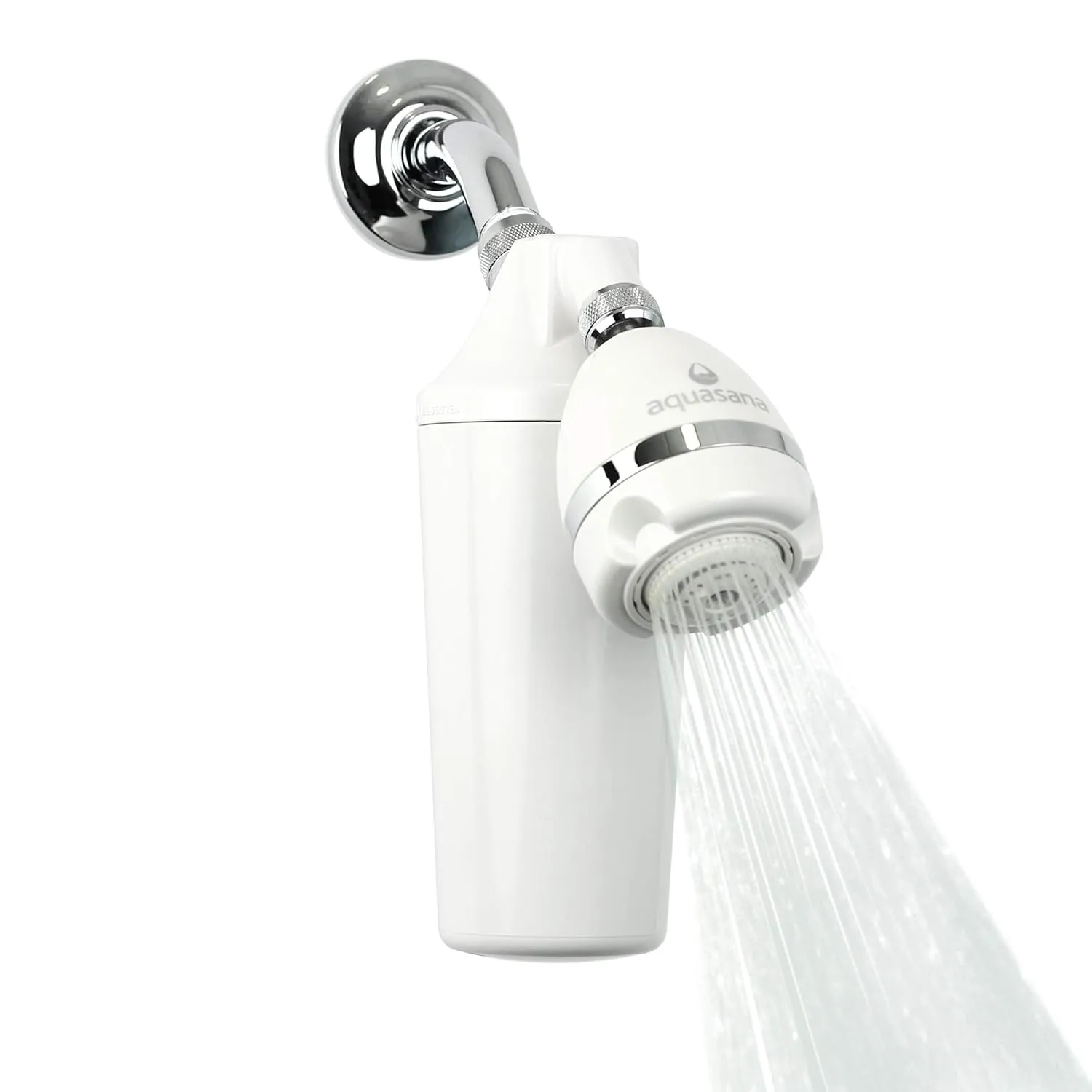
-
Certified NSF/ANSI 177 for chlorine reduction
-
KDF-55 + activated carbon dual-stage
-
RoHS & REACH compliant materials
-
Sold globally via Amazon EU and Aquasana official site
Healthy Home Upgrade Recommendation
We recommend the Aquasana AQ-4100 Max Flow because it is one of the few shower filters with NSF/ANSI 177 certification for chlorine reduction, giving it independently verified performance rather than relying on marketing claims. Its KDF-55 and activated carbon filtration helps reduce chlorine while maintaining strong water pressure, and the use of RoHS and REACH compliant materials makes it a solid choice for households focused on safer materials.
Pros
- NSF/ANSI 177 certified for chlorine reduction
- KDF-55 and activated carbon dual-stage filtration
- Strong water flow compared with many shower filters
- RoHS and REACH compliant materials
- Widely available with replacement cartridges
Cons
- Designed primarily for chlorine, not dissolved heavy metals
- Replacement cartridges are more expensive than some budget filters
- Does not soften hard water
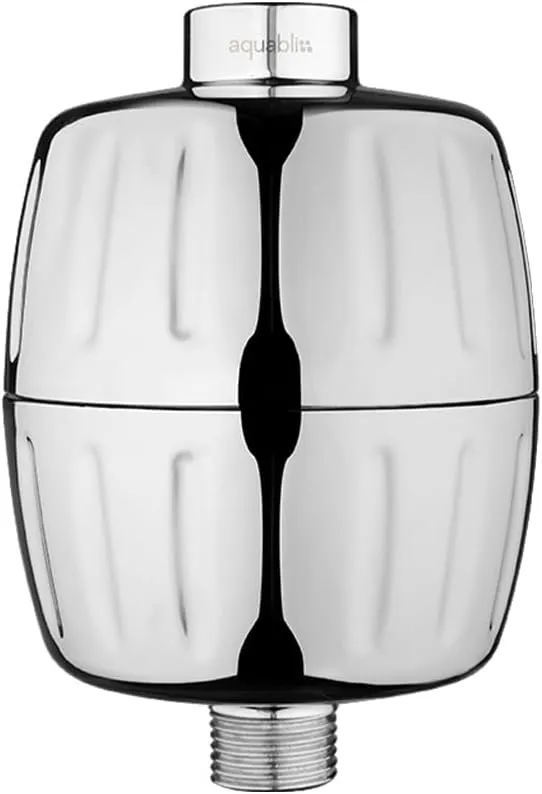
AquaBliss SF500 Revitalizing Filter
-
Independently tested by Intertek Labs
-
Meets CE + RoHS compliance
-
Compact and renter-friendly
Healthy Home Upgrade Recommendation
We recommend the AquaBliss SF500 because it combines independent Intertek laboratory testing with CE and RoHS compliant materials. Its compact design makes it an easy upgrade for renters or homeowners who want a simple installation while reducing chlorine exposure during showers.
Pros
- Independently tested by Intertek
- Compact, lightweight, and renter-friendly
- Easy DIY installation
- CE and RoHS compliant
- Affordable replacement filters
Cons
- Not NSF certified for chlorine reduction
- Smaller filter media may require more frequent cartridge changes
- Performance may vary depending on local water quality
Check the latest price on Amazon
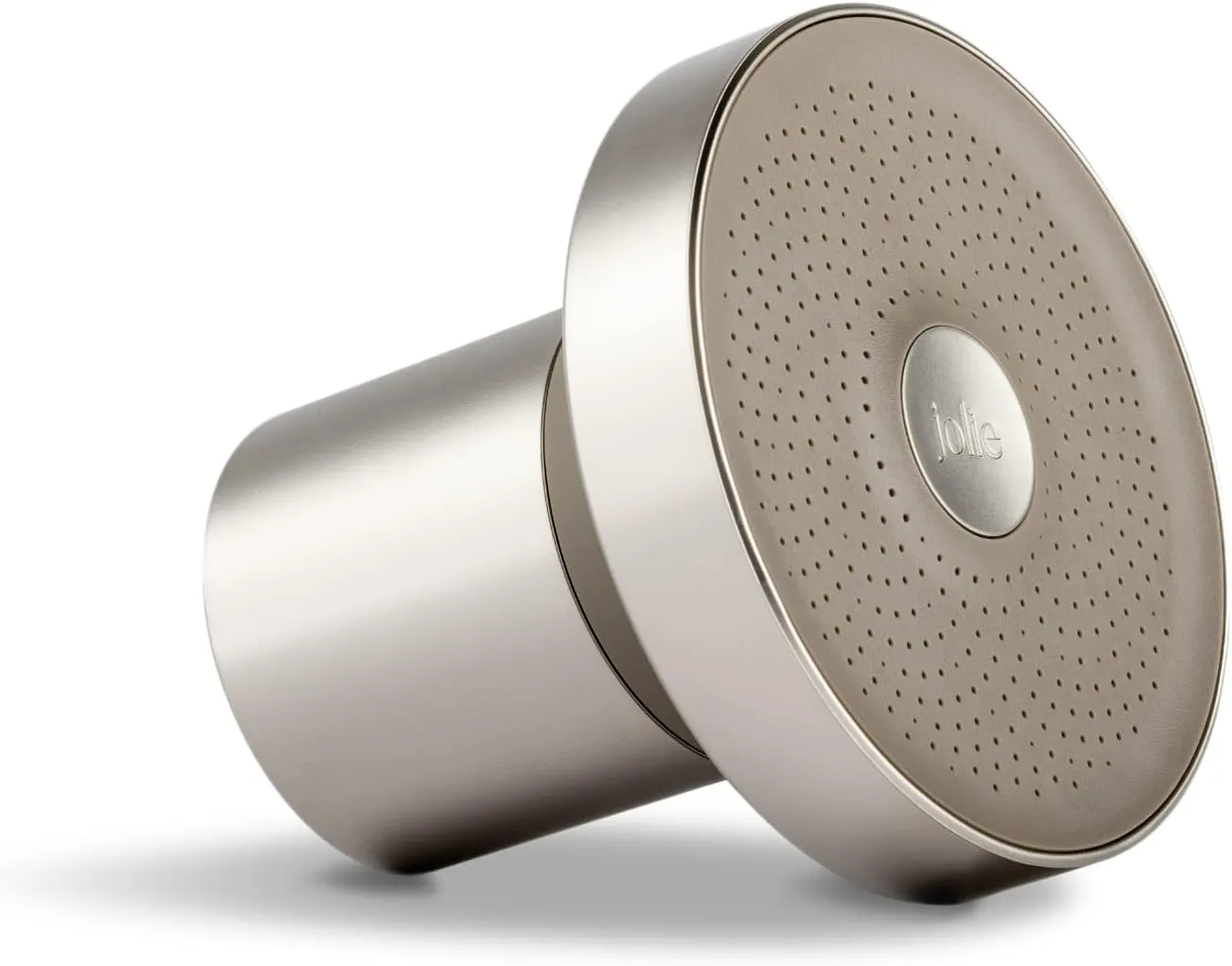
Jolie Filtered Showerhead
-
Multi-stage system tested for chlorine, lead, microplastics
-
SGS ISO/IEC 17025 certified
-
Ships internationally
Healthy Home Upgrade Recommendation
We recommend the Jolie Filtered Showerhead because it uses a multi-stage filtration system that has been independently tested for chlorine and other common contaminants. With SGS ISO/IEC 17025 laboratory testing and broad international availability, it is a well-documented option for people looking for both filtration and a premium shower experience.
Pros
- Attractive all-in-one filtered showerhead
- Independently laboratory tested
- Helps reduce chlorine and selected contaminants
- Strong water pressure with modern design
- Available in multiple finishes
Cons
- More expensive than basic shower filters
- Replacement cartridges add ongoing cost
- Not certified under NSF/ANSI 177
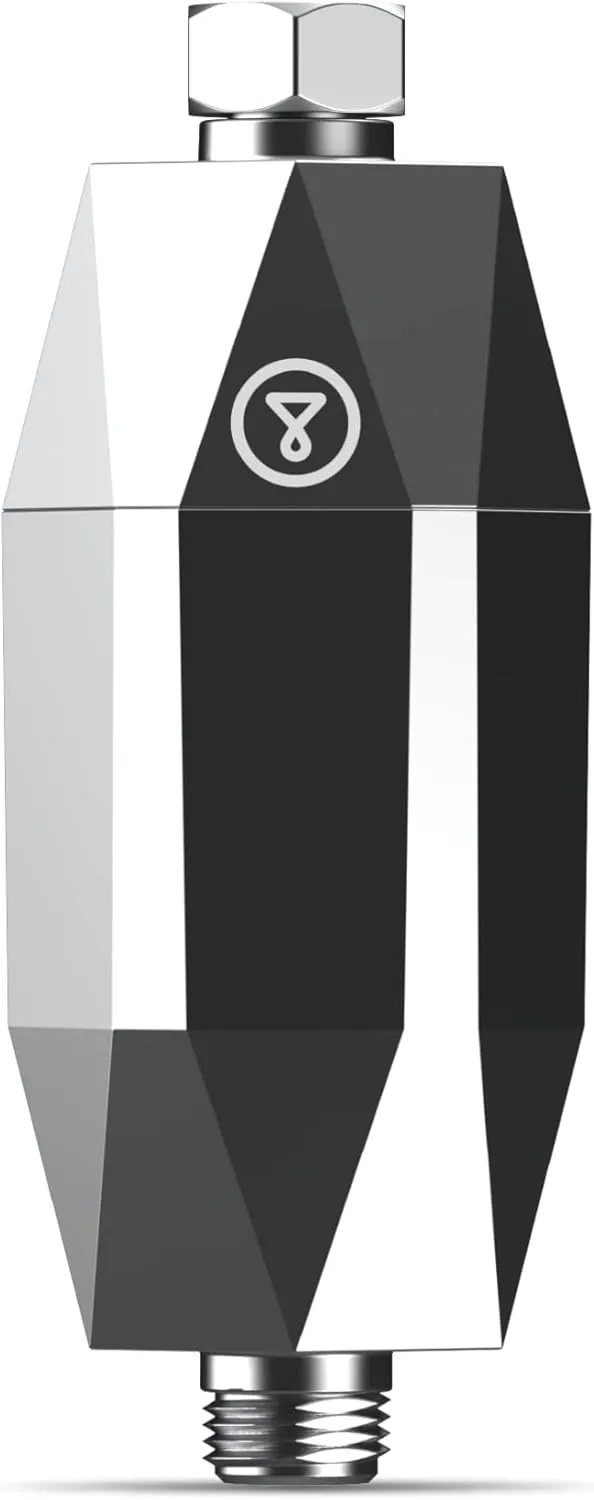
TAPP Water ShowerPro (EU)
-
Certified NSF/ANSI 42 and 177
-
Manufactured under ISO 9001 & REACH
-
Designed for European fittings
Healthy Home Upgrade Recommendation
We recommend the TAPP Water ShowerPro because it is one of the few shower filters designed specifically for European plumbing standards while carrying NSF/ANSI 42 and 177 certifications. Manufactured under ISO 9001 quality management with REACH-compliant materials, it is a strong option for households throughout Europe seeking independently verified chlorine reduction.
Pros
- NSF/ANSI 42 and 177 certified
- Designed specifically for European shower fittings
- REACH compliant materials
- Manufactured under ISO 9001 quality standards
- Good option for EU households
Cons
- Less widely available outside Europe
- Limited compatibility with some non-EU plumbing systems
- Replacement cartridges may be harder to source outside the EU
Each filter above is globally legal, laboratory-tested, and safe for use in both EU and USA homes.
Traveling with Clean Water
Hotel bathrooms and rentals often have stronger chlorine levels than home systems. Portable vitamin C filters or handheld mini-filters can attach to almost any standard shower hose — a few twists, and you have the same protection you enjoy at home.
Brands like TAPP Water and AquaBliss offer travel-ready versions that fit both U.S. and European threads. They weigh less than 200 grams and slip easily into carry-on luggage.
Even on the road, you can keep your skin calm and your lungs clear.
Maintenance and Lifespan
Replace cartridges every four to six months or when water pressure drops. A quick monthly rinse of the showerhead prevents mineral buildup. Regular care keeps performance — and that luxurious feel — at its best.
Why It Matters
Water touches you more than any product you own. Choosing a certified, tested shower filter is one of the simplest ways to protect your health and elevate your daily ritual.
Wherever you live — New York, Lisbon, or Copenhagen — you deserve clean, balanced water.
Frequently Asked Questions
Do shower filters really remove chlorine?
Yes, quality shower filters can significantly reduce chlorine when they use proven filtration media such as KDF-55, activated carbon, calcium sulfite, or vitamin C. For the highest confidence, look for products that have been independently tested or certified to standards such as NSF/ANSI 177.
What is the best shower filter for chlorine in 2025?
The best shower filter depends on your needs. If you want independently certified chlorine reduction, the Aquasana AQ-4100 Max Flow is one of the strongest choices. Renters may prefer the compact AquaBliss SF500, while European households should consider the TAPP Water ShowerPro.
Can a shower filter remove chloramine?
Some shower filters help reduce chloramine, but not all are equally effective. Filters containing vitamin C, KDF media, or specialized catalytic filtration generally perform better against chloramine than activated carbon alone. Always check the manufacturer’s testing data.
How often should I replace a shower filter cartridge?
Most manufacturers recommend replacing the cartridge every 4 to 6 months, although this varies depending on water quality and household usage. If you notice reduced water pressure, a chlorine smell returning, or the recommended service life has been reached, it’s time for a replacement.
Will a shower filter soften hard water?
No. Most shower filters are designed to reduce chlorine and certain contaminants, not remove the calcium and magnesium minerals that cause hard water. If hard water is your main concern, you may need a dedicated water softener or whole-house treatment system.
Are shower filters worth it?
For many households, yes. A quality shower filter can reduce chlorine exposure during bathing, improve water odor, and may help reduce dryness for some people. While results vary based on local water quality, a certified filter is a relatively affordable upgrade compared with larger water treatment systems.
Can shower filters help dry skin and hair?
Many people report that reducing chlorine makes their skin feel less dry and their hair more manageable. Individual results vary, but lowering chlorine exposure may help support the skin’s natural moisture barrier, especially if your local water contains higher chlorine levels.
Are shower filters safe to use?
Yes. Shower filters from reputable manufacturers are generally safe when installed and maintained according to the manufacturer’s instructions. Choosing products made with RoHS, REACH, or other recognized safety standards provides additional confidence in the materials used.
Should I choose a shower filter or a whole-house water filter?
If your primary goal is improving shower water, a shower filter is usually the most affordable option. If you want cleaner water throughout your home for every faucet, appliance, and shower, a whole-house water filtration system is the better long-term solution.
References (External Sources)
Follow us on social Facebook

Anita is the founder and writer behind Healthy Home Upgrade, where she shares her passion for transforming living spaces into foundations for smart health and wellness. Driven by her personal health journey, her goal is to provide valuable, practical articles that empower readers to use technology and design to improve their quality of life.