A Ritual of Fire and Water
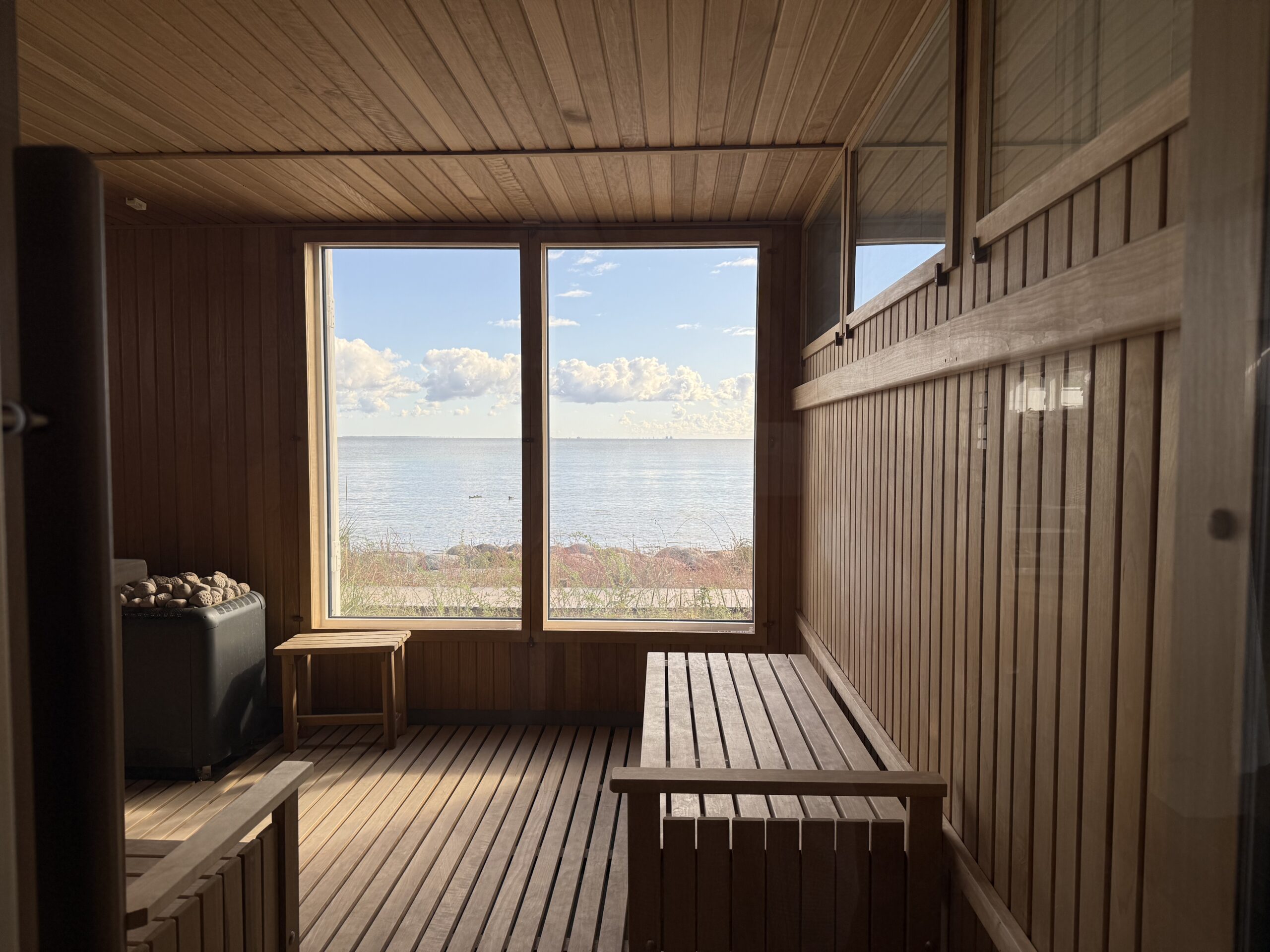
Picture this: the wind off the water is sharp, your breath hangs in the air, and your shoulders are tight from another long day. You step into a cedar-lined room where heat wraps around you like a heavy blanket. Your muscles loosen. Your breathing slows. Time stretches. This is not just sweat—it’s an ancient ritual of fire and water that has restored people for centuries.
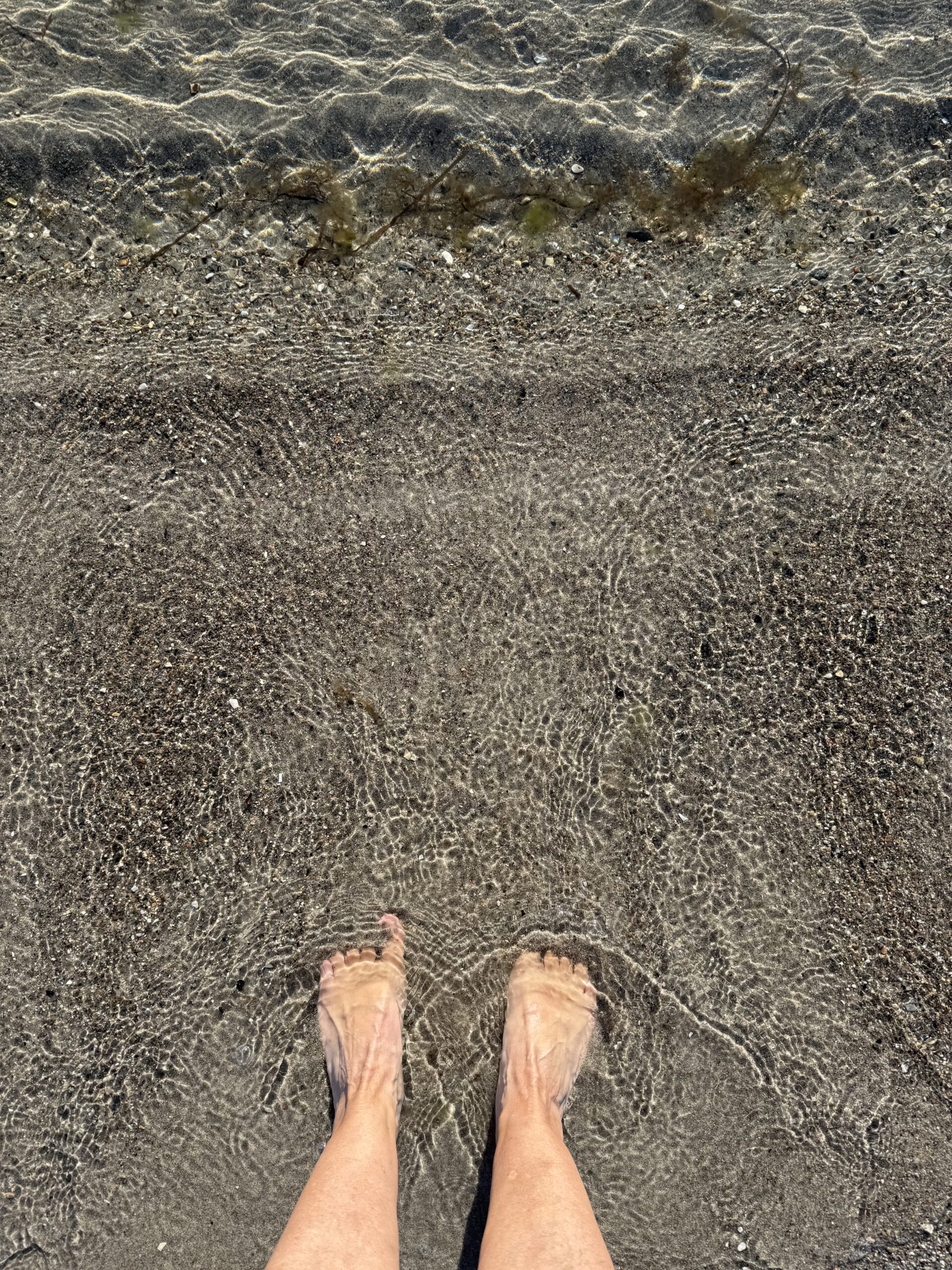
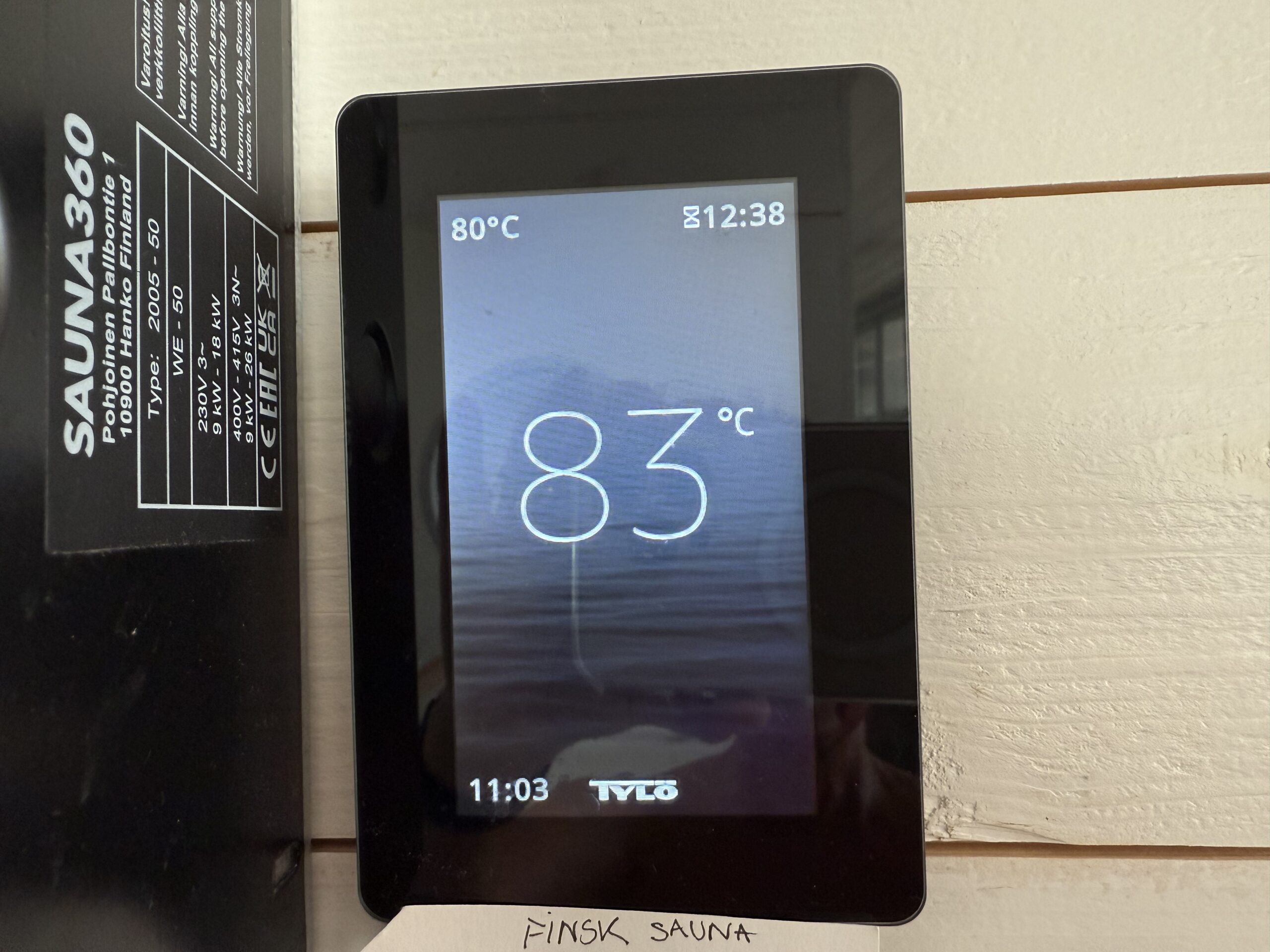
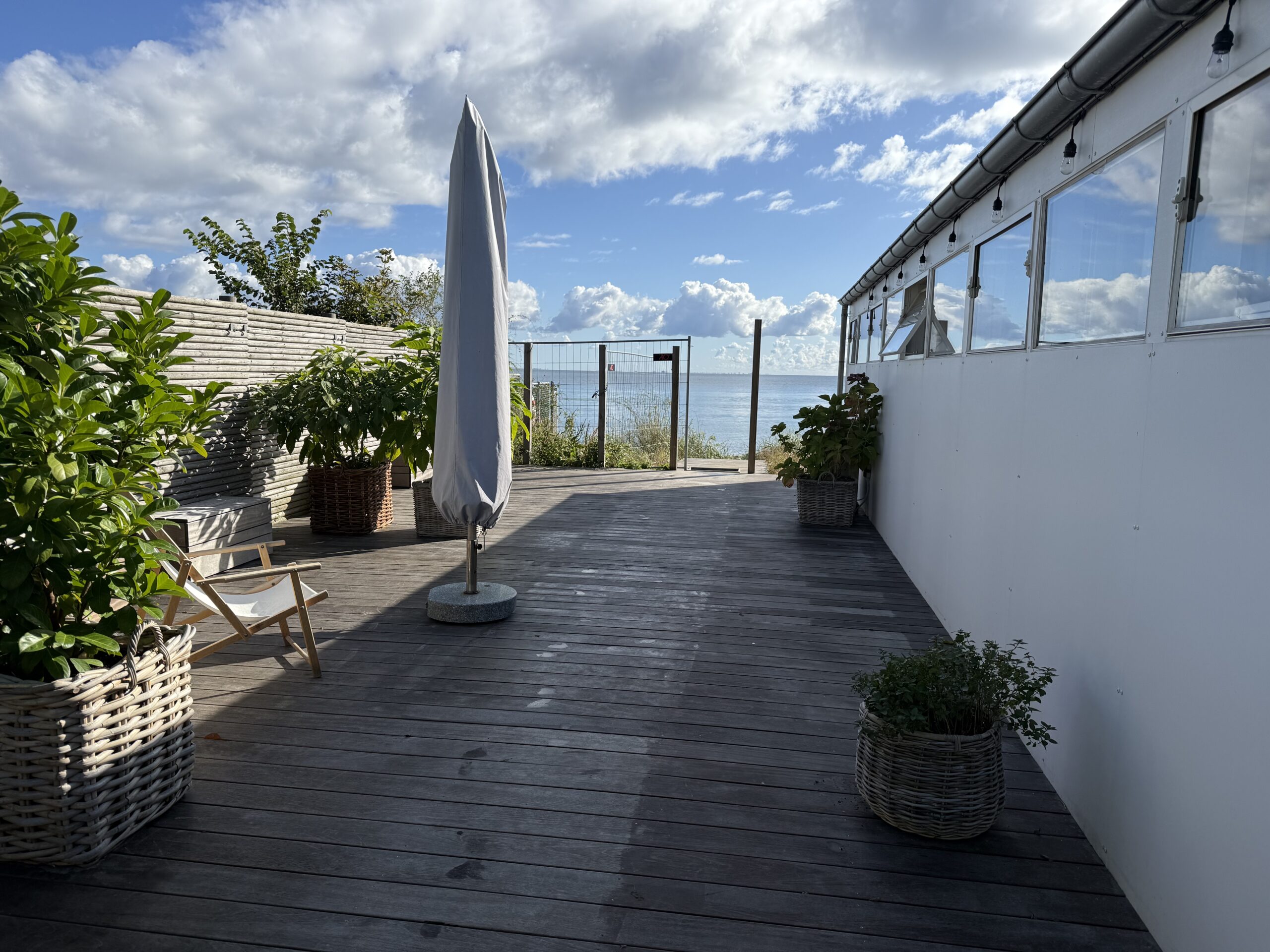
I live in Charlottenlund, Denmark, right on the shoreline. Most mornings I walk the beach and pass the Temple Sea Bath, where both a classic Finnish sauna and infrared cabins sit a few steps from the sand. After my operation, the heat-then-cold rhythm became medicine: I warm up in the sauna, then I take a cold plunge in the Østersøen when I can. Some days it’s only a few breaths in icy water; other days it’s longer. Either way, I come out clear, grounded, and grateful. Sauna is my reset button — and on days when I can’t make it to the bathhouse, an at-home infrared sauna blanket lets me recreate a gentler version of that deep, quiet heat on my own schedule.
This article is a human guide to sauna: part story, part science, part how-to. Whether you visit a public sauna, install one at home, or combine it with cold water and beach walks like I do, you can turn heat into a life-giving ritual—not an occasional spa treat, but a habit that supports your heart, your mood, and your everyday resilience.
The Roots of the Sauna: Culture, Community, Continuity
Long before “biohacking” and boutique wellness, people gathered in hot rooms to cleanse, think, pray, and connect. The Finnish word sauna names a tradition so embedded in daily life that for many Finns it feels like a birthright. There are said to be millions of saunas in Finland—by lakes, in apartments, on rooftops, and in back gardens. Historically, the sauna was a multi-purpose sanctuary: a place to give birth, to wash, to recover from illness, and to prepare the dead for burial. Heat and steam made the room sterile; ritual made it sacred.
Other cultures discovered their own versions of heat therapy:
- Banya in Russia and the Baltics—hot steam with birch twigs to stimulate circulation.
- Hammam across the Middle East and North Africa—stone, steam, soap, and social life.
- Sentō/Onsen in Japan—communal bathing and mineral springs that bind communities.
- Sweat lodges among many Indigenous peoples—ceremonial, prayerful, and purifying.
Common threads run through these traditions: heat softens the body, community softens the mind, and the transition back into cool air (or cold water) refreshes the spirit. When you step into a sauna today, you tap into that same continuity—an unbroken line of humans who understood that warmth can heal.
Why the Sauna Feels Different: What Your Body Knows
Heat as a Gentle Stressor
Sauna is a controlled stressor, like exercise. Your core temperature rises, your heart rate climbs, and blood vessels widen to move heat away from the core. Many people reach heart-rate levels similar to a brisk walk or light jog without moving at all.
Muscles, Fascia, and the Relief of Warmth
Warm tissue is supple tissue. Heat makes collagen-rich structures more compliant for a short window, which is why gentle stretching between sauna rounds feels so good.
The Nervous System Shift
Inside the heat, your breath slows and lengthens. The vagus nerve—the great calming highway—gets a signal that you are safe. Sauna gives you a reliable off switch.
Contrast: Heat Meets Cold
The ritual of contrast—heat followed by cold—amplifies these effects. Blood vessels constrict, the nervous system wakes up, and mood-lifting neurotransmitters spike. The combination is greater than either alone: heat unravels tension; cold sharpens focus.
The Science: What Research Suggests (Plain Language)
Heart and Blood Vessels
Large Finnish studies link frequent sauna use to reduced cardiovascular mortality. Heat trains vessels, lowers blood pressure, and gently exercises the heart.
Brain, Mood, and Sleep
Heat exposure increases endorphins, reduces stress, and helps sleep quality thanks to a drop in core body temperature post-session.
Immune System Support
Sauna mimics a mild fever. Heat shock proteins rise, white blood cells mobilize, and immune tone improves.
Performance and Recovery
Athletes use sauna to reduce soreness, expand plasma volume, and build resilience.
Detox Myths Clarified
Sweat removes tiny amounts of toxins, but real detox happens in the liver and kidneys. Sauna’s biggest “detox” is stress release.
Make Sauna Your Modern Lifestyle Tool
Formats to Choose From
- Finnish sauna: dry heat, bursts of steam.
- Infrared sauna: lower temps, deep warmth, compact.
- Steam rooms: moist, soothing for the lungs.
- Hybrid models: mix of infrared and traditional.
A Simple Ritual Template
- Hydrate and set intention.
- Round 1: 6–10 min.
- Cool down: fresh air, shower, or cold dip.
- Round 2: 8–12 min.
- Cool down again.
- Optional Round 3: 5–10 min.
- Rehydrate and rest.
Real Stories
The Runner
She uses sauna post-run for recovery. Better sleep, less soreness.
The Parent
Two evenings a week, sauna is the only quiet time. It resets patience and calm.
A Seaside Routine in Denmark
I walk the Charlottenlund beach, alternate Finnish and infrared sauna, then plunge briefly in the Østersøen. This rhythm supported my recovery and still grounds me today.
Safety and Mindful Practice
- Start small, build gradually.
- Hydrate and add electrolytes if sweating heavily.
- Avoid big meals before sauna.
- Caution with heart conditions, pregnancy, fever, or medications.
- Listen to your body: if dizzy, step out.
Make It a Habit
- Anchor sauna to existing routines (walks, workouts, evenings).
- Keep it sacred: no phones, one clear intention.
- Cold is optional — even 30 seconds helps.
FAQ
- How often? 2–4 times per week is common.
- Cold plunge required? No, optional.
- Infrared vs traditional? Both effective.
- Weight loss? Only indirectly (sleep, recovery).
- Skin benefits? Improved circulation, glow.
- Post-surgery? Ask your doctor — I found sauna supportive but went slowly.
Common Mistakes
- Going too hot, too fast.
- Skipping cool down.
- Forgetting water.
- Talking too much.
- Bringing phones inside.
A Week of Sauna: Sample Plans
- Gentle Start: 1 round Mon, 2 rounds Wed, 2 rounds Sat.
- Training Support: 2–3 rounds Tue/Thu post-workout, 2 rounds Sun.
- Stressful Week: 2 gentle rounds on two evenings.
A Local Note from Charlottenlund
At the Temple Sea Bath, the rhythm of waves sets the tempo. Some mornings I watch the sky change as heat builds around the stones, then step out to meet the wind and plunge briefly in the sea. Even short moments like this restore balance and remind me that slowing down is medicine in itself.
Final Invitation
Start where you are. A single ten-minute round this week counts. If you have access to an infrared cabin, try it. If you can sit in a Finnish sauna beside a friend, even better. If a cold plunge calls to you, answer with gentleness.
Turn the practice into a rhythm you look forward to, like your favorite walk or your first cup of tea. When you do, sauna stops being an event and becomes part of who you are.
Follow us on social Facebook
Also Know About:
The Science Behind Grounding: How Connecting To The Earth Benefits Your Health
Using Smart Scales To Track Your Weight And BMI
How Smart Health Devices Can Improve Your Daily Life