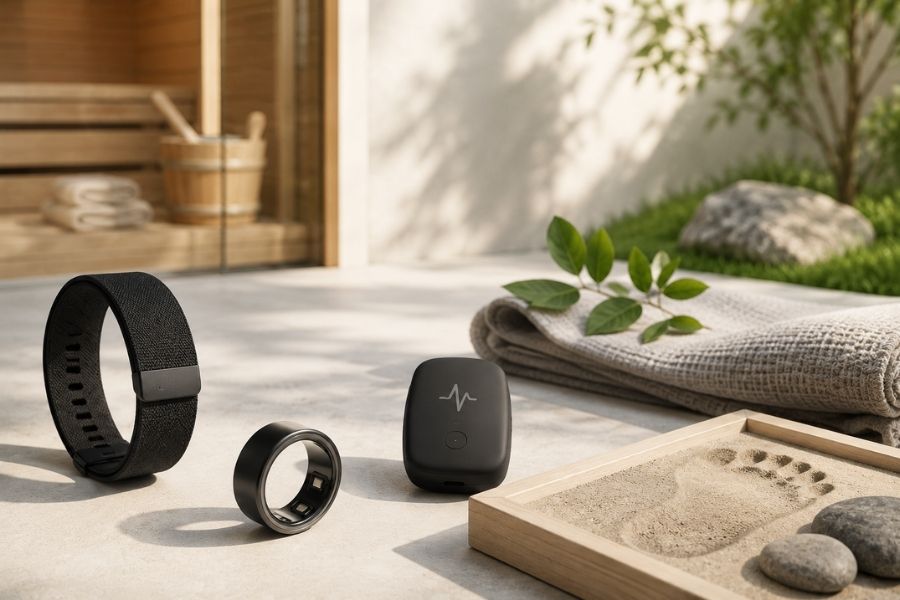
Recovery tech can be incredibly useful.
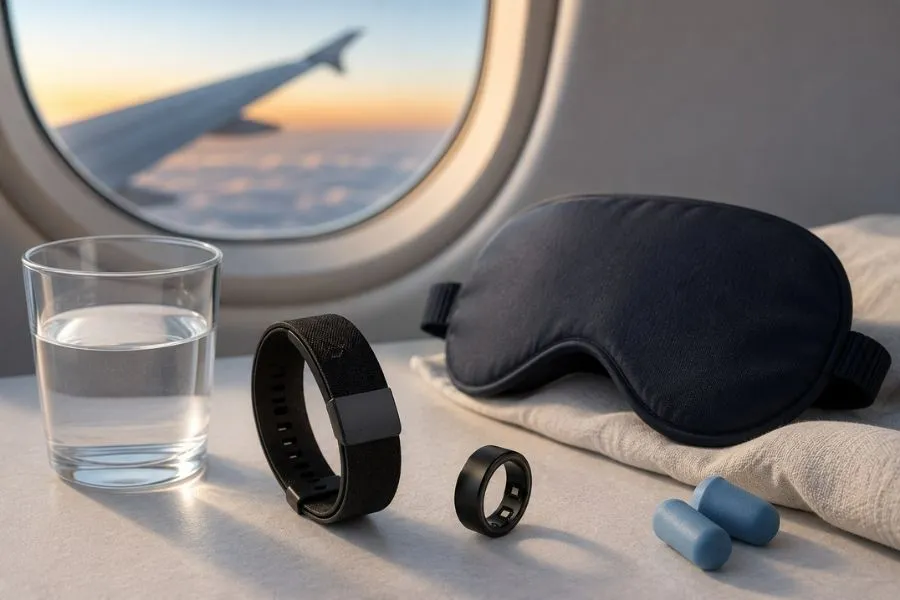
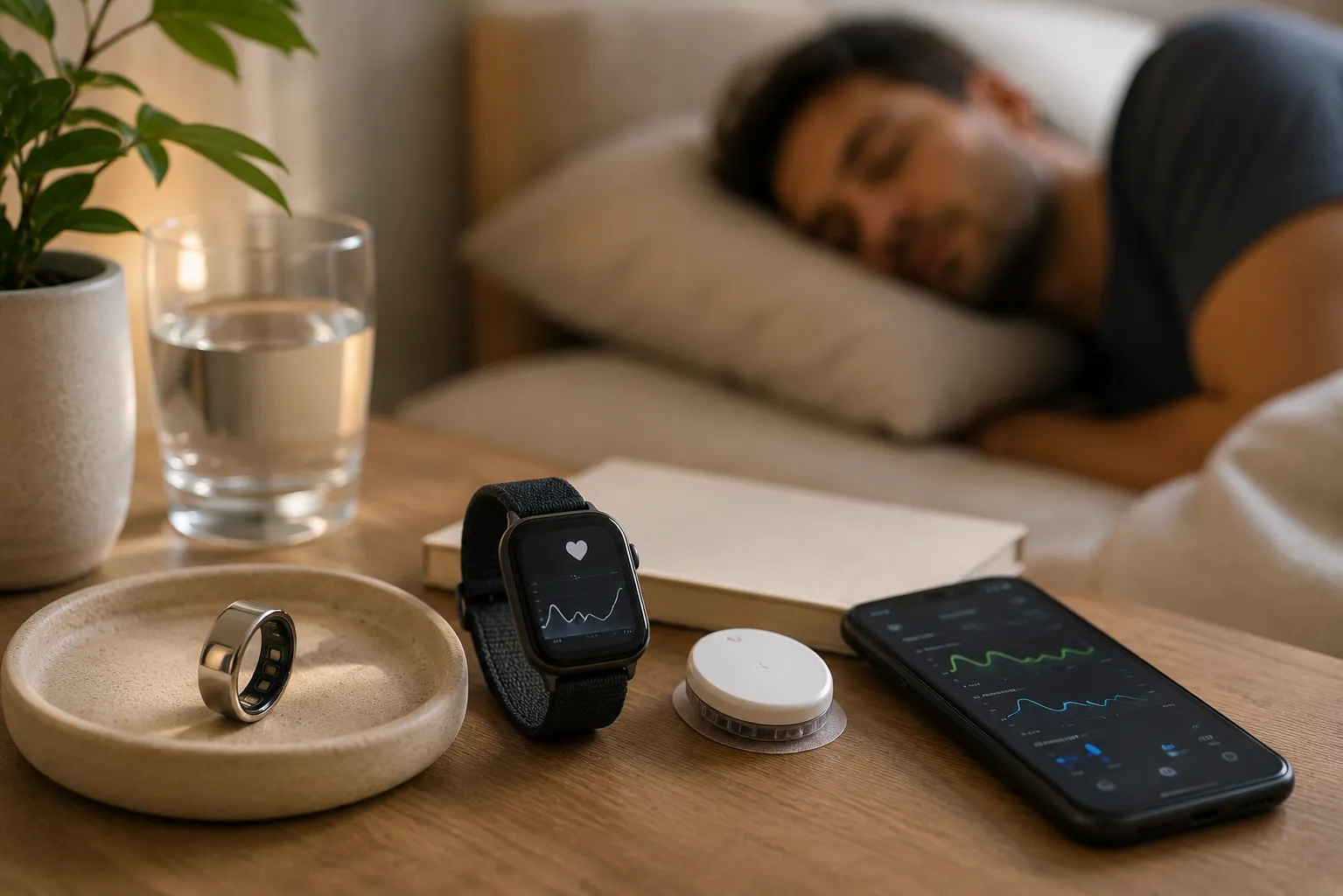
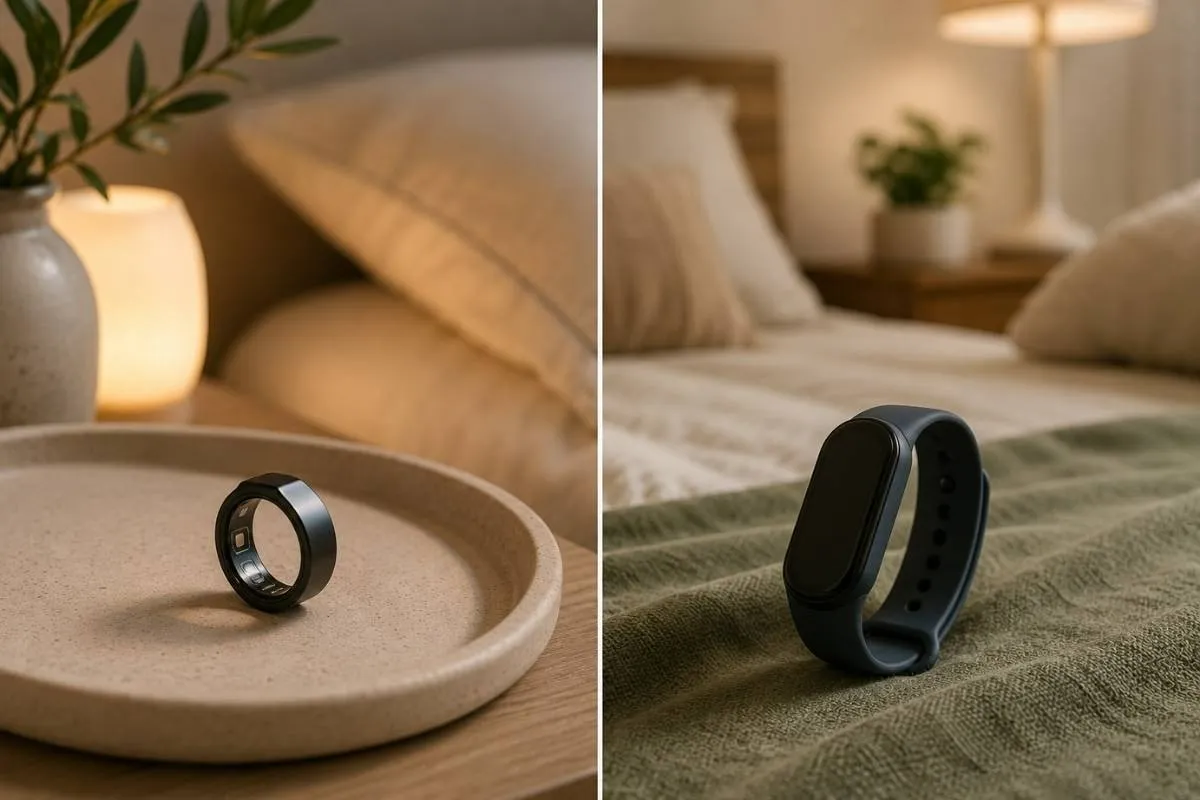
A smart ring can show sleep and readiness patterns.
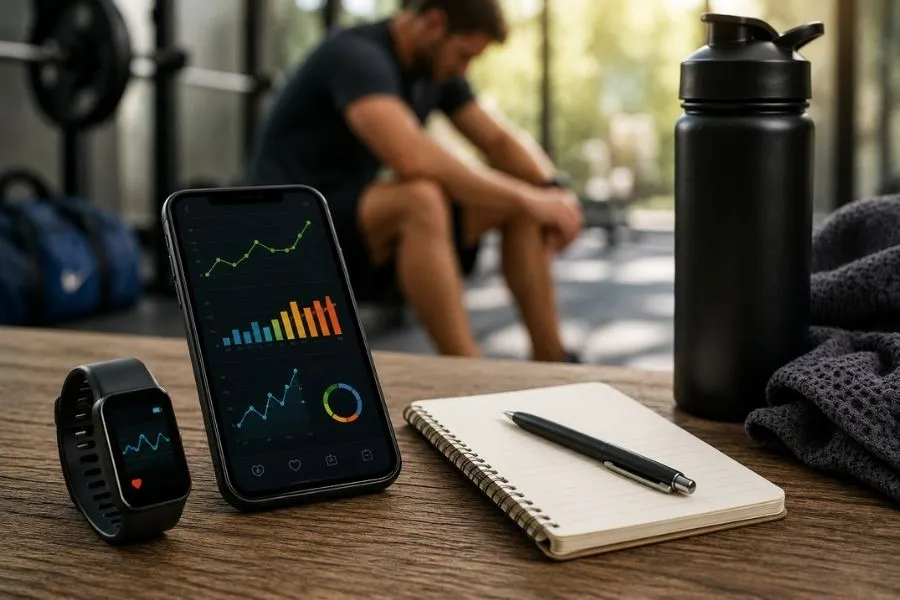
A recovery band can help you understand strain and recovery.
Apollo Neuro may help some users create a calming nervous system routine.
Sauna can support heat exposure, relaxation, and cardiovascular adaptation.
Grounding may be worth experimenting with for sleep comfort and soreness.
But more recovery tools do not automatically mean better recovery.
The goal is not to use every device every day. The goal is to know what each tool is for, when to use it, and when your body actually needs less input.
This guide gives you a simple recovery stack framework for combining Oura, WHOOP, Apollo Neuro, sauna, grounding, and other recovery habits without turning recovery into another source of pressure.
Quick Answer
The best recovery stack starts with one primary tracker, such as Oura or WHOOP, and then adds one or two supportive tools based on what your body actually needs. Oura and WHOOP are best used for tracking patterns in sleep, HRV, readiness, strain, and recovery. Apollo Neuro is better understood as a calming support tool, not a primary tracker. Sauna is a heat stress tool that may support relaxation and cardiovascular adaptation, but it is still a stressor. Grounding is a gentle recovery experiment with early research, but the evidence is still more limited than for sleep, food, hydration, and training load.
The best rule is simple:
Measure first. Regulate second. Restore third.
Do not stack five recovery tools on top of an already stressed body. Use the few tools that help you sleep better, recover deeper, and feel calmer.
At a Glance: What Each Recovery Tool Is For
| Tool | Main Role | Best Use | What to Avoid |
| Oura Ring | Measures sleep and readiness | Sleep, HRV, temperature, readiness trends | Letting one score decide your day |
| WHOOP | Measures strain and recovery | Training load, recovery zones, sleep need | Letting the app replace body awareness |
| Apollo Neuro | Helps regulate the nervous system | Wind-down, stress support, calming routines | Expecting it to fix poor sleep habits |
| Sauna | Adds controlled heat stress | Relaxation, heat adaptation, circulation support | Using it when dehydrated or depleted |
| Grounding | Gentle passive recovery layer | Rest, sleep comfort, soreness experiment | Treating early evidence as certainty |
| Breathwork | Free nervous system reset | Stress, sleep preparation, recovery breaks | Making it complicated |
| Sleep, food, hydration | Foundation | True restoration | Replacing basics with gadgets |
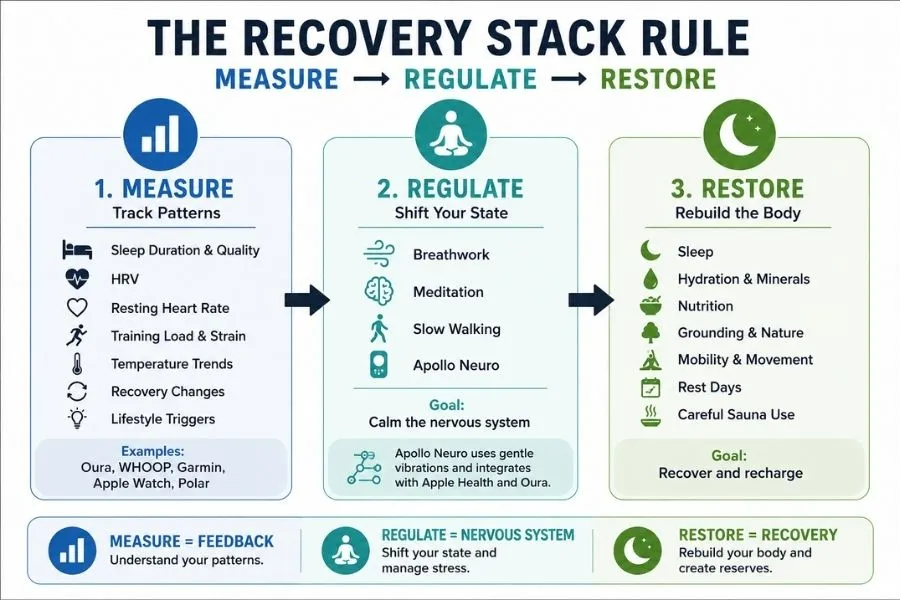
The Recovery Stack Rule: Measure, Regulate, Restore
A good recovery stack should have three clear jobs.
1. Measure
This is where tools like Oura, WHOOP, Apple Watch, Garmin, and Polar fit.
They help you notice patterns in:
- Sleep duration
- Sleep quality
- HRV
- Resting heart rate
- Training load
- Strain
- Temperature trends
- Recovery changes
- Lifestyle triggers
Oura describes its Readiness Score as a measure of how balanced your recovery and activity are, based on sleep quality, body signals, and activity levels. WHOOP describes its platform as measuring sleep, strain, stress, recovery, and related health metrics to provide guidance.
This is the feedback layer.
2. Regulate
This is where tools like Apollo Neuro, breathwork, meditation, slow walking, and evening light reduction fit.
These tools are not mainly about measuring. They are about helping your nervous system shift state.
Apollo Neuro describes its wearable as using touch therapy through gentle vibrations, and says it can integrate with Apple Health and Oura in the app settings.
This is the nervous system layer.
3. Restore
This is where sleep, food, hydration, minerals, low-intensity movement, grounding, mobility, rest days, and careful sauna use fit.
This layer should rebuild the body, not create another performance test.
This is the recovery layer.
Start With the Foundation Before the Gadgets
Before adding more recovery tools, make sure the basics are not missing.
A recovery stack cannot fully compensate for:
- Too little sleep
- Too much HIIT
- Too little protein
- Poor hydration
- Not enough minerals
- Too much alcohol
- Chronic stress
- Late meals every night
- No easy movement
- No true rest days
If the foundation is weak, adding more devices can create more monitoring, not more recovery.
The most advanced stack still starts with the basics: sleep, food, hydration, daylight, movement, and stress reduction.
Choose One Source of Truth
A recovery stack becomes stressful when every device wants to be the coach.
Oura says one thing.
WHOOP says another.
Apple Watch adds more numbers.
Apollo has its own app.
Sauna, grounding, sleep, HRV, strain, readiness, and recovery all become separate signals.
That can create digital noise.
The simplest solution is to choose one primary recovery dashboard as your source of truth.
For many people, that may be Oura for sleep and readiness, or WHOOP for strain and recovery. Oura’s Readiness Score is built around recovery and activity balance, while WHOOP’s recovery system uses color zones to communicate recovery status.
A cleaner setup could look like this:
- Oura or WHOOP as the main recovery tracker
- Apollo Neuro used quietly for wind-down or stress support
- Sauna scheduled intentionally, not added reactively
- Grounding used as a gentle passive layer
- Notifications reduced or turned off where possible
The best recovery stack should make your body easier to understand, not harder.
How to Use Oura or WHOOP in the Stack
Oura and WHOOP should be the feedback layer.
Use them to ask:
- Did my sleep improve?
- Did my resting heart rate go up?
- Did HRV drop after hard training?
- Did sauna help or drain me?
- Did Apollo improve my wind-down routine?
- Did grounding change sleep comfort or soreness?
- Did I recover better after easier training?
- Did late meals or alcohol affect readiness?
Oura is especially useful for sleep, temperature trends, readiness, and overnight recovery. WHOOP is especially useful for strain, recovery, sleep need, and training load guidance.
The tracker should help you see patterns. It should not become the thing you obey without thinking.
When to Add Apollo Neuro
Apollo Neuro fits best when the problem feels more nervous system based than muscle based.
Use it when you feel:
- Wired but tired
- Mentally overloaded
- Restless before bed
- Stressed after work
- Too activated after training
- Unable to settle into sleep
- Calmly awake, but not relaxed
A simple Apollo routine could be:
| Situation | Possible Use |
| Before sleep | Wind-down session |
| After stressful work | Relaxation session |
| During meditation | Gentle calming cue |
| After intense training | Recovery support if it feels soothing |
| During travel | Calming routine before rest |
Do not treat it as a miracle device. Treat it as a signal to the nervous system that it is time to downshift.
When to Use Sauna
Sauna can be powerful, but it should be respected.
Regular dry sauna bathing has been studied for possible cardiovascular and health-related effects, but reviews also note that stronger data is still needed on frequency, safety, and the full range of effects.
Use sauna when:
- You are hydrated
- You have eaten enough
- You want relaxation
- You tolerate heat well
- You have time to cool down before sleep
- You are not already depleted
- Your body feels better afterward
Be cautious with sauna when:
- You feel dizzy
- You are dehydrated
- You are ill
- Your resting heart rate is elevated
- You feel weak or shaky
- You are already heat-stressed
- You are forcing it after a hard workout
A 2025 study found that adding regular post-exercise sauna bathing did not improve HRV beyond regular exercise alone. That does not mean sauna is useless. It means sauna should not be treated as a guaranteed HRV booster for everyone.
The Recovery Paradox
Some recovery tools are not pure rest.
Sauna, cold exposure, intense breathwork, hard training, and aggressive recovery routines can act as hormetic stressors. They may be beneficial when the body has enough capacity to adapt, but they are still stress inputs.
That is the recovery paradox.
The tool that helps you on a strong day may drain you on an overloaded day.
If your Oura or WHOOP data is poor and your body also feels heavy, wired, depleted, inflamed, or under-fueled, the best recovery choice is usually not more heat, more cold, more tracking, or more interventions.
It is restoration:
Sleep.
Food.
Hydration.
Minerals.
Gentle walking.
Lower training intensity.
Less stimulation.
Elite recovery is knowing when to add a tool and when to remove one.
When to Use Grounding
Grounding, also called earthing, means connecting the body to the earth directly or through grounding products.
This can include:
- Barefoot time outside
- Grounding mats
- Grounding sheets
- Grounding footwear
- Resting outside on natural ground
The evidence is still developing. A 2019 study on grounded sleeping after intensive eccentric exercise reported faster recovery or less pronounced markers of muscle damage and inflammation, but this remains a small research area and should not be overstated.
Grounding may be worth trying if it feels calming, simple, and safe.
Use it as a low-pressure experiment:
- During evening reading
- During meditation
- On a rest day
- After screen-heavy work
- After training if it feels soothing
- During sleep if the product is comfortable and safe
Track your own response. If sleep, soreness, or calmness improves, it may be useful for you. If nothing changes, do not force it.
The What to Use When Framework
This is the practical part of the stack.
| Your State | Best First Move | Optional Tool |
| Low recovery, heavy body | Sleep, food, hydration, easy walk | Skip extra stress tools |
| Wired but tired | Breathwork, low light, calm evening | Apollo Neuro |
| Heavy legs | Easy walk, mobility, protein, minerals | Sauna if hydrated |
| Mentally stressed | Walk, breathing, reduce screens | Apollo or grounding |
| Rest day | Gentle movement, early bedtime | Grounding or sauna |
| Good recovery, strong body | Train as planned | Track response |
| Poor sleep | Lower intensity, protect bedtime | Apollo, no late sauna |
| High training block | Prioritize food, sleep, deload planning | Use tracker trends |
This keeps the stack from becoming random.
Do Not Stack Stress on Stress
This is the biggest mistake.
When recovery is low, many people add more:
More sauna.
More cold exposure.
More tracking.
More supplements.
More apps.
More self-monitoring.
But if the body is already depleted, the best recovery tool may be less stimulation.
Low recovery plus a tired body usually means:
- Earlier sleep
- More hydration
- More minerals
- More calories if under-fueled
- Easy walking
- Gentle mobility
- Lower training intensity
- Fewer devices
- Less checking
Elite recovery is not always doing more. Often, it is removing the next unnecessary stressor.
A Simple Weekly Recovery Stack
Here is a clean weekly structure.
| Day Type | Recovery Stack |
| Normal training day | Oura or WHOOP plus normal sleep routine |
| Hard training day | Tracker plus hydration, food, easy walk, early bedtime |
| Stressful work day | Tracker plus Apollo or breathwork |
| Sauna day | Hydration, minerals, gentle cooldown, no overdoing |
| Rest day | Walk, grounding if desired, early bedtime |
| Poor sleep day | Lower training intensity, no aggressive recovery stack |
| Wired evening | Apollo, low light, no late data checking |
The Zero Toxic Load View
At Healthy Home Upgrade, recovery tech belongs inside a Zero Toxic Load framework.
That means the stack should reduce total load, not add more.
Total load includes:
- Physical stress
- Training stress
- Heat stress
- Mental stress
- Screen stress
- Data anxiety
- Poor sleep
- Chemical load
- Sensory overload
A good recovery stack should help you feel more regulated, not more monitored.
Ask:
- Does this tool help me sleep better?
- Does it make me calmer?
- Does it improve my recovery trend?
- Does it make training decisions easier?
- Can I use it without becoming obsessive?
- Can I skip it without feeling anxious?
If the answer is yes, the tool may be useful.
If the tool creates pressure, simplify.
Best Internal Links to Read Next
If you are building a recovery stack, read these related guides next:
- Best Sleep Tracking Ring
- Best Sleep Tracker
- WHOOP vs Oura
- Apollo Neuro Review
- Grounding Products
- Best Infrared Sauna Blanket
- Best Sleep Tracker Settings for Sensitive Nervous Systems
- How Athletes Should Interpret HRV and Recovery Scores
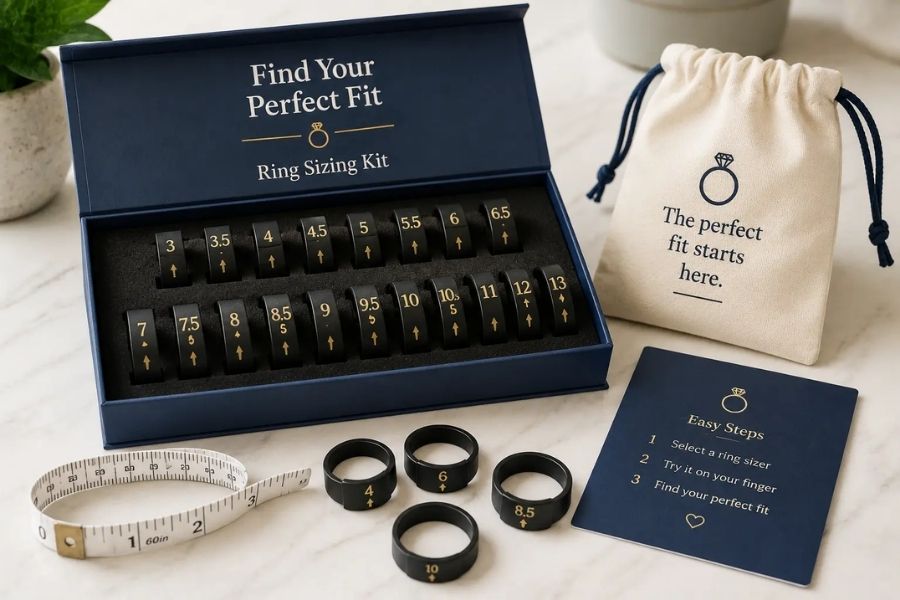
- Ring Sizing, Metals, and Allergies
These guides help you compare the tools, understand the data, and choose the recovery stack that fits your body.
Final Thoughts
A recovery stack should have a purpose.
Use Oura or WHOOP to measure.
Use Apollo Neuro or breathwork to regulate.
Use sauna carefully as a heat tool.
Use grounding as a gentle experiment.
Use sleep, food, hydration, minerals, and low-stress movement as the foundation.
The best recovery stack is not the biggest one.
It is the one you can repeat, understand, and trust without turning wellness into another source of pressure.
References and Further Reading
- Oura Readiness Score and recovery guidance.
- Oura Readiness Score ranges and interpretation.
- WHOOP sleep, strain, stress, and recovery features.
- WHOOP Recovery score color zones.
- Apollo Neuro touch therapy and Apple Health and Oura integration information.
- Clinical effects of regular dry sauna bathing.
- Post-exercise sauna bathing and HRV findings.
- Grounded sleeping and recovery after intensive eccentric muscle loading.