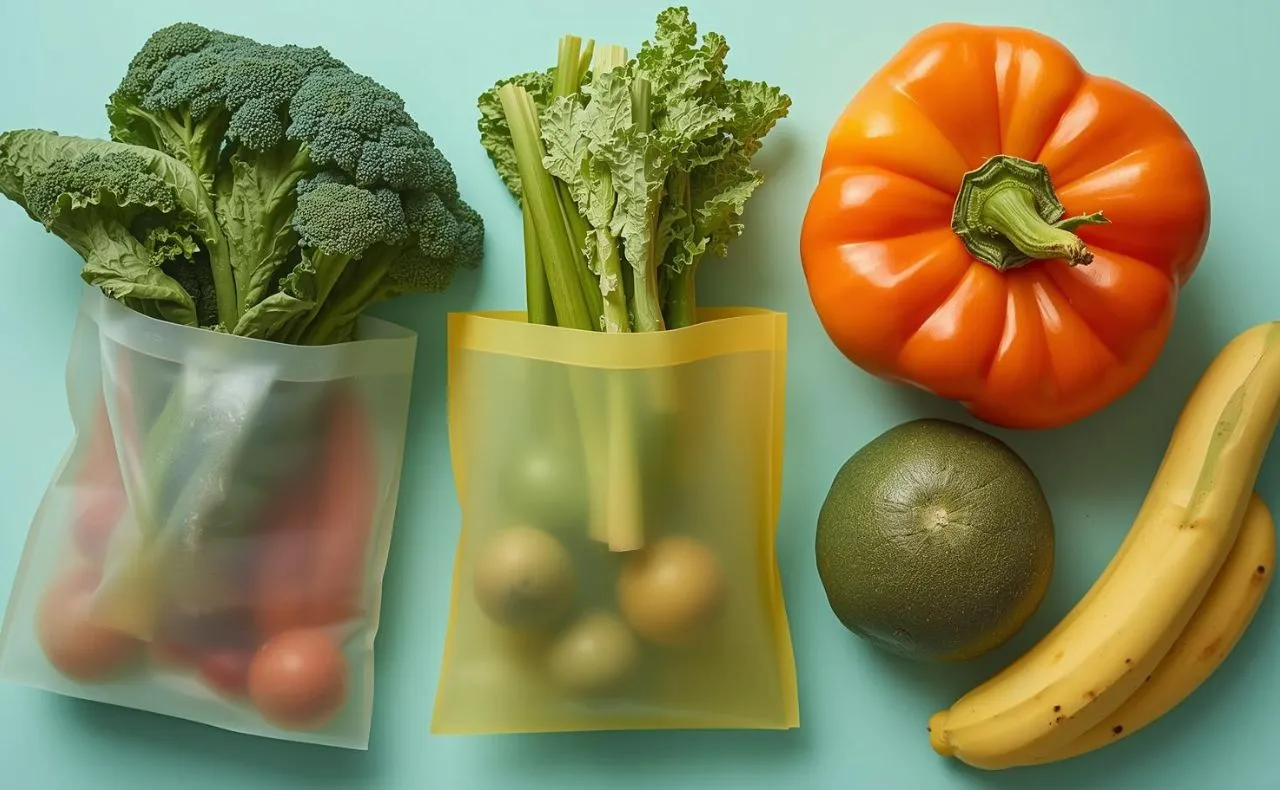
If you are looking for Stasher alternatives, you probably want a reusable food bag that feels genuinely safe, cleans well, and does not turn into a forever-garlic sponge after one messy meal. Here is my non-toxic stance from the start: silicone can be a smart tool, but it is not the safest option for every use. Silicone tends to interact more with fats and strong flavors than glass does, and stubborn odors are often a clue that something is bonding to the material. For hot, oily leftovers, I still treat glass as the default and lean on stainless steel for pieces like ice trays that live in the freezer and touch water for hours. If you are upgrading that part of your setup too, this guide to the best stainless steel ice cube trays covers options that freeze cleanly without adding more plastic to your routine.
Disclosure: This page may earn a commission from qualifying purchases at no extra cost to you.
My quick take
- If you want the closest “Stasher-like” experience with a dependable seal, choose Stasher.
- If you want easier cleaning with fewer hard-to-scrub corners, consider Zip Top.
- If you want something that is typically easier to buy in Europe, Lékué is often the simplest starting point.
Top Picks and Jump to Review
Jump to:
- Stasher
- Zip Top
- Lékué
- W and P Porter
- GIR
- Bumkins (snack bags)
- Bee’s Wrap (plastic free wrap alternative)
- Glass containers (best for heat plus fat)
- Stainless steel containers (best for travel)
At a glance
When a reusable bag claims “food safe,” I care less about the label and more about what happens in real life: fats, heat, smells, and cleaning.
| Option | Best for | Avoid if | Non toxic note |
| Stasher | everyday cold storage, freezer packs, snacks | you want zero smell retention | silicone is fine for smart use, not my first choice for hot oily foods |
| Zip Top | easy cleaning, fridge organization | you need ultra flat travel storage | fewer seams can mean fewer hygiene issues |
| Lékué | Europe-friendly shopping, everyday storage | you mainly store oily leftovers | silicone limitations still apply |
| W and P Porter | wide opening, easy filling | you need guaranteed leakproof liquids | test with water before trusting for soups |
| GIR | simple silicone bag style | you avoid silicone with fats and heat | keep use cold or dry for best safety |
| Bumkins snack bags | dry snacks, school food | liquids and oily meals | fabric style bags can reduce odor issues |
| Bee’s Wrap | covering bowls, bread, produce | airtight liquids | great plastic free swap, not a bag |
| Glass Lock Oven | leftovers, sauces, reheating | you want lightweight travel | safest default for heat and fat |
| Stainless steel | travel lunch kits | microwave reheating | excellent for on-the-go, not microwave safe |
The simple rule I actually use
If you want the safest system without overthinking:
- Cold storage and dry snacks: silicone bags can be fine if you buy quality and clean them properly.
- Hot leftovers or fatty foods: use glass.
- Microwaving fats in silicone: I do not recommend it as a “non toxic default.” If you still do it, keep it short, lower power, and do not do it daily.
Full Reviews: The best Stasher alternatives
1) Stasher
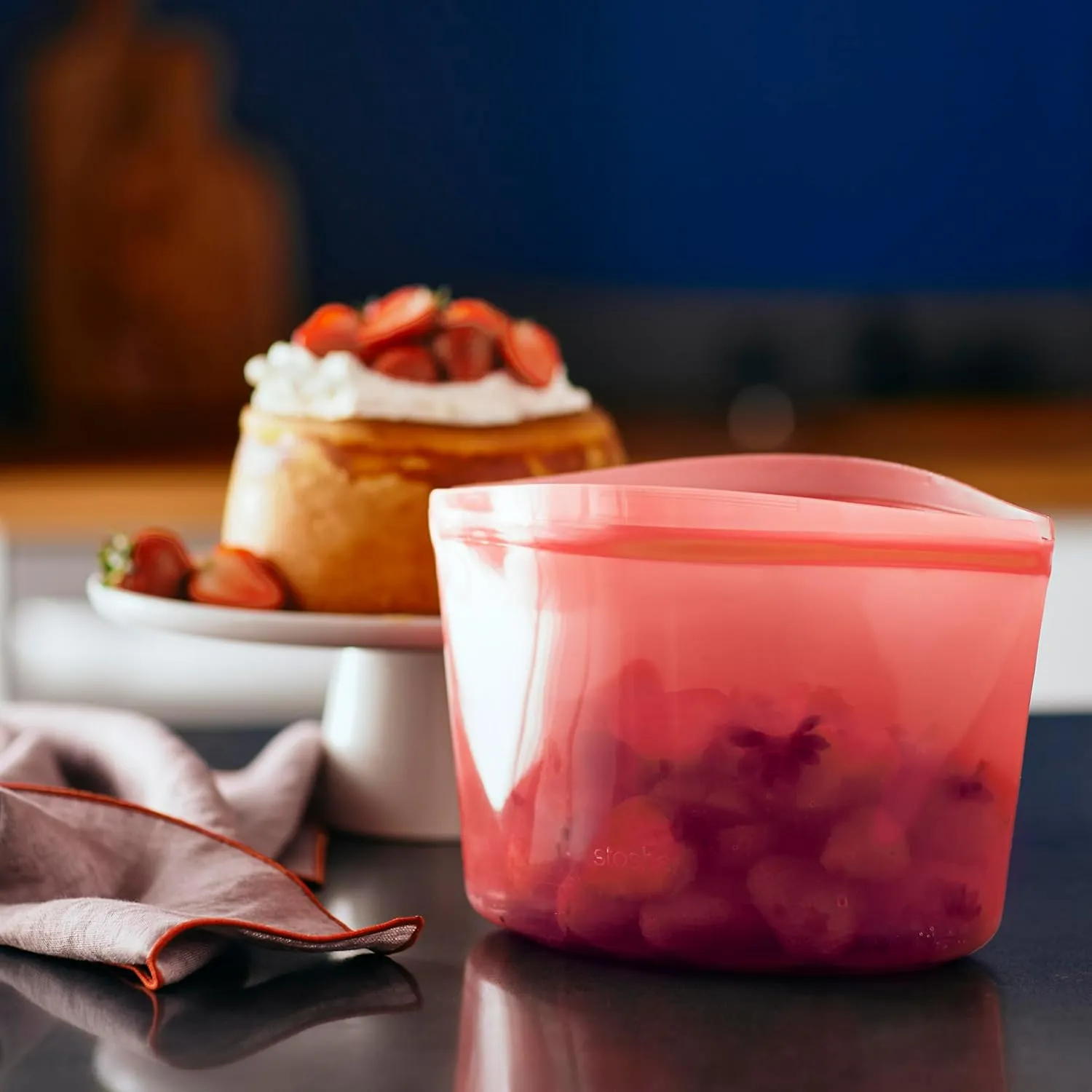
Why it’s a top pick: Stasher is still the most familiar standard for a reason. The seal is usually reliable, the bag feels sturdy, and it works for the most common use cases.
Best for: fruit, cut veggies, snacks, freezer smoothie packs, cooked grains after cooling, pantry storage.
Weaknesses (real world):
- Odors can cling, especially after oily or strongly flavored foods.
- Corners can hold residue if you do not turn it inside out while washing.
Who should avoid this:
If you want the lowest possible interaction with food compounds, especially fats and heat, go glass for those meals instead of trying to make silicone do everything.
Real world use scenario:
You prep a week of berries, nuts, and chopped veggies. Stasher is easy and convenient for that. For a hot oily curry leftover, use glass.
Need rigid protection for meal prep? Upgrade to the best glass food storage containers.
2) Zip Top
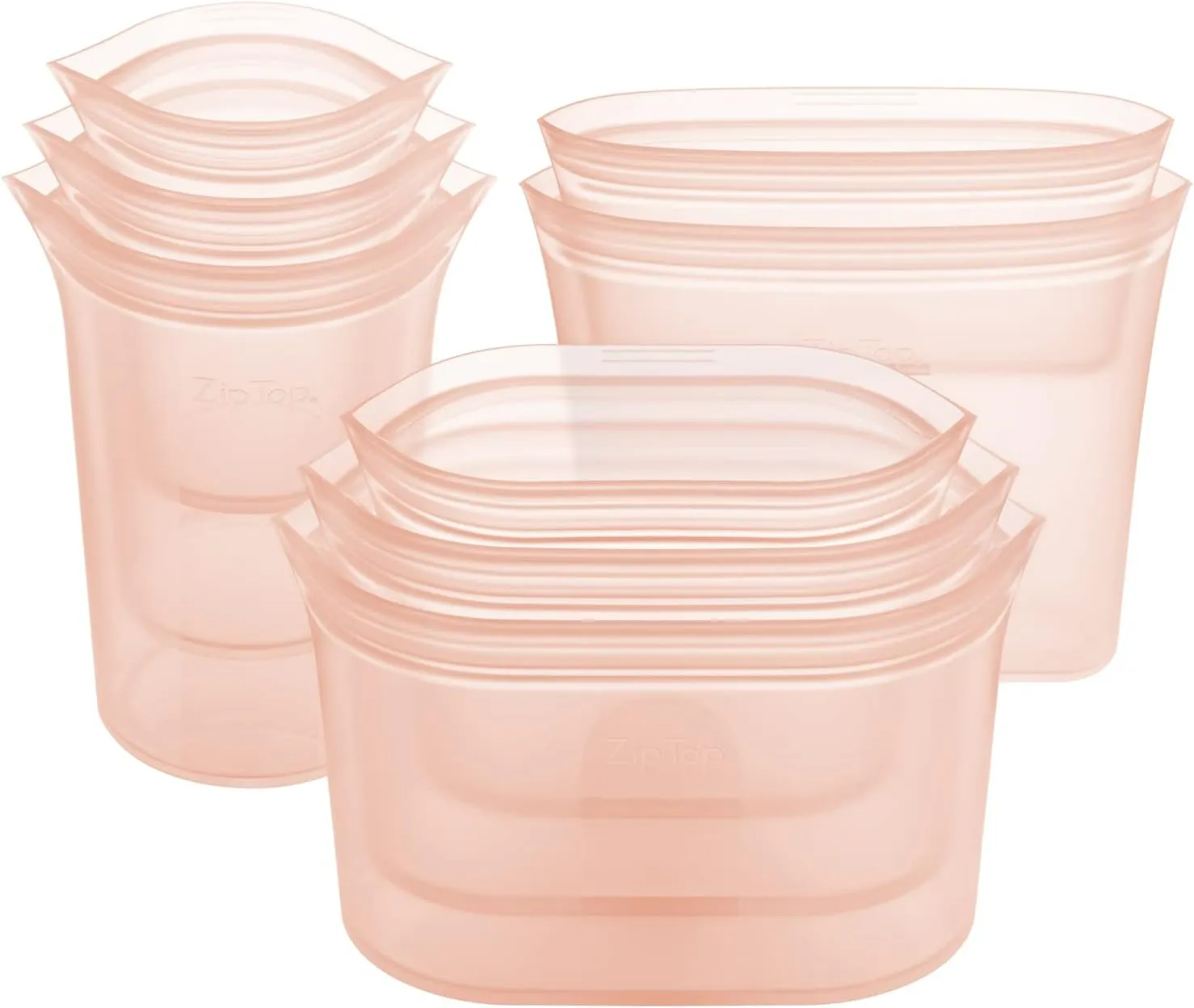
Why it’s a top pick: Zip Top’s appeal is the structure and the “simpler build” idea. Fewer complex closures often means fewer places for residue, and some people find these easier to clean consistently.
Best for: fridge organization, snack prep, freezer storage, standing bags that stay open while filling.
Weaknesses:
- Bulkier than flat bags.
- Not always the best for tight drawer storage.
Who should avoid this:
If you need flat, packable bags for travel, you may prefer a flatter silicone bag style.
Real world use scenario:
You store cut cucumber, carrots, and grapes for quick snacks. The wide opening makes it easier to wash thoroughly, which is part of non toxic living too.
Check the latest price on Amazon
Chop ingredients safely before bagging: discover best non-toxic cutting boards in 2026 – safest materials for healthy kitchens.
3) Lékué
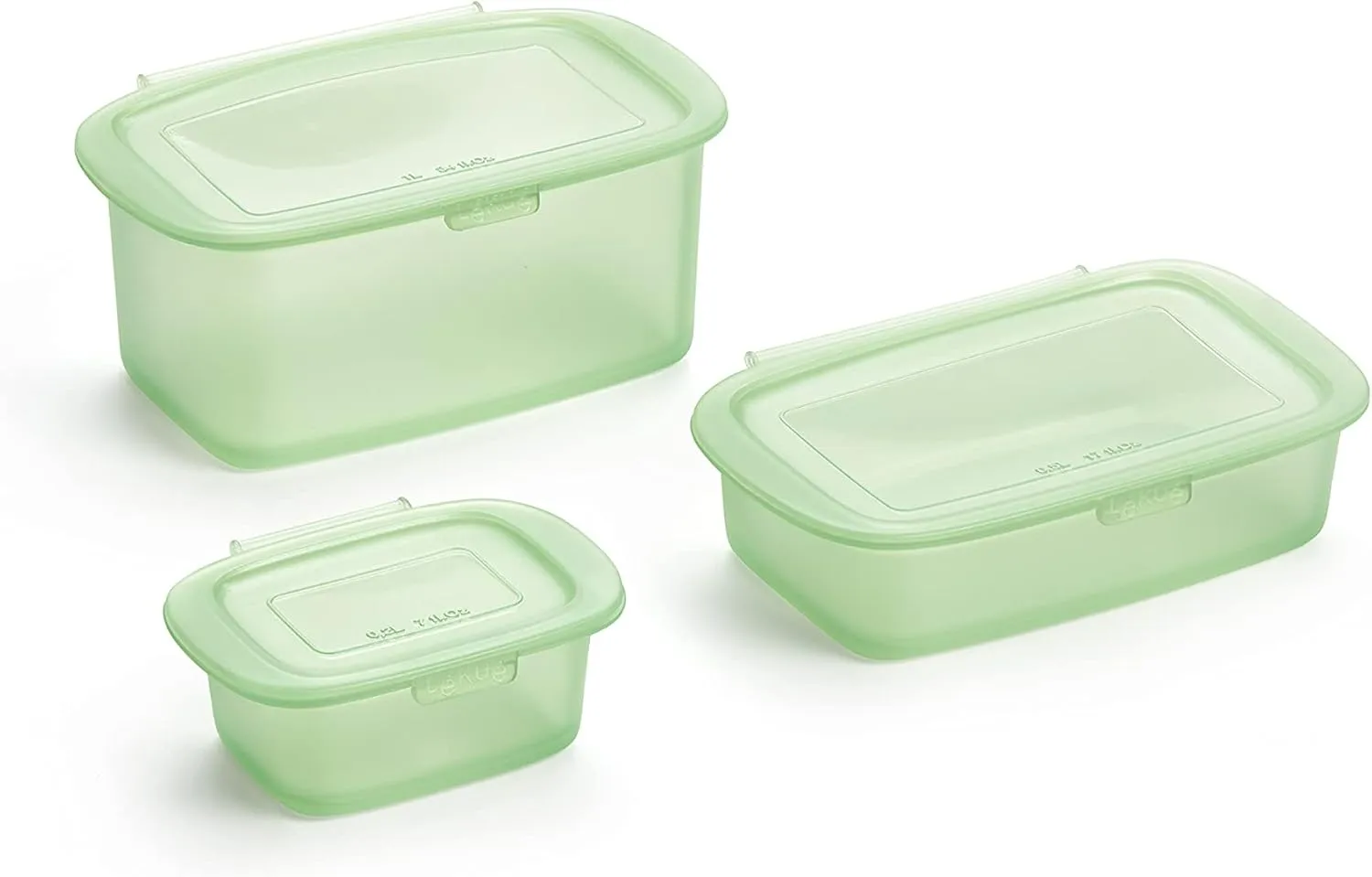
Why it’s a top pick: If you want your HH content to work for both the US and Europe, Lékué is often easier for European readers to find without weird shipping issues.
Best for: everyday cold storage, snacks, lunch prep, family use.
Weaknesses:
- Silicone odor retention can still happen quickly with fats and strong flavors.
- Some designs prioritize convenience over maximum sealing.
Who should avoid this:
Anyone who is mainly trying to store oily leftovers in bags. Use glass and make life easier.
Real world use scenario:
A European reader wants a reusable bag they can buy locally. Lékué often fits that use case better than US-only brands.
Check current price and availability on Amazon
Cook first, store cleanly: see our best stainless steel cookware brands 2026.
4) W and P Porter (reusable bag line)
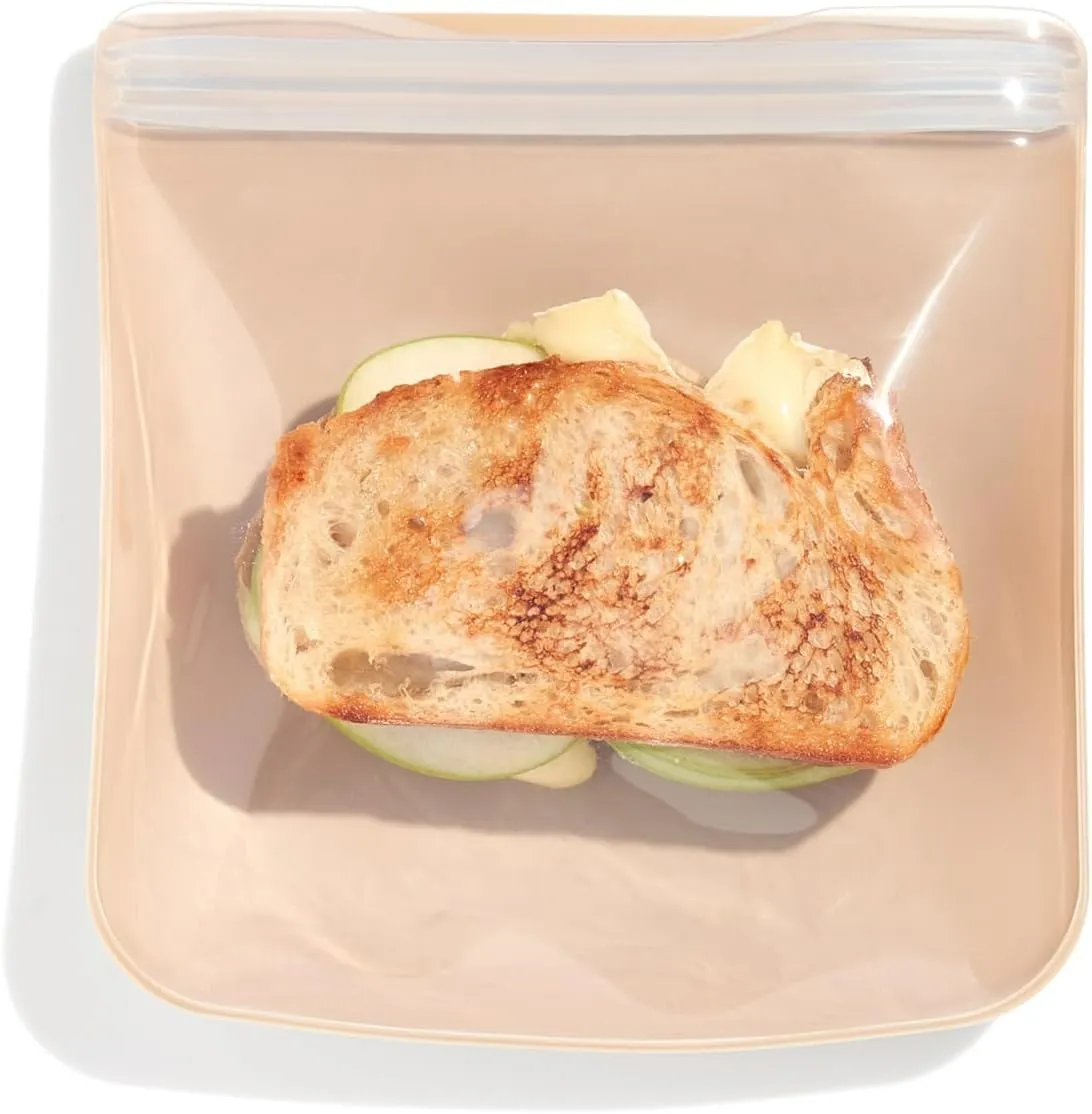
Why it’s worth considering: Some designs focus on wide openings and easier filling. That matters because the easiest-to-clean option is the one you actually keep clean.
Best for: chopped produce, meal prep components, pantry snacks.
Weaknesses:
- Liquid storage depends heavily on the exact closure design. Do not assume leakproof.
- With any bag that might leak, travel becomes stressful.
Who should avoid this:
If you commute with soups or sauces in a bag. Use a leakproof glass container or a stainless steel lunch container.
Real world use scenario:
You store chopped salad ingredients and keep them crisp. Great. For a greasy pasta sauce, use glass.
Stay hydrated during prep with the best reusable water bottle.
5) GIR reusable bags
Why it’s worth considering: GIR products are often simple and minimal, which tends to be good for long term use.
Best for: freezer packs, snacks, dry pantry storage.
Weaknesses:
- Still silicone, still more interaction with fats than glass.
- Odors can stick if you use it for oily foods.
Who should avoid this:
If you want to minimize silicone contact with warm fats as part of your non toxic standards.
Real world use scenario:
You use it like a modern “snack pouch” and keep it in the cold and dry lane. That is where silicone behaves best.
Where to buy: Official store, Amazon, depending on region.
If you’re also considering beeswax wraps as a plastic wrap alternative, read our detailed beeswax wraps review.
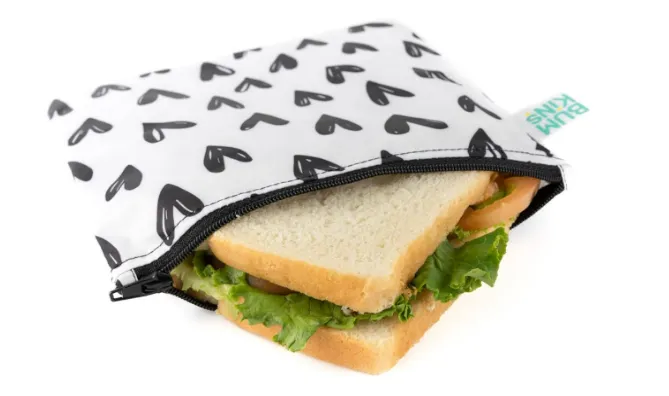
6) Bumkins snack bags
These are often fabric based snack bags, not silicone. That is not a “Stasher replacement,” but it is a smart non toxic alternative for families.
Best for: dry snacks, school lunches, crackers, sandwiches.
Weaknesses:
- Not for liquids.
- Not for oily leftovers.
Who should avoid this:
If you need one bag to do everything. This is a specialty tool for dry food.
Real world use scenario:
A parent wants less plastic without introducing silicone odors. Fabric snack bags work beautifully for that.
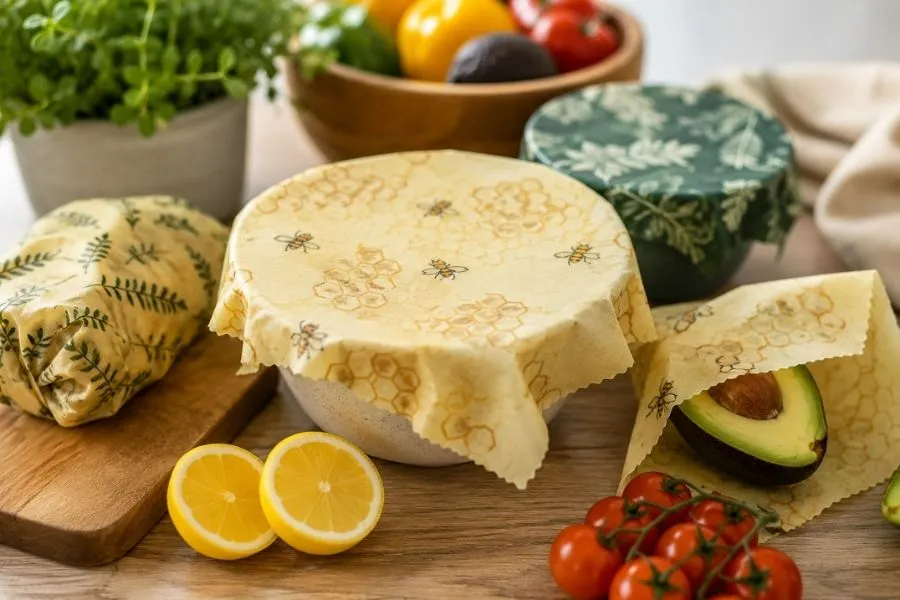
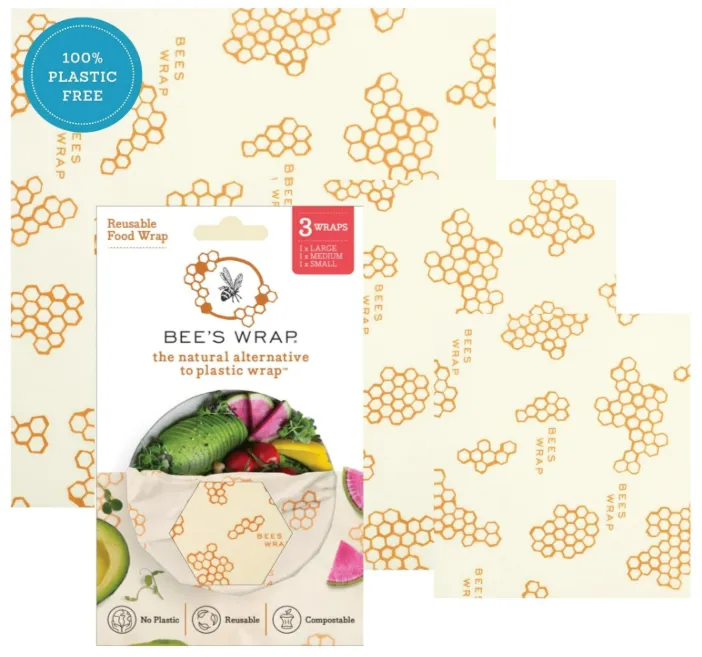
7) Bee’s Wrap
Again, not a bag, but a powerful alternative if your real goal is plastic free food storage.
Best for: covering bowls, wrapping bread, herbs, cheese.
Weaknesses:
- Not leakproof.
- Not ideal for very wet foods.
Who should avoid this:
Anyone who needs airtight liquid storage.
Real world use scenario:
You cover a bowl of leftovers in the fridge without plastic film. Simple, low toxin, low drama.
The safest alternatives if non toxic is your top priority
8) Glass food storage containers (best for heat plus fat)
If your goal is truly “non toxic on all levels,” glass becomes the default. Especially for hot leftovers and fatty foods.
Best for: soups, sauces, oily roasted leftovers, reheating, meal prep.
Weakness: heavier and breakable.
Practical tip: If the lid has silicone, keep food below the lid line so the food does not sit against silicone.
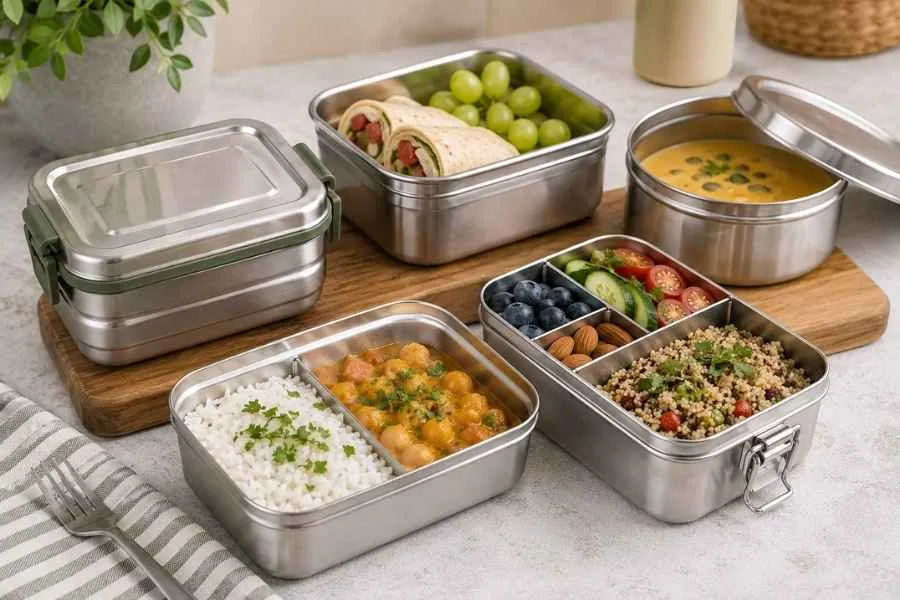
9) Stainless steel containers (best for travel)
Stainless is an excellent non toxic travel solution because it is durable and does not absorb odors easily.
Best for: packed lunches, salads, dry snacks, travel food.
Weakness: not microwave friendly.
Check Hydro Flask Food Jar on Amazon
Buying guide: how to choose silicone bags without being fooled by marketing
1) “Food grade” is not enough information
Many products say “food grade silicone” without giving details. For non toxic shopping, look for brands that are transparent about materials and testing, and avoid vague claims.
2) Heat plus fat is the stress test
Silicone tends to hold onto oily compounds and strong flavors. If you heat fats inside silicone, you increase the chance of interaction and stubborn odor retention.
If you remember one sentence from this article, make it this: Silicone is best for cold and dry. Glass is best for hot and fatty.
3) Hygiene matters as much as materials
Complex closures, seams, and glued parts can trap residue. That is how “safe storage” becomes “biofilm storage.”
My cleaning baseline:
- Turn inside out.
- Wash with unscented soap.
- Use a brush for corners.
- Dry fully before storing.
Upgrade your meal prep routine with a durable stainless steel lunch box built for everyday use.
FAQ
Are reusable silicone food bags non toxic?
They can be a good option for many people, but they are not the safest material for every use. If you want the most conservative non toxic choice for hot fatty foods, choose glass.
Can I store hot food in silicone bags?
Many brands say yes. From a strict non toxic lens, I still prefer glass for hot or oily foods and reserve silicone for cold and dry storage.
Why do silicone bags keep smells?
Silicone tends to hold odor molecules, especially from oils and strong aromatics like garlic and curry. That is why smart use matters.
Are these options available in Europe too?
Many are, but availability varies by country. Lékué is often easier within Europe. Others may be available through Amazon EU or the brand’s own international shipping.
Conclusion
If you want the best Stasher alternatives, pick a bag that matches your real use, not your fantasy life.
- For everyday cold storage and freezer prep, Stasher is still a strong choice.
- For easier cleaning and a simpler design, Zip Top is a great alternative.
- For a more Europe-friendly option, Lékué is often the easiest to source.
For the strictest non toxic standard, especially around heat and fats, glass wins.

Anita is the founder and writer behind Healthy Home Upgrade, where she shares her passion for transforming living spaces into foundations for smart health and wellness. Driven by her personal health journey, her goal is to provide valuable, practical articles that empower readers to use technology and design to improve their quality of life.