Last Updated: May 2026
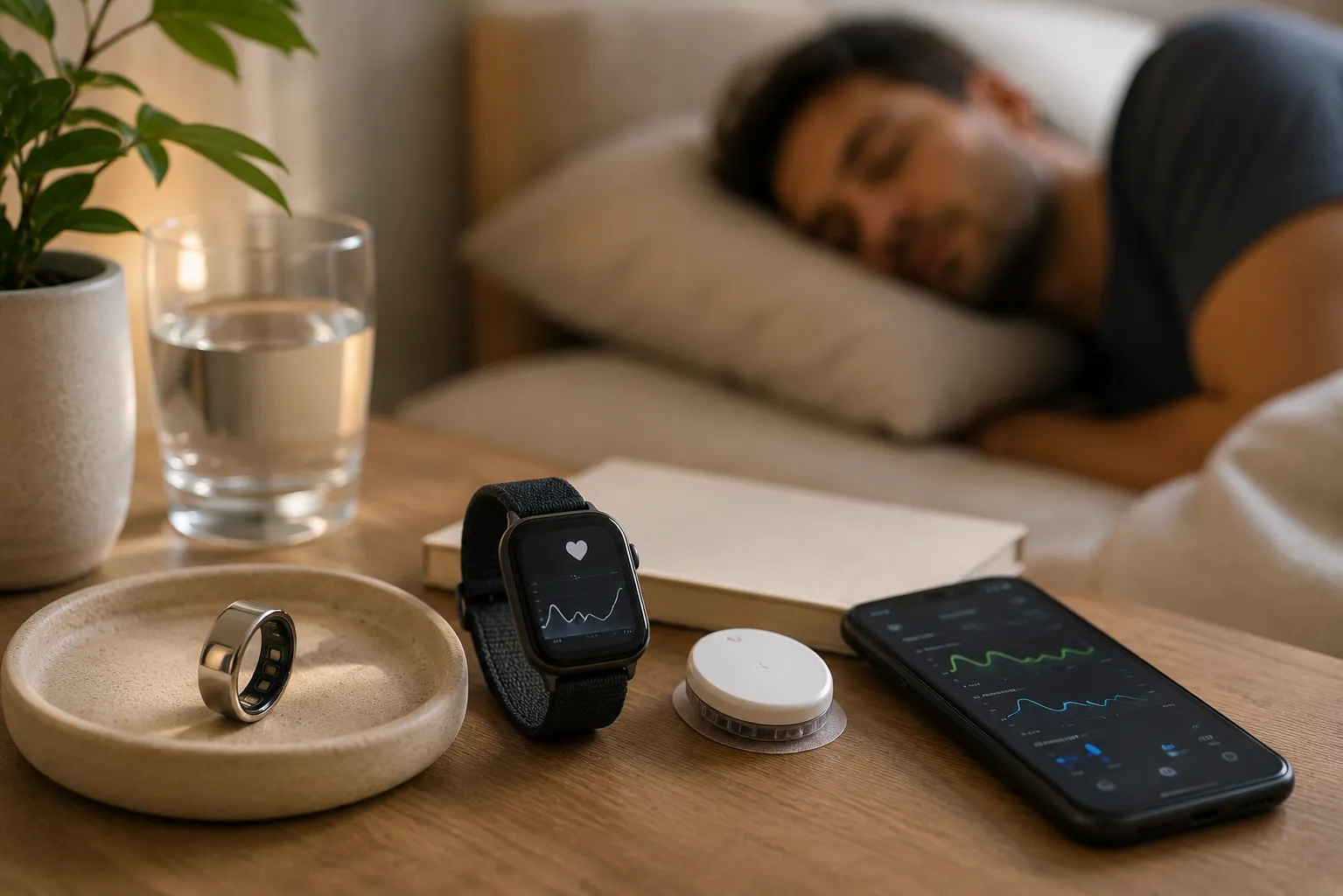
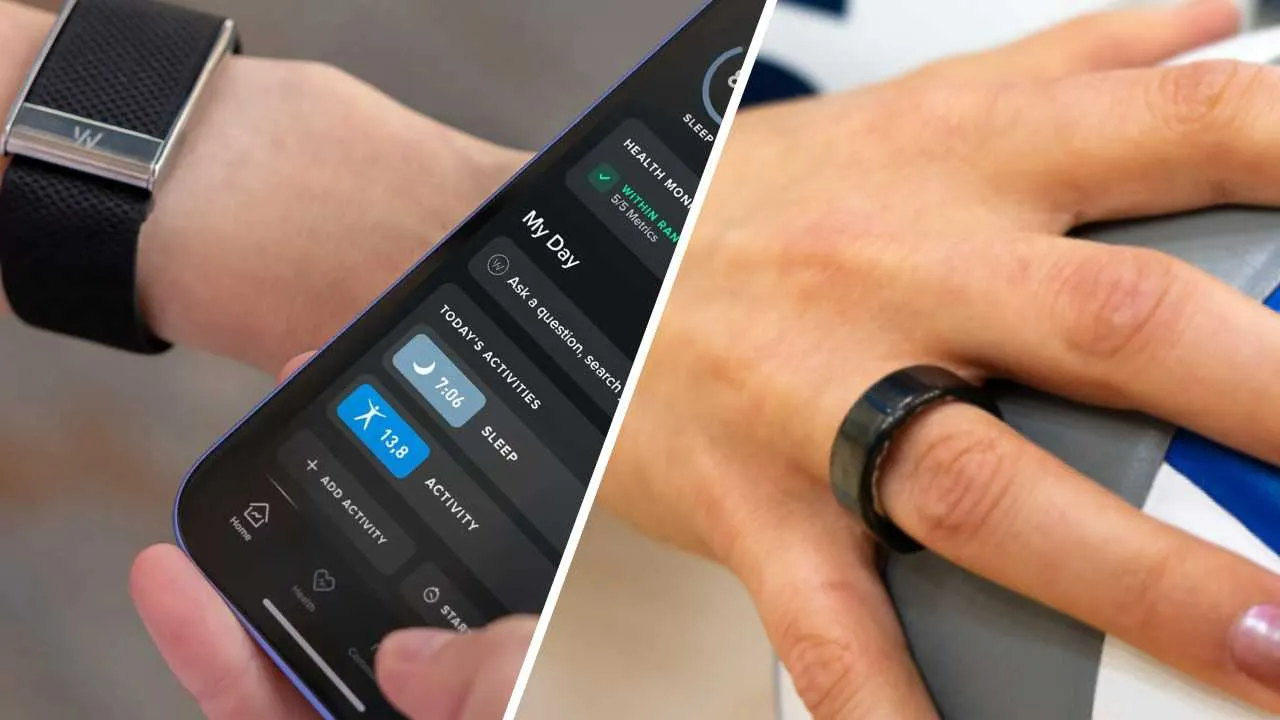
You train, you push, and you try to squeeze more performance out of the same 24 hours—but at some point the real question becomes, “Is my body actually ready for this session today?” When you look at WHOOP vs Oura for athletes, you are essentially choosing between a daily training‑load console (WHOOP) and a long‑view recovery and health compass (Oura Ring).
Both track HRV, sleep and recovery, and both can change how you train, but they speak very different “languages.” This guide is written specifically for athletes and serious trainees, and combines your long‑term Oura use with external testing and athletic feedback so the comparison stays grounded in real training decisions, not just spec sheets.
**Disclosure:** Healthy Home Upgrade participates in affiliate programs, including Amazon Associates. Some links on this page are affiliate links — if you make a purchase through them, we earn a small commission at no extra cost to you. Our editorial process is independent: products are selected based on research, material safety, and reader value, not commission rates.
This guide is written specifically for athletes and serious trainees who want to know:
- Which one helps me train smarter, not just track more?
- Which one fits my sport, lifestyle, and recovery style?
- And what does the data actually mean for my day-to-day training decisions?
Best Picks
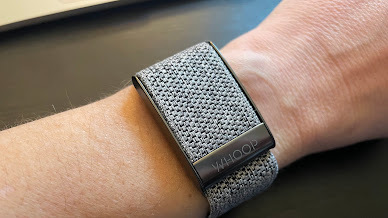
Best daily training‑load coach for athletes: WHOOP — a strap‑based wearable built around Strain and Recovery scores that turns HRV, resting heart rate, respiratory rate and sleep performance into clear “push or hold back” guidance, ideal for endurance, CrossFit, HIIT and team‑sport athletes who want a daily console telling them how hard to go.
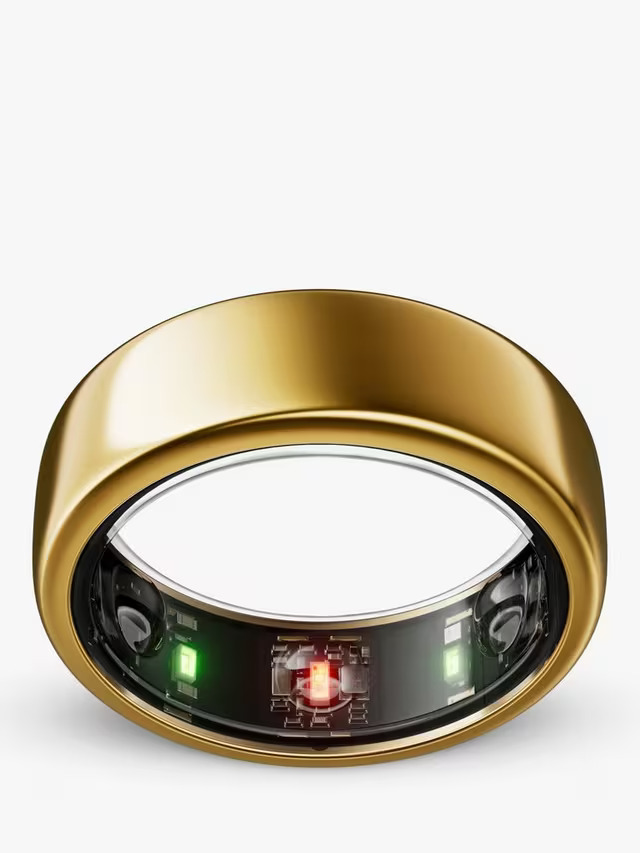
Best long‑term recovery and health compass: Oura Ring — a discreet titanium ring that focuses on Readiness, sleep quality, HRV trends and body temperature, giving athletes a calm, detailed view of how well they are really recovering over days and weeks, perfect for hybrid and health‑focused athletes who care about hormones, mood and long‑term resilience as much as peak performance.
Best setup for serious trainees: WHOOP plus a dedicated sport watch — WHOOP to manage daily strain and recovery, paired with a Garmin/Polar/Coros or similar watch for pace, power and GPS, giving structured athletes a powerful combined dashboard for both training load and performance metrics.
Best setup for long‑term, lifestyle‑driven athletes: Oura Ring plus complementary sleep/recovery tools — Oura as the central recovery tracker, combined with tools like Apollo Neuro or a cooling mattress for nervous‑system regulation and sleep optimization, creating a low‑friction system that keeps you honest about stress and recovery without shouting coaching cues at you all day.
Quick Answer about WHOOP vs Oura
If you are a performance-driven athlete and your main question is:
“How hard should I train today?”
then WHOOP is usually the better fit. It is built around:
- Daily Strain (training load),
- Daily Recovery (readiness),
- Sleep optimized for performance,
- Coaching cues that link everything directly to your training.
If you are a health-focused athlete and your core question is:
“Is my body and nervous system really recovering and moving in the right direction long term?”
then Oura is often the better choice. It shines at:
- Detailed sleep and nighttime HRV trends,
- Readiness and recovery over days and weeks,
- Lifestyle-level awareness of stress, travel, and habits.
For many athletes, the best approach looks like this:
- WHOOP when you want a daily performance coach guiding your training load,
- Oura when you want a 24/7 recovery mirror that keeps you honest about sleep, stress, and long-term health.
Quick Comparison of WHOOP vs Oura
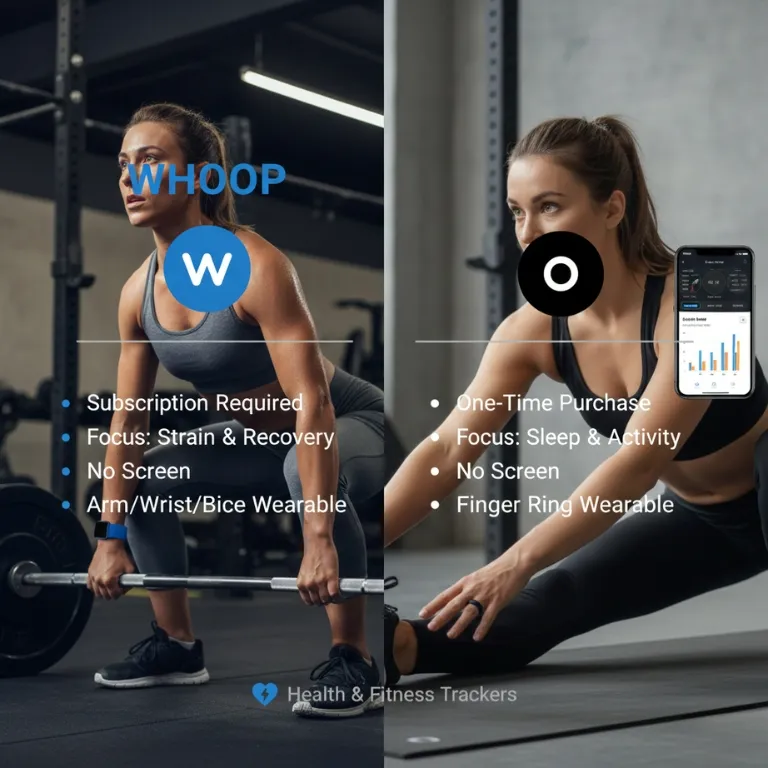
| Category | Oura Ring (Gen 3) | WHOOP (latest generation) |
| Core focus | Readiness, sleep quality, HRV trends, long‑term health and nervous‑system resilience. | Training load, daily strain, recovery and performance coaching. |
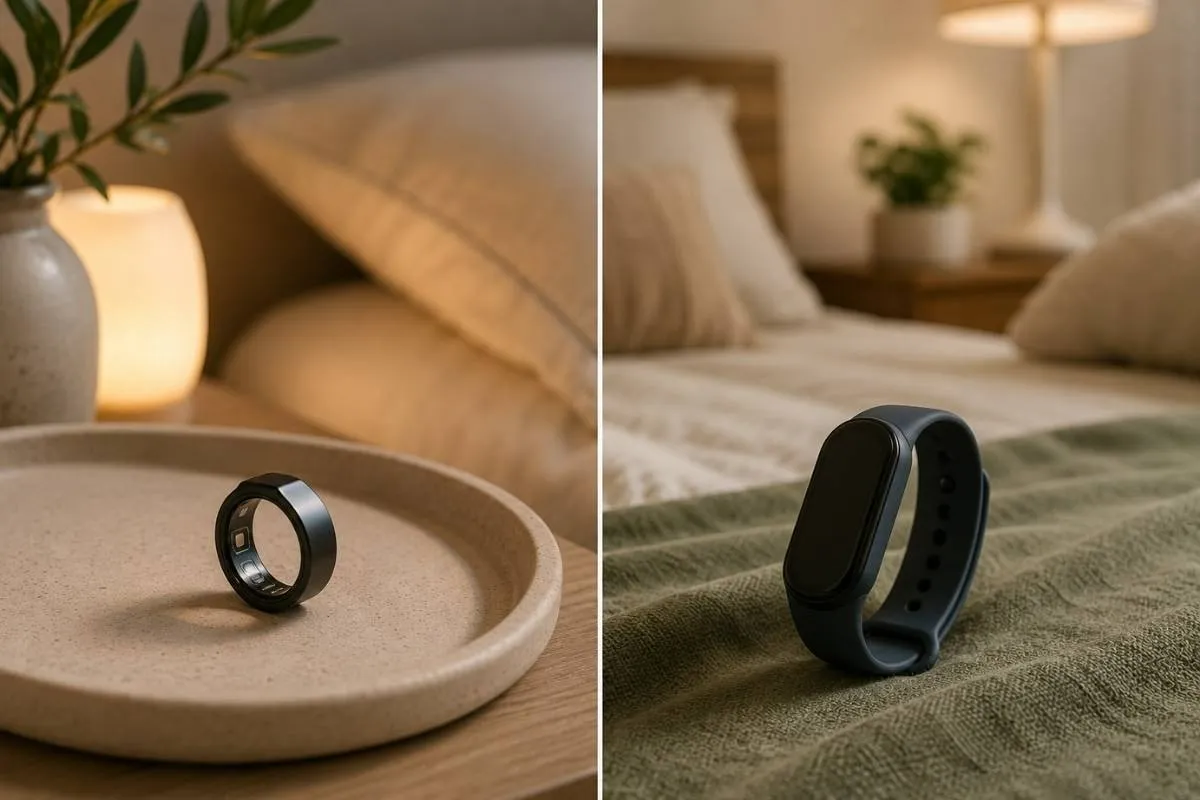
| Form factor | Discreet titanium ring for 24/7 wear and sleep; minimal visual presence. | Screenless band/sensor worn on wrist, biceps or in apparel; feels like a dedicated training strap. |
| Recovery metric | Readiness Score (HRV, sleep, temperature, preceding load). | Recovery Score (HRV, resting HR, sleep performance, respiratory rate), color‑coded with clear “go / hold back” cues. |
| Training load | Good at overall activity balance; best combined with a sport watch or gym tracker for sessions. | Strain Score and Strain Coach built for athletes; excellent at showing how hard sessions really were. |
| Sleep tracking | Very detailed sleep staging, all‑night HRV and long‑term sleep debt / timing trends. | Strong, performance‑oriented sleep tracking tied to how much sleep you needed for your recent strain. |
| App style | Calmer, graph‑driven app; you interpret trends and make your own training calls. | Coach‑like app with clear guidance (“green / yellow / red”), HR zones and workout auto‑detection. |
| Best suited for | Health‑driven, hybrid athletes; comeback phases; people who want to protect hormones, mood and longevity. | Endurance, CrossFit, HIIT, team sports and athletes who want daily guidance during heavy blocks. |
| EMF-conscious use | Airplane mode at night, sync later; great for low‑signal bedrooms. | 24/7 strap; you control Bluetooth exposure mainly via sync frequency. |
| Subscription & ecosystem | Ring + subscription for full insights; strong integration with other Healthy Home Upgrade sleep‑optimization tools. | Membership model that includes hardware and evolving software/coaching features. |
Brief materials / EMF note (EPP, coatings, medical‑grade silicone, PFAS)
WHOOP and Oura both rely on a mix of electronics, polymers and coatings; they are not major chemical‑exposure sources compared with mattresses or cookware, but you can still keep a light low‑tox lens:
- Oura Ring: Made from titanium with inner electronics and a medical‑grade‑style plastic/silicone inner surface; great for minimizing skin reactions and easy to clean with mild soap and water instead of harsh solvents.
- WHOOP strap: Fabric band plus plastic sensor housing; if you are sensitive, suggest choosing the plain, non‑coated bands and washing them regularly so sweat, detergents and skin products do not build up on the fabric.
- Coatings & PFAS: PFAS concerns are more relevant for waterproof outdoor fabrics than these wearables; you can simply advise readers to avoid extra aftermarket “never‑stain” sprays on straps and to stick with mild, fragrance‑light cleaners.
- EMF‑conscious use: Highlight Oura’s airplane mode at night and WHOOP’s option to limit sync frequency; both steps align with your healthy‑home positioning without exaggerating EMF risk.
My real-world Experience Using Oura as an Athlete
I have personally used the Oura Ring for years. For me, it is not just a gadget; it is my quiet sleep and nervous system coach.
Most mornings, I open the app for a few very simple but powerful questions:
- Did I actually recover from yesterday’s training and stress?
- Is my HRV trending up or down this week?
- Do I need to slow down today, add a walk or a meditation?
- Or can I safely push my training intensity?
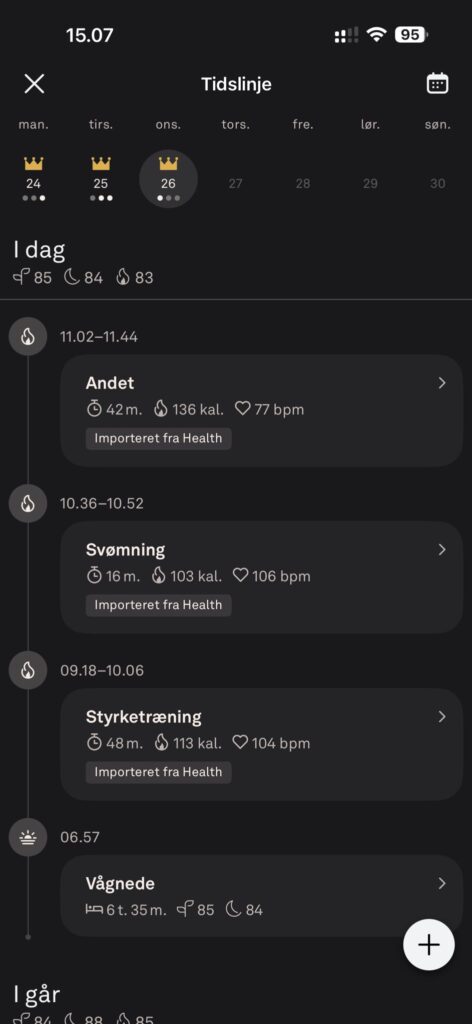
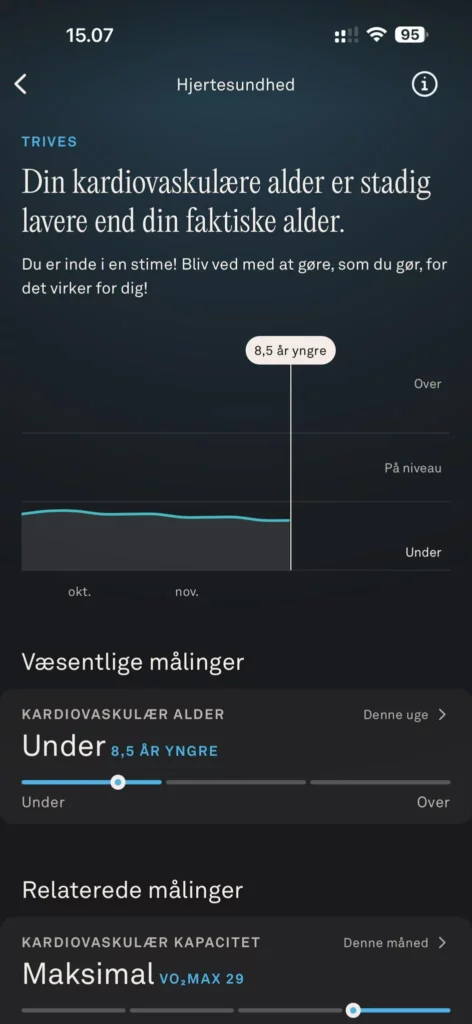
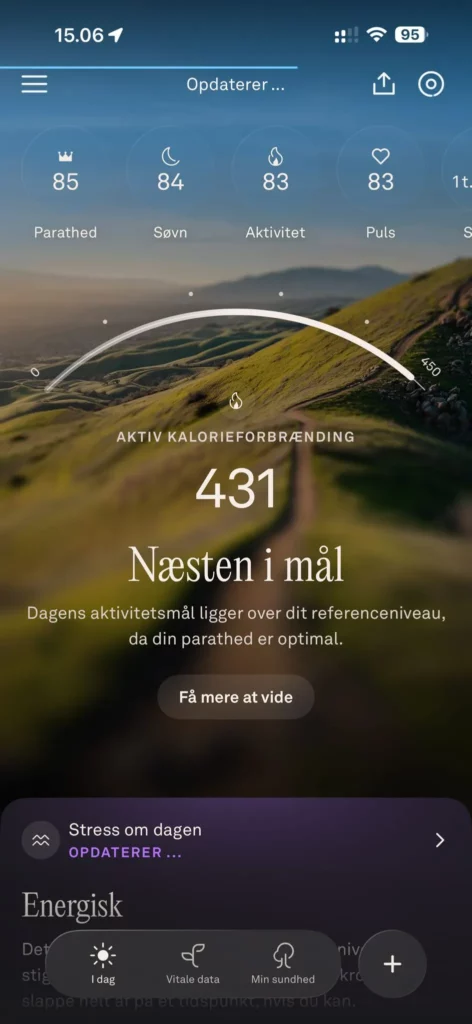
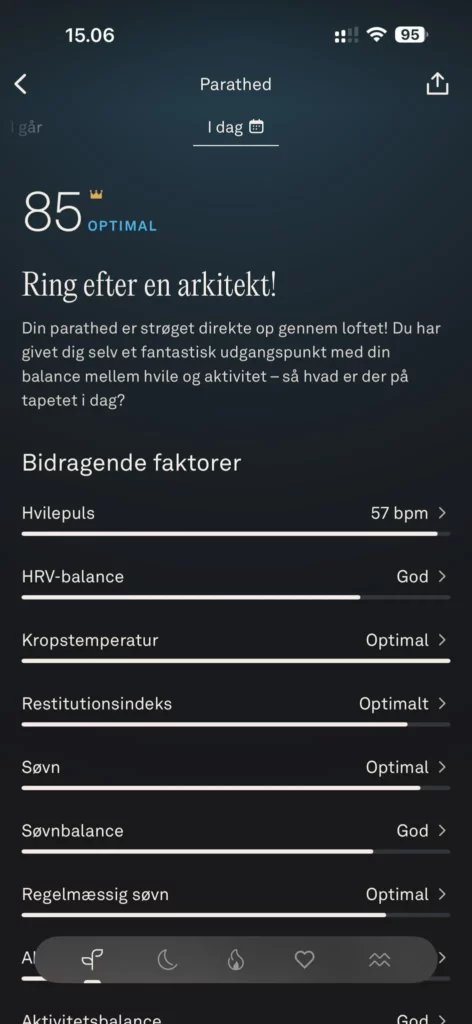
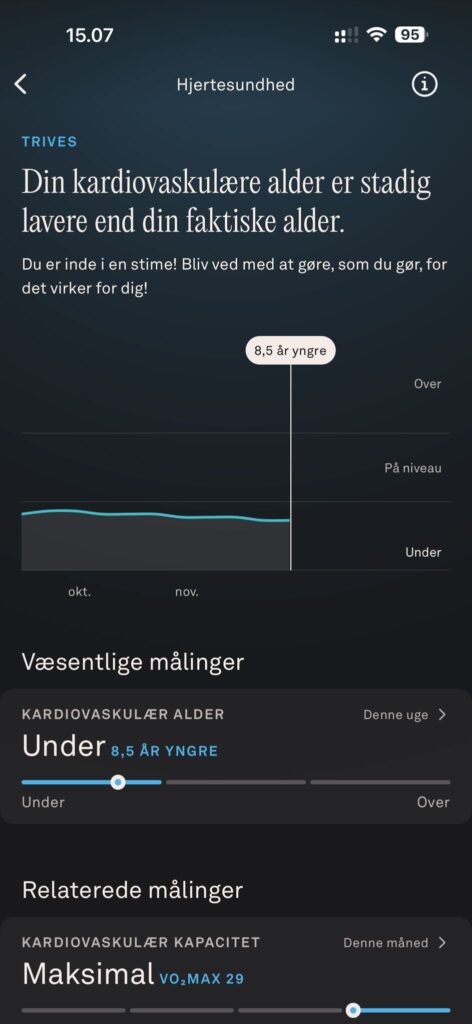
One of the features that motivates me the most is Oura’s way of reflecting biological age versus chronological age. At the moment, my data suggests that my body behaves like it is roughly 8.5 years younger than my real age. I don’t treat it as a magic number, but it is a huge reminder that good sleep, consistent training and smarter recovery really do matter.
I use Oura primarily for:
- Sleep quality and timing,
- Readiness and HRV trends,
- And to catch early signs that I might be pushing too hard.
When my HRV drops for several days in a row, it almost always matches how I feel: heavy legs, more irritability, less enthusiasm. When HRV trends up, my sessions feel lighter, my mood is better and recovery between sets and days is faster.
On Healthy Home Upgrade, the screenshots I share are from my own Oura app, in Danish, because that’s the language on my phone; I actually love that, because it shows this is not a stock‑photo or generic review but real data and a real recovery journey.
For a full deep dive into the device itself, you can read my Oura Ring 3 Review: Best Smart Ring for Sleep and Recovery.
Why HRV Matters So Much for Athletes
Heart rate variability (HRV) is one of the most powerful metrics for understanding how well your body is coping with stress and training.
Instead of counting how many beats you have per minute, HRV looks at the tiny variation in time between each heartbeat. A perfectly regular heartbeat is not necessarily a healthy one – a flexible, adaptable heartbeat is.
In simple terms:
- A higher and stable HRV (for you personally) usually reflects a more flexible and resilient nervous system. Your body can switch more easily between “fight/flight” and “rest/recover”.
- A lower, suppressed HRV, especially when it stays low for several days, often indicates that your system is under heavier stress: hard training, lack of sleep, infection, travel, emotional overload, or a combination.
For athletes, this has very real, practical implications:
- When HRV drops and recovery scores fall, it is usually a sign to reduce intensity or volume, move key sessions, protect sleep and increase active recovery.
- When HRV is stable or increasing and you feel good, you can usually tolerate higher loads and stack harder sessions with less risk of burnout.
Both WHOOP and Oura use HRV as a key ingredient in their recovery models:
- WHOOP uses HRV to build a Recovery Score that directly guides how much Strain you should create that day.
- Oura uses HRV to feed into the Readiness Score, showing you how well your nervous system is coping with your current mix of training and life.
In my own routine, HRV doesn’t replace intuition or how I feel – but when my subjective feeling and my HRV data agree, I listen carefully and adjust my training accordingly.
If you want a deeper breakdown of how WHOOP and Oura compare specifically for athletes, check out What Is the Best Sleep Tracker? Oura Ring vs Whoop vs Fitbit Compared
Core Philosophy: How WHOOP and Oura Think About Athletes
WHOOP
Built as a Training & Recovery Console
WHOOP was designed as a performance and recovery tool for athletes from the ground up. Its language is very clear:
- Strain – how hard you pushed your cardiovascular system today
- Recovery – how prepared your body is to handle more stress
- Sleep Performance – how well your sleep matched what your body actually needed
Every morning, WHOOP essentially answers:
“Given how you slept and recovered, how hard should you push today?”
This is incredibly useful if you are in:
- A marathon or triathlon training block
- A CrossFit or HIIT routine with multiple hard sessions per week
- A team sport season where matches and travel accumulate strain
Healthy Home Upgrade Review:
A performance-driven tracker designed for athletes who want deep insights into strain, recovery, and sleep.
Why it’s a good choice
WHOOP is built around the idea of optimizing performance through data. It continuously tracks strain, sleep, and recovery, then translates that into actionable coaching. For athletes, this makes it feel more like a training dashboard than just a wearable, helping guide when to push harder or recover.
Pros
- Advanced strain and recovery tracking
- Continuous 24/7 monitoring
- Personalized coaching insights
- Ideal for structured training programs
- Distraction-free, screenless design
Cons
- Requires ongoing subscription
- No display for quick data access
- Can feel overwhelming for casual users
- Limited general wellness features
Oura
Built as a Readiness & Health Compass
Oura’s core idea is:
“If you understand your sleep, HRV, and stress patterns, you can make much better decisions about training, work, and life.”
It focuses on:
- Readiness – a single score that blends HRV, sleep, temperature, and previous load
- Sleep – detailed stages, timing, and recovery quality
- Activity – movement and exertion across the day, with gentle guidance rather than aggressive coaching
The tone is calmer, more holistic. Oura is perfect if your definition of “athlete” includes training and hormones, mood, long‑term health and staying well enough to keep training for years, not just for one event.
Healthy Home Upgrade Review:
A balanced tracker focused on sleep, recovery, and overall health, ideal for athletes who want clear, lifestyle-friendly insights.
Why it’s a good choice
Oura focuses on readiness, combining sleep quality, HRV, and body temperature into a simple daily score. Instead of pushing performance metrics, it helps users understand how well their body is recovering and what adjustments to make. This makes it especially useful for athletes who want to balance training with long-term health and recovery.
Pros
- Excellent sleep and recovery tracking
- Clear, easy-to-understand readiness scores
- Comfortable and discreet ring design
- Strong focus on long-term health trends
- Actionable insights without overwhelming data
Cons
- Requires subscription for full features
- Less detailed strain tracking than WHOOP
- Limited real-time workout metrics
- Not built for advanced training analytics
Recovery Scoring: Readiness vs Recovery
Both devices give you a daily number that tries to summarize how prepared you are for stress and training.
WHOOP Recovery
- Expressed as a percentage and often color-coded (green, yellow, red).
- Combines HRV, resting heart rate, respiratory rate, and sleep performance.
- Directly tied to training recommendations: when Recovery is low, WHOOP nudges you to limit strain.
Ideal if you like a clear yes/no signal and a coach‑like voice.
Oura Readiness
- Expressed as a score from 0–100.
- Combines HRV, resting heart rate, body temperature, sleep, and previous day’s activity.
- Used more as a reflection than a command: you still decide what to do, but you get strong hints when your body needs more care.
- Useful if you want to balance training, health and life without feeling dictated to.If sleep tracking is your top priority, I also compared Oura, WHOOP and Fitbit in Best Sleep Tracker 2026 and went even deeper on ring‑only options in this sleep‑tracking ring guide.
Training Load and Strain
WHOOP: Strain and Strain Coach
WHOOP is clearly stronger in training load tracking:
- It translates heart rate intensity and duration into a Strain score.
- It shows how today’s Strain compares with your typical range.
- Strain Coach suggests how hard to go based on your Recovery.
If you tend to over‑ or under‑estimate how hard your sessions really are, this feedback is priceless—especially in endurance, CrossFit, HIIT and team sports.
Oura: Activity and Load Awareness
Oura tracks activity, steps, and general exertion, but it is not a session-level coach in the same way:
- It is good at reminding you when you have been too inactive or too overloaded over several days.
- It works beautifully as a background activity and load monitor, especially when combined with a dedicated sport watch or gym tracker.
For pure performance guidance around sessions, WHOOP is ahead.
For lifestyle-integrated load and recovery trends, Oura is more than enough for many athletes.
Sleep Tracking for Recovery
Oura: Night-Time Recovery Specialist
Oura is widely recognised for:
- Precise, detailed sleep staging
- All-night HRV curves
- Trends across weeks and months (sleep debt, timing, consistency)
If you know that sleep is your weak link, or you suspect that late nights and irregular routines sabotage your performance, Oura gives you a very clear mirror.
WHOOP: Sleep Integrated Into Training
WHOOP’s sleep tracking is tightly integrated with:
- Your sleep need (based on strain and recovery)
- Your sleep performance (how much of that need you actually met)
It might be slightly less granular in sleep visualisation than Oura, but it is highly practical for athletes who want to know:
“Did I actually sleep enough for the load I am putting on my body?”
Usability, Form Factor, and EMF-Conscious Use
Oura Ring
- Very light titanium ring, almost invisible in daily life, and easy to forget while sleeping.
- Inner surface is a smooth, medical‑grade‑style plastic/silicone that is easy to clean with mild soap and water; this helps reduce skin irritation without needing heavy antimicrobial coatings.
- Offers airplane mode at night, which reduces wireless communication while you sleep and syncs data when you re‑activate it—a plus for EMF‑cautious or minimalist bedrooms.
WHOOP
- Strap or garment-based sensor worn on the wrist, biceps, or in WHOOP-integrated clothing.
- Fabric bands sit over a plastic sensor housing; if you have sensitive skin, choose simpler, non‑coated straps and wash them regularly so sweat, detergents and skincare residues do not build up.
- Designed for 24/7 wear with no screen; you interact via the app. You can limit Bluetooth exposure by controlling how often you sync, which fits a low‑EMF mindset without needing special accessories.
Heavy PFAS‑type stain‑proof coatings are more of a concern in outdoor apparel than in these wearables, so you mainly need to avoid spraying aftermarket “never‑stain” products on straps and stick with mild, fragrance‑light cleaners.
Pricing and Ecosystem (High-Level View)
Both Oura and WHOOP work on a hardware + membership model:
- You pay for the device,
- And you pay a subscription for the full data and insights.
Over several years, the total cost can be similar, and your choice will often come down to:
- Which app you actually enjoy using,
- Which philosophy you trust,
- And which device you will really wear every day.
Both are available across the US, Canada, EU, UK and many other regions, with taxes and duties varying by store.
How the Data Turns Into Real Training Decisions
A good athletic tracker is not about who has the longest feature list. It is about whether the numbers change what you do tomorrow morning.
- With WHOOP, Strain and Recovery together answer:
“Given what you did yesterday and how you recovered, how hard should you train today?”
If you are in a focused block, this is priceless. - With Oura, Readiness and sleep/HRV trends answer:
“Is your nervous system and overall health moving in the right direction?”
This is crucial if you want performance without sacrificing long-term health and resilience.
If you regularly overtrain, ignore fatigue, and push no matter what, WHOOP’s coaching voice can protect you from yourself.
If you regularly underestimate how much sleep, stress, and lifestyle affect your performance, Oura’s depth in those areas can be a complete eye-opener.
Which One Should You Choose? Real-World Scenarios
Scenario 1: Endurance Athlete (Running, Cycling, Triathlon)
- You log many hours per week and care about race performance and structured blocks.
- Best starting point: WHOOP for day‑to‑day strain and recovery guidance, plus a sport watch for pace, power and GPS.
Oura can be added as a recovery companion if you want deeper sleep and HRV trends.
Scenario 2: CrossFit, HIIT, or Mixed-Modal Training
- You have multiple intense sessions per week and often live close to your limits.
- Best starting point: WHOOP—it handles mixed‑modal strain well and shows when a “short, brutal” workout is actually extremely taxing.
Scenario 3: Strong, Hybrid, and Health-Focused Athletes
- You combine strength training, conditioning, and activities like yoga, Pilates, or walking.
- You care about mood, hormones, and long-term health as much as performance.
Best starting point:
- Oura – it gives you the most insight into sleep, HRV, readiness, and how your lifestyle is shaping your long-term trajectory.
You can still use a watch or gym app for your actual sets and reps.
Scenario 4: Comeback After Burnout, Illness, or Injury
- You are rebuilding slowly and your main fear is doing too much too soon.
Best starting point:
- Oura – its calmer, recovery-centred approach and HRV trends can be very reassuring, showing you that your nervous system is gradually becoming more resilient again.
You can always add WHOOP later when you return to heavier performance phases.
Transparency Note: How This Comparison Was Created
This comparison:
- Combines my personal long-term use of the Oura Ring,
- With general knowledge about WHOOP and its use in athletic environments,
- Plus the wider experience of athletes, coaches, and reviewers who have used these tools across multiple sports.
These devices are not medical instruments, and no single wearable can perfectly describe your body. They are best used as:
- Trend trackers, not absolute judges.
- Coaching assistants, not dictators of your training plan.
- Tools you combine with how you feel, how you perform, and what your coach or training plan recommends.
As I test and use more wearables in my own life, I will keep updating this guide to reflect real-world experience – not just technical specs.
FAQs
Is WHOOP or Oura better for telling me if I should train hard today?
If you want a clear, daily training signal, WHOOP’s Recovery and Strain system is designed exactly for that. Oura’s Readiness is excellent too, but less prescriptive and more about overall health and balance.
Can I use Oura or WHOOP alongside my Garmin, Polar, or Apple Watch?
Yes. Many athletes do exactly that:
- Watch for pace, speed, power, GPS, and intervals.
- Oura or WHOOP for recovery, HRV, and sleep.
They complement each other rather than compete.
Which is better for pure strength athletes?
Neither device is perfect for tracking barbell performance alone, but:
- WHOOP is better if you also do a lot of conditioning work.
- Oura is better if your main struggle is balancing stress, sleep, and life outside the gym.
Do I really need a subscription?
If you want the full depth of data and insights, yes. Both ecosystems are subscription-based. If you are not ready to commit, start with a shorter plan and see if you actually use the information consistently.
Is it helpful or weird to use my own Oura screenshots in content and social media?
From my perspective, it is incredibly helpful. Real screenshots:
- Show that you are not just copying marketing claims.
- Make the data feel human and relatable.
- Build trust with readers who are tired of anonymous, generic reviews.
I personally use my own Oura screenshots on my website and in social content – even though the app language is Danish – because authenticity matters much more than perfection.
Final Guidance
WHOOP vs Oura for your athletic journey: what to do next
If your calendar revolves around races and heavy training blocks, and you want a strap that tells you exactly how hard to push today, start with WHOOP and use my Best Sleep Tracker guide to see how it fits into your wider tech stack.
If your long‑term goal is to stay strong, sleep deeply and keep your nervous system resilient for decades, start with Oura Ring, then layer in tools like Apollo Neuro or a cooling memory foam mattress once your sleep and HRV patterns are clear.
And always remember: the best device is the one you will actually wear, listen to, and use to change your habits.