Best Sleep Tracker? Oura Ring vs WHOOP vs Fitbit Compared in 2026
If you are looking for the best sleep tracker in 2026, the Oura Ring Gen 3 Horizon still leads globally for most people—combining discreet design with strong accuracy in nocturnal heart rate, HRV, temperature, and oxygen tracking. The WHOOP 4.0 remains the top choice for athletes who live by recovery metrics, while the Fitbit Sense 2 offers an affordable, screen-based option for everyday health and stress.
Choosing between them comes down to your goals: Oura for long-term lifestyle and recovery insight, WHOOP for performance and strain, Fitbit for simple daily balance, with Garmin Venu 3 adding serious GPS and sport features. This comparison focuses on comfort, accuracy, battery life, and long-term health data so you can decide which truly is the best sleep tracker for your home and body in 2025–2026.
Top picks – best sleep trackers in 2026
- Best overall sleep tracker for most people: Oura Ring Gen 3 Horizon
- Best for athletes and serious training: WHOOP 4.0 strap
- Best budget-friendly wellness watch: Fitbit Sense 2
- Best for outdoor and multi-sport athletes: Garmin Venu 3
The new era of smart sleep (and your home)
Sleep tech has evolved from simple step counters into genuine wellness companions that track micro‑movements, oxygen saturation, and temperature shifts that once required a lab. In 2026, the big shift is integration: your tracker can now talk to smart lighting, air purifiers, and thermostats so your environment auto‑adjusts to your sleep schedule and circadian rhythm.
When paired with indoor‑air tools and better mattresses, these devices become part of a full sleep ecosystem, not just a number on your phone.
To upgrade the rest of your sleep setup, explore Best Adjustable Bed Base and Cooling Memory Foam Mattress.
At a glance – editor’s picks
| Device | Ideal for | Sleep tracking accuracy* | Battery life | Notable certifications | Typical price range** |
| Oura Ring Gen 3 Horizon | Everyday wellness & biohacking | ~93–95% vs PSG‑style benchmarks | 4–6 days | CE · FCC | €299–€349 / $299–$349 |
| WHOOP 4.0 | Athletes & recovery nerds | ~92–94% for sleep and HRV | 4–5 days (with subscription) | RoHS · FCC | ≈ $30 / month |
| Fitbit Sense 2 | Daily health & stress | ~90–92% in consumer tests | 5–6 days | CE · FDA‑cleared ECG on some models | €229–€279 / $229–$279 |
| Garmin Venu 3 | Outdoor & multi‑sport | ~89–91% overall | 8–9 days | CE · FCC | €349–€399 / $349–$399 |
*Independent comparisons suggest Oura and WHOOP perform closest to lab‑grade sleep and HRV measurements, with Fitbit and Garmin not far behind but slightly less precise for some sleep stages.
**Prices vary by region; confirm local pricing and any required subscriptions before purchase.
You may also want to read: Best Smart Sleep Tracking Ring 2026 for a ring‑only comparison.
Oura Ring Gen 3 Horizon – everyday health lab on your finger
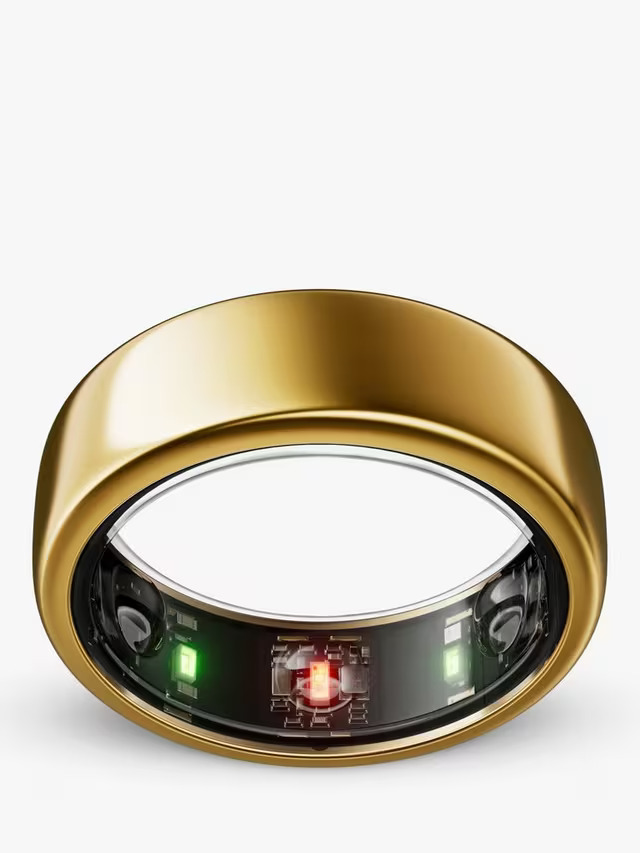
There is something unique about wearing a ring that quietly tracks every heartbeat, breath, and temperature change while you sleep. The Oura Ring Gen 3 Horizon remains a benchmark for holistic, real‑world sleep tracking in 2026.
Unlike bulky wristbands, it feels like minimalist jewelry, discreet enough for boardrooms, workouts, and dinner with friends. Inside the titanium shell are sensors for heart rate, HRV, SpO₂, body temperature, and motion, which feed into nightly Sleep, Readiness, and Activity scores.
Study data suggests that Oura measures nocturnal heart rate and RMSSD‑based HRV with good accuracy versus medical‑grade ECG, especially when looking at nightly averages rather than minute‑by‑minute changes. In clinical‑style comparisons, it performs very well for sleep timing and overall sleep quantity, with some expected variability in precise sleep staging.
Pros
- Discreet design for 24/7 wear
- Strong HRV and sleep‑trend accuracy
- Excellent long‑term readiness and recovery insights
- Large app ecosystem and integrations (Apple Health, Google Fit, Natural Cycles, Headspace, more)
Cons
- Upfront cost plus ongoing membership for advanced metrics
- Ring sizing has to be correct; some people never love the feel of a ring
Verdict: If you care about long‑term health data, sleep quality, and “when to push vs rest” more than step counts or exercise minutes, Oura Ring Gen 3 still defines this category for most wellness‑focused users.
Shop: Oura Ring Official Site and check any live offers via your Oura Ring Coupon Code page.
WHOOP 4.0 – recovery coach for athletes and high performers
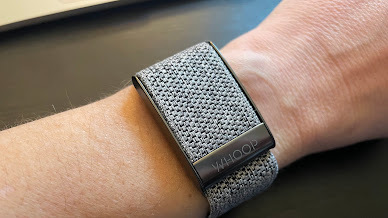
WHOOP 4.0 translates elite training science into everyday coaching. It tracks strain, recovery, and sleep to tell you not just how you slept, but whether your body is ready for another hard session today.
The soft, screen‑free strap is designed for 24/7 wear and can also be worn on the biceps or built into WHOOP‑compatible apparel. Data focuses on HRV, resting heart rate, sleep stages, and day‑time strain, rolled into a simple green / yellow / red recovery score and target strain.
Pros
- Deep recovery and training‑load data
- Clear daily coaching (“push” vs “rest”)
- Continuous improvements via subscription updates
- Great for endurance, CrossFit, team sports, and serious training blocks
Cons
- Ongoing monthly or annual subscription
- Less discreet than a ring; not everyone loves a wrist strap in bed
- Overkill for casual users who just want basic sleep awareness
Verdict: The go‑to choice for athletes and data‑driven users who want training and recovery guidance rather than just sleep scores. If you are deciding specifically between these two, see WHOOP vs Oura for Athletes.
Shop: WHOOP Official Site
Fitbit Sense 2 – approachable wellness and daily balance
The Fitbit Sense 2 turns complex physiology into colorful, approachable insights. Its playful Sleep Profile animals and daily stress tracking make it easy for beginners to understand their rhythms without being overwhelmed.
During the day it tracks steps, heart rate, stress events, and mindfulness; at night it logs your sleep stages, duration, and snoring detection on some models, syncing with Android, iOS, and Google’s ecosystem. Some Fitbit devices also support ECG for Afib detection in supported regions.
Independent comparisons show Fitbit does a good job with overall sleep timing but can slightly over‑estimate light sleep and under‑estimate deep sleep compared with lab polysomnography. For most everyday users, this level of accuracy is more than sufficient for habit change.

Pros
- More affordable entry point than Oura or WHOOP
- On‑wrist screen with notifications and apps
- Simple, friendly app and huge community
- Good all‑rounder for steps, workouts, heart rate, and sleep
Cons
- Sleep and HRV data slightly less precise than Oura / WHOOP in head‑to‑heads
- Requires wearing a watch‑style device 24/7 (not ideal if you dislike wrist wearables)
- Some features sit behind Fitbit Premium
Verdict: Perfect for newcomers and everyday users who want a single device for steps, sleep, stress, and notifications without diving deep into performance analytics.
Shop: Fitbit Official Store
Garmin Venu 3 – outdoor lifestyle with “good enough” sleep
The Garmin Venu 3 brings Garmin’s sport, GPS, and training expertise into a more lifestyle‑oriented watch that also offers sleep and body‑battery tracking.
It is ideal if you want:
- Strong outdoor features (GPS, routes, sports modes)
- “Good enough” sleep and recovery scores
- A single watch for runs, hikes, and daily life
Accuracy for detailed sleep staging is typically a step behind Oura and WHOOP but solid for overall patterns and total sleep time.
Pros
- Excellent for sports and outdoor training
- Good battery life (often 8–9 days)
- Strong Garmin ecosystem and training plans
Cons
- Sleep and HRV tracking not as deep or polished as Oura / WHOOP
- Larger watch body may be less comfortable to sleep in
Oura Ring vs Fitbit – which is better for long-term health data?
Because so many people search specifically for “Oura Ring vs Fitbit”, it’s worth looking at these two side by side.
Oura Ring vs Fitbit: core differences
| Category | Oura Ring Gen 3 | Fitbit Sense 2 / similar |
| Form factor | Discreet titanium ring | Screen‑based smartwatch |
| Core focus | Sleep, HRV, readiness, long‑term trends | Steps, workouts, daily health, stress, sleep |
| App style | Deep trends, readiness scores, long‑term patterns | Simple dashboards, badges, Sleep Profiles |
| Health data | Detailed HRV, temperature, sleep stages, readiness, chronotype insights | Activity minutes, heart rate, stress events, basic HRV metrics |
| Ecosystem | 600+ integrations (Apple Health, Google Fit, Natural Cycles, Headspace, etc.) | Tight Google ecosystem integration, Fitbit community |
| Battery | ~4–6 days typical | ~5–6 days typical |
| Best for | People serious about sleep, recovery, and long‑term health data | People who want an all‑round fitness and lifestyle watch |
Studies suggest that Oura does particularly well in tracking overnight HR and RMSSD‑based HRV and in aligning overall sleep patterns with lab measures, making it strong for trend‑level insights over months and years. Fitbit’s strength lies in day‑to‑day accessibility—on‑wrist stats, notifications, ECG on some models, and easy‑to‑read sleep summaries.
Which should you choose?
- Choose Oura Ring if:
- You care most about sleep, HRV, and readiness.
- You want something you forget you are wearing.
- Long‑term health trends and recovery are your priority.
- Choose Fitbit if:
- You want a single device for steps, workouts, stress, and notifications.
- You like having a screen on your wrist.
- You prefer a lower upfront price and are okay with slightly less precise sleep detail.
Smart health devices & biometrics – how sleep trackers fit in
Sleep trackers are one pillar in a broader smart health and biometrics ecosystem. When combined thoughtfully, they can give a richer picture of your body:
- Sleep and HRV from Oura, WHOOP, Fitbit, or Garmin
- Stress and nervous system support from devices like Apollo Neuro
- Activity, strength, and cardio from fitness trackers, bikes, and rowers
- Recovery tools like sauna sessions, massage guns, and grounding wearables
Over time, consistent data on sleep, HRV, and readiness helps you spot patterns you might otherwise miss—such as how late‑night screens, travel, or alcohol affect your recovery—and adjust habits for better long‑term health.
For a deeper dive into rings specifically, see Best Sleep Tracking Ring 2026, and for athlete‑focused comparisons, use WHOOP vs Oura for Athletes.
Which is better: Oura vs WHOOP vs Fitbit vs Garmin?
Putting it all together:
- Best overall for sleep and long‑term health data: Oura Ring Gen 3
- Best for athletes and intensive training: WHOOP 4.0
- Best all‑round smartwatch for beginners: Fitbit Sense 2
- Best for outdoor training with “good enough” sleep: Garmin Venu 3
If sleep and recovery are your main priorities, start by choosing between Oura vs WHOOP; if you mostly want everyday fitness, step counts, and smartwatch features, focus on Fitbit vs Garmin.
FAQs (updated for AEO)
Is WHOOP better than Oura?
WHOOP is better if you want detailed training‑load and recovery coaching; Oura is better if you want long‑term sleep, HRV, and readiness trends in a discreet form factor.
Which is better, Oura Ring or Fitbit, for long-term health data?
Oura is stronger for long‑term sleep and HRV trends and readiness scores; Fitbit is better as an all‑round fitness and lifestyle watch with a screen and daily stats.
Which sleep tracker is most accurate?
Independent tests suggest Oura and WHOOP perform closest to lab‑grade measures for overnight HR and HRV, with Fitbit and Garmin close behind for overall sleep duration and patterns.
What is the best tracker for sleep only?
For comfort plus detail, Oura Ring Gen 3 Horizon remains the top choice globally for most users focused mainly on sleep and recovery.
Are sleep trackers effective?
Yes, when used consistently they help you see how habits and environment affect your sleep, which makes it easier to adjust routines and create a healthier home.