Apollo Neuro Review: Can This Wearable Tech Actually Reduce Stress & Improve Focus?
Most wearables score your stress and sleep, then leave you to figure out what to do with the data. Apollo Neuro flips that script by using gentle vibrations to actively support the nervous system instead of simply tracking it.
In this updated Apollo Neuro review, we look at how it works, what the latest research and users say, who it is actually a good fit for, and how it compares to other stress and sleep tools so you can decide if it belongs on your wrist or ankle—or if you are better off with simpler habits and a different device.
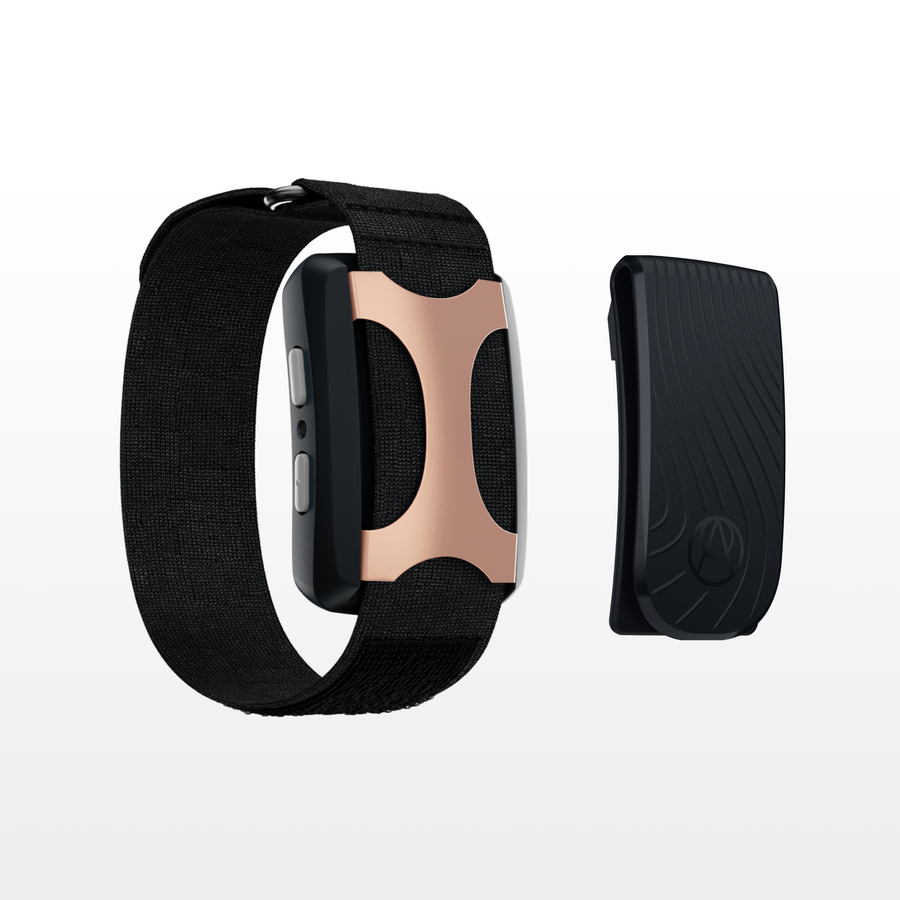
At a glance: Apollo Neuro overview
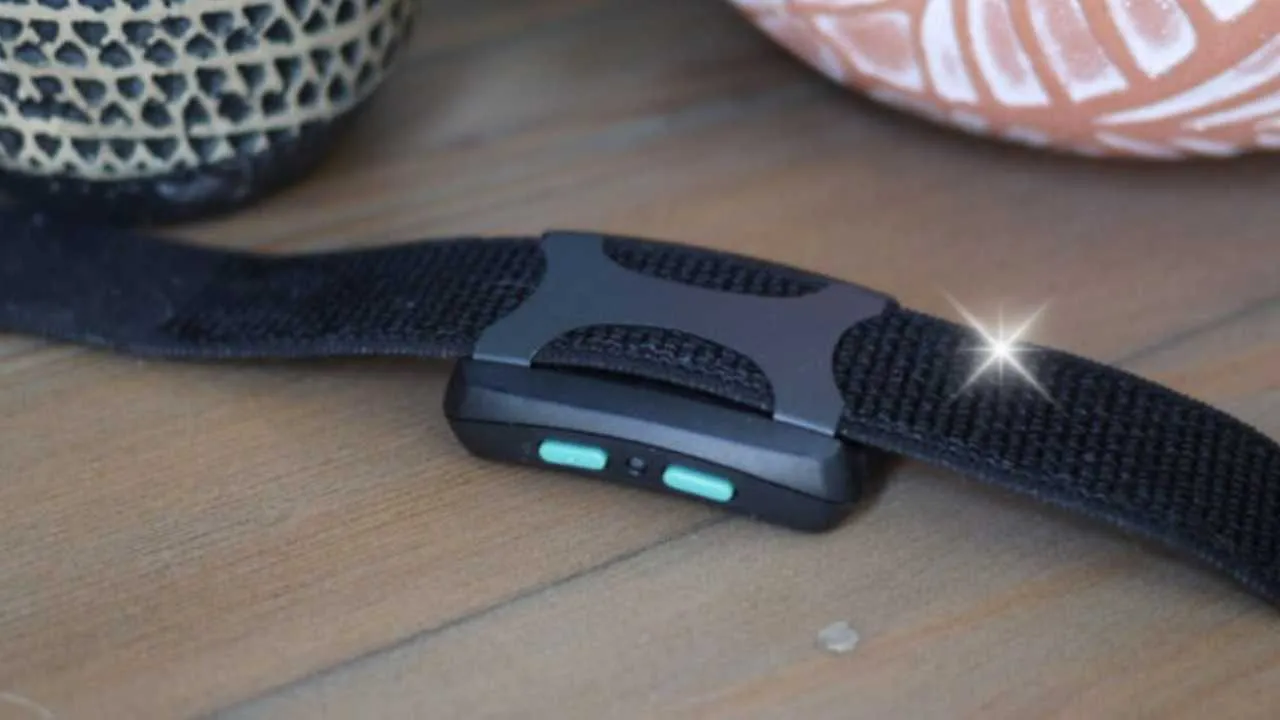
| Feature | Details |
| Product | Apollo Neuro wearable |
| Type | Vibration-based nervous system regulation device (not a tracker) |
| Worn on | Wrist or ankle |
| Control | Smartphone app (iOS / Android) + device buttons |
| Modes (Vibes™) | Energy, Focus, Social, Recover, Calm, Unwind, Sleep |
| Primary goals | Stress resilience, focus support, better sleep and recovery |
| Charging | USB rechargeable (micro‑USB) |
| Materials | Medical-grade plastic housing, fabric band |
| Wireless | Bluetooth control with optional Airplane Mode (no wireless during sessions) |
| Typical price | Around mid‑$300s USD, often discounted during promos |
Affiliate disclosure: If you buy through links on Healthy Home Upgrade, we may earn a small commission at no extra cost to you. We only recommend devices we believe can genuinely support a calmer, healthier life.
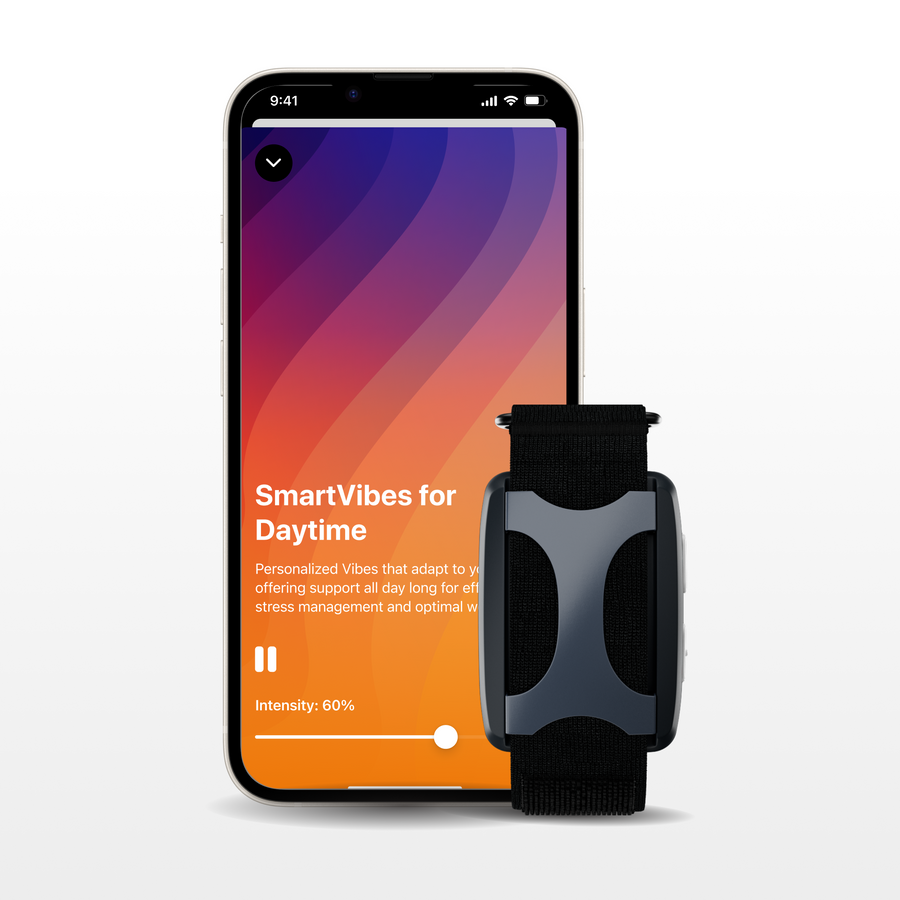
How Apollo Neuro is designed to work
Apollo Neuro uses low-frequency vibrations (felt as gentle, rhythmic pulses) to stimulate touch receptors in the skin that communicate with brain areas involved in autonomic regulation, including pathways that influence the vagus nerve.
According to Apollo’s research team and independent summaries, specific vibration patterns are tuned to mimic safety signals—similar to the rhythms of calm breathing, steady human touch, or rocking—aiming to help the body shift away from constant “fight‑or‑flight” into more flexible “rest‑and‑digest.”
It does not “knock you out” or force relaxation. Instead, consistent use seems to make it easier for many users to settle, recover, and refocus, especially when combined with basic sleep and lifestyle habits.
If you want the bigger picture of how wearables fit into a recovery‑focused lifestyle, see Best Sleep Tracker? Oura vs WHOOP vs Fitbit and Best Sleep Tracking Ring for data-first devices that pair well with Apollo.
Evidence and real-world results (HRV, sleep, stress)
Research highlights
Apollo Neuroscience reports over a dozen completed and ongoing trials with university and independent partners looking at HRV, sleep, and cognitive performance under stress.
Key preliminary findings include:
- In a randomized, double‑blind, placebo‑controlled crossover trial, Apollo use increased HRV by about 11% on average, a sign of improved nervous system flexibility.
- In a sleep study with hundreds of participants wearing Oura Rings, consistent Apollo use (≈3+ hours/day, 5+ days/week, over 3 months) was associated with:
- Up to 19% more deep sleep
- Up to 14% more REM sleep
- Around 6% more total sleep time
- Small improvements in resting heart rate and HRV
These are averages, not guarantees, but they align with many users’ reports that Apollo’s benefits are subtle at the moment and more obvious in long‑term trends.
User feedback trends
Long‑term reviews and expert summaries describe a mixed but generally positive picture:
- Many users report:
- Feeling calmer and less “on edge” during the day
- Falling asleep a bit faster or waking less wired
- Gentle improvements in focus from less internal noise
- Others notice little to no change, especially if:
- They use the device inconsistently
- They expect dramatic, immediate effects
- They have severe underlying sleep or mental health conditions
Comfort, charging frequency, and price are common complaints even among people who like the concept.
Typical user experience: what it actually feels like
Most people describe the sensation as:
- A soft, rhythmic vibration—like a very gentle phone buzz
- Noticeable at first, then fading into the background
- Calming rather than energizing, even in focus modes
Across reviews and case stories, common patterns emerge:
- Calm / Unwind modes feel grounding during stressful moments or evening wind-down.
- Focus / Energy modes often reduce restlessness more than they boost raw energy.
- Sleep mode tends to work best as part of a consistent bedtime routine, not as an emergency fix at 2 a.m.
If you are highly vibration‑sensitive, you may need to start at low intensity and shorten sessions; others find they forget they are wearing it after a few minutes.
Apollo Neuro vs other wearables and stress tools
Tracking vs intervention
Most wearables (Oura, WHOOP, Fitbit, Garmin) are primarily mirrors: they track heart rate, HRV, sleep stages, and stress but do not directly intervene.
Apollo Neuro is positioned as an intervention tool:
- It does not track HRV or sleep on its own.
- Instead, it aims to influence those metrics via vibration patterns you feel.
This makes it a complement—not a replacement—for data‑heavy devices. Many users wear an Oura Ring or other tracker, then use Apollo as the “levers” they can pull when stress goes up or sleep quality dips.
Compared with other stress‑relief approaches
- Meditation / breathwork apps
- Powerful but require active attention and practice.
- Apollo is better for people who struggle to sit still or remember to use techniques under stress.
- Weighted blankets, massage guns, and sauna
- Provide physical or thermal grounding but are usually “on‑off” tools.
- Apollo can run quietly during work, commuting, or social time for ongoing support.
For a broader toolkit, you can pair Apollo with physical recovery tools from Best Mini Massage Guns for Travel or with heat‑based relaxation from The Science of Sauna.
Design, wearability, and EMF
From a healthy-home point of view, Apollo Neuro is relatively low impact:
- Worn on wrist or ankle with a soft band.
- Lightweight plastic housing; water‑resistant but not swim‑proof.
- Vibrations only—no electrical shocks or microcurrents.
- Bluetooth for control, but an Airplane Mode lets you turn off wireless during use if you prefer.
Common user notes:
- The device is slightly chunky, especially on small wrists or when worn at the ankle.
- Micro‑USB charging feels dated compared to USB‑C.
- For some, wearing it all day is easy; others prefer targeted sessions.
Who Apollo Neuro is (and isn’t) best for
Likely a good fit if you:
- Feel “tired but wired” at night and often struggle to wind down.
- Live in a high‑stress job or caregiving role and want a low‑effort support tool.
- Already track HRV, sleep, and readiness and want a way to influence those metrics.
- Are open to subtle, cumulative improvements rather than dramatic overnight change.
Probably not ideal if you:
- Expect a strong, obvious effect after one or two sessions.
- Don’t like wearing anything on your wrist or ankle.
- Prefer fully active approaches (e.g., breathwork, therapy, structured workouts) and do not want another device.
- Are on a very tight budget and need lower-cost basics first (sleep schedule, light exposure, movement).
For many people, it works best layered on top of simple foundations—good sleep hygiene, regular movement, and smart use of other devices like those in
Best Grounding Shoes & Wearables or Best Sleep Tracker.
Practical tips to get better results
From user patterns and expert suggestions:
- Aim for consistency, not intensity
- Think 2–3+ hours per day, 5+ days per week, especially during predictable stress points and evenings.
- Use during transitions
- Start sessions before you feel overwhelmed: pre‑meeting, commute, post‑work, pre‑bed.
- Match modes to your day
- Use Focus or Energy during cognitively heavy tasks, Calm or Social for anxious moments, and Unwind or Sleep 30–60 minutes before bed.
- Pair with simple habits
- Dim lights, avoid late caffeine, and use gentle movement or breathwork alongside Apollo to amplify effects.
- Track trends if possible
- If you own a sleep tracker or HRV‑ready device, note whether consistent Apollo use correlates with better trends over weeks, not days.
FAQ
Does Apollo Neuro really reduce stress?
Apollo Neuro may help reduce perceived stress and improve stress resilience for many users, especially when worn consistently for several hours per day over weeks to months.
How long before you notice results?
Some people feel calmer within the first few sessions, while research and long‑term users suggest the most meaningful changes in HRV and sleep appear after about 1–3 months of regular use.
Can Apollo Neuro improve HRV and sleep?
Preliminary trials and company‑reported data show average HRV increases of around 11% and meaningful gains in deep and REM sleep for consistent users, although individual results vary.
Is Apollo Neuro a medical device?
No. Apollo Neuro is marketed as a wellness device, not a medical device, and is not intended to diagnose, treat, or cure medical conditions.
Can it replace meditation, therapy, or exercise?
It is best used as a complementary tool; it does not replace mental health care, movement, or proven therapies, but can make it easier to access a calmer state where those tools work better.
Final verdict – is Apollo Neuro worth it?
For the right person, Apollo Neuro is less of a “wow” gadget and more of a quiet, background ally that nudges your nervous system toward balance.
If you are chronically keyed up, struggle to unwind, or already track HRV and sleep and want a way to influence those numbers—not just observe them—Apollo Neuro can be a thoughtful addition to your toolkit. If you are expecting dramatic, instant change or are not ready to invest in another wearable, start with foundational habits and a simple tracker first, then consider adding Apollo once those basics are in place.