The Best Non-Toxic Herb Toolkit for 2026
Grow, Dry, and Store Herbs Without Plastic or Chemicals
I used to think of herbs as just a bit of green garnish. That small sprinkle at the end of a meal to make the plate look finished. But after looking closer at how mass-produced herbs are grown, processed, and packaged, I realised that building a non-toxic herb toolkit at home is one of the simplest and most effective kitchen upgrades you can make.
Not because everything out there is dangerous, but because herbs are used often, in small amounts, and touch food directly. That makes them a natural place to take a bit more control — and the same logic applies to what they’re chopped on, which is why many people now pair a clean herb setup with a Non-Toxic Cutting Boards guide to choose safer wood or non-porous boards for everyday prep.
When you grow, dry, and store herbs yourself, you know what you are working with. Clean soil. Simple materials. No hidden additives. A non-toxic herb toolkit is less about perfection and more about peace of mind.
Quick Answer
A non-toxic herb toolkit is about choosing materials you feel comfortable using every day. Organic seeds, natural pots, stainless steel for drying, and glass for storage and brewing remove many of the hidden exposures found in standard kitchen products. It is a simple setup that lets you enjoy herbs without second-guessing what comes with them.
Jump to
- Growing Without Plastic
- Drying for Potency: Safe Heat
- Storage: Protecting Essential Oils
- Herbal Tea Without Leaching
- Why Materials Matter for Health
- FAQs
- Why This Matters for a Healthy Home
At a Glance: Top Non-Toxic Picks for 2026
| Category | Best Overall | Best Premium Choice | Best for Small Spaces |
| Growing | Spade to Fork Kit | Wet Pot Systems | Bergs Potter |
| Drying | Magic Mill (Steel) | Excalibur Stainless | Cosori Compact |
| Storage | Infinity Jars (UV) | Miron Glass | Weck Jars |
| Brewing | Trendglas JENA | Hario Glass Kyusu | Simax Glass |

Growing Without Plastic: A Clean Foundation for a Non-Toxic Herb Toolkit
The first step in building a non-toxic herb toolkit is the growing setup.
Many starter kits rely on plastic pots and treated soil. Over time, plastics can release unwanted substances into soil, especially when exposed to heat and moisture. Choosing organic-certified seeds and natural containers keeps things simple and clean from the beginning.
Spade to Fork is a strong option if you want an organic, plastic-free starting point.
Wet Pot Systems combine glass and terracotta, allowing herbs to self-water without sitting in plastic.
Bergs Potter offers classic, breathable terracotta pots that work beautifully on windowsills and balconies.
Drying for Potency: Safe Heat Without Hidden Chemicals
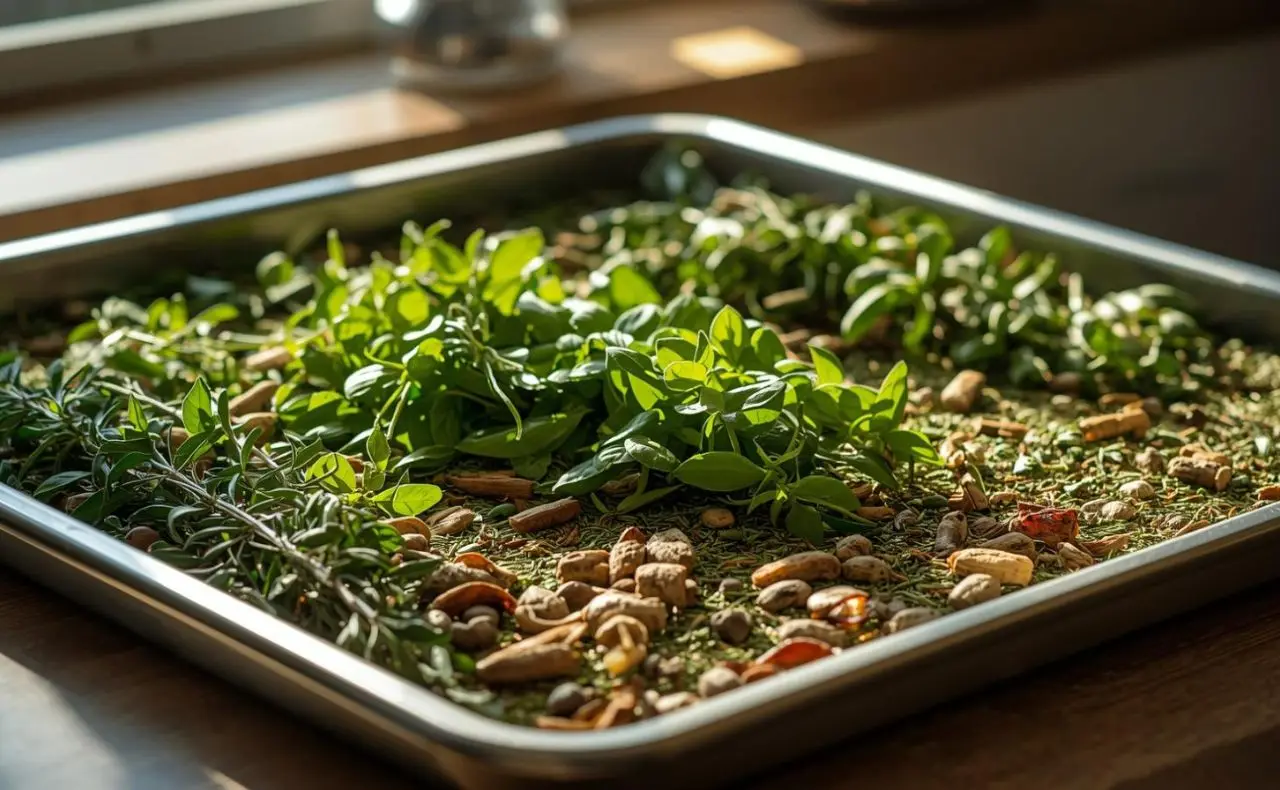
Drying herbs preserves the essential oils that give them their flavor and function. How you dry them matters.
Many dehydrators use plastic trays or interiors. When heat is added, even BPA-free plastics can release other compounds. For a non-toxic herb toolkit, stainless steel is the most reliable option.
The Magic Mill stainless steel dehydrator is a solid everyday choice.
The Excalibur stainless steel models are built for long-term use and larger batches.
The Cosori stainless dehydrator works well for smaller kitchens without compromising materials.
For very small batches, an air fryer with a ceramic or stainless interior can also be used. Verified models are covered in my guide to Best Air Fryers of 2026.
Storage: Protecting Essential Oils and Flavor
Once herbs are dry, proper storage keeps them effective.
Plastic containers can absorb odors and slowly leach compounds into dried herbs. Glass is inert, stable, and easy to clean, making it the best option.
Infinity Jars use UV-protective glass to limit light exposure.
Miron Glass jars are commonly used for sensitive botanicals and preserve aroma very well.
Weck Jars are a simple, traditional solution using glass and natural rubber seals.
Turn your herbs into superfoods: discover functional foods 101 – simple swaps to supercharge your daily diet.
Herbal Tea Without Leaching
Herbal tea is one of the easiest ways to use functional herbs, but brewing materials matter.
Plastic mesh infusers exposed to boiling water can release unwanted substances. Glass and stainless steel are safer and more stable.
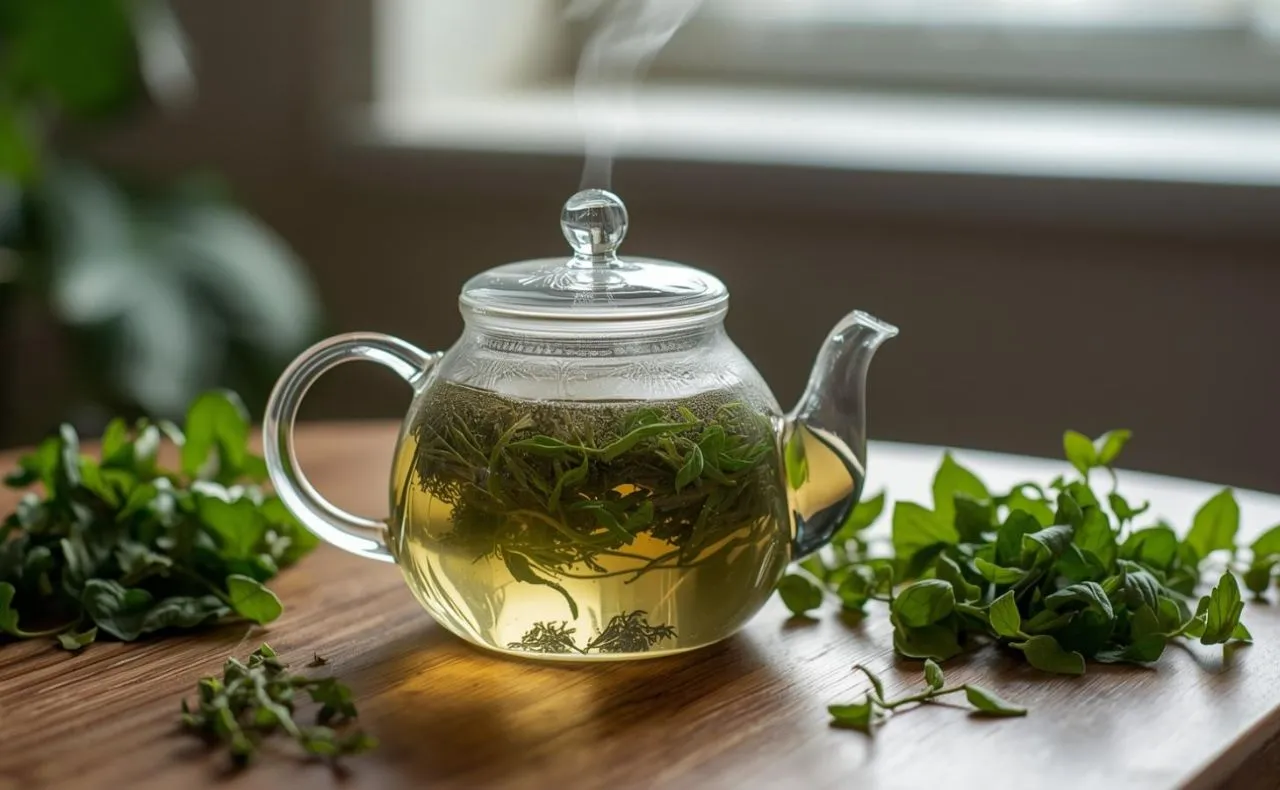
Trendglas JENA uses laboratory-grade borosilicate glass and feels sturdy without being heavy.
Hario Glass Kyusu offers a minimalist, calm brewing experience.
Simax glass teapots are practical for larger households or family use.
Dry and crisp your homegrown herbs perfectly in the best non-toxic air fryer (2025) – PFAS-free & stainless picks.
Why Materials Matter for Health
This is not about fear or replacing everything at once.
A non-toxic herb toolkit focuses on one small area where changes are easy and meaningful. Herbs are simple, affordable, and used daily. When the materials feel clean and intentional, the habit sticks naturally.
FAQs About a Non-Toxic Herb Toolkit
How do I know if my dehydrator is safe?
Look for models with 304-grade stainless steel trays and interiors. Avoid plastic trays, even if labeled BPA-free.
Is borosilicate glass better than regular glass?
Yes. Borosilicate glass handles heat better and is more chemically stable, making it ideal for brewing.
Which herbs are easiest to grow?
Mint, basil, and chives grow easily in organic soil and do not require heavy fertilization.
Why This Matters for a Healthy Home
HealthyHomeUpgrade is not about changing everything overnight.
It is about choosing a few areas where small upgrades make daily life simpler. A non-toxic herb toolkit supports better food, a calmer kitchen, and habits that are easy to maintain over time.