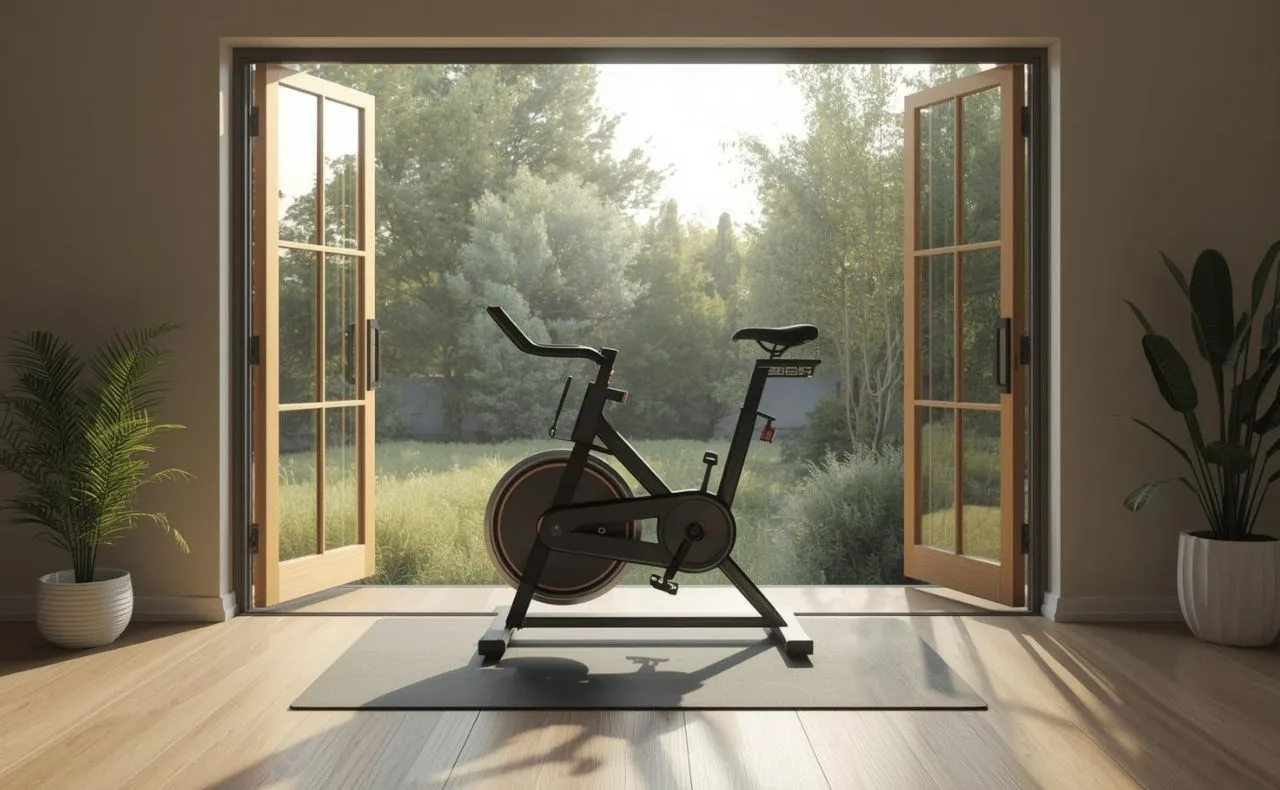

Structuring Zone 2 and Interval Training on the S22i for Longevity, Not Just Weight Loss
Most people buy an indoor bike to burn calories. That works, but it also misses a much bigger opportunity for long-term health.
Personally, I have primarily used smart bikes like the NordicTrack S22i in commercial gyms to structure my cardio. However, as I dive deeper into the data on recovery and air quality, I am strongly considering bringing one into my own home.
My goal isn’t just weight loss — it’s longevity.
That is why I’ve decided to book a professional VO₂ max lab test this month. I want to stop guessing my zones and start understanding my own biology, whether I’m training in a gym or in a future home setup.
Once you begin looking at cardio this way, indoor cycling becomes something very different. Instead of random workouts, it becomes a structured way to improve cardiovascular capacity, metabolic efficiency, and long-term resilience.
When used correctly, combining Zone 2 endurance training with occasional interval sessions can transform a smart bike like the NordicTrack S22i into a powerful tool for long-term health.
Quick Answer
To structure effective training on the NordicTrack S22i, most people benefit from a simple weekly structure:
- 3–4 Zone 2 sessions (steady aerobic rides)
- 1 interval session (short high-intensity work)
- 1–2 recovery or rest days
Zone 2 improves mitochondrial efficiency and aerobic endurance. Interval training stimulates cardiovascular adaptation and VO₂ max improvements.
Together they support long-term cardiovascular health, metabolic flexibility, and endurance, rather than just calorie burn.
At a Glance: Zone 2 vs Interval Training
| Training Type | Intensity | Main Benefit | Typical Duration |
| Zone 2 training | Moderate steady effort | Mitochondrial efficiency and aerobic endurance | 30–60 minutes |
| Interval training | Short high effort bursts | VO₂ max and cardiovascular capacity | 10–25 minutes |
| Recovery ride | Very light effort | Circulation and recovery | 20–30 minutes |
For longevity-focused training, most workouts should remain aerobic and controlled, while high-intensity sessions are used strategically.
Also in This Article
- What Zone 2 training actually means
- What heart rate Zone 2 actually is
- Why aerobic training supports longevity
- How to structure indoor cycling workouts
- Why I’m planning a VO₂ max lab test
Affiliate Disclosure
This article may contain affiliate links. If you purchase through them, Healthy Home Upgrade may earn a commission at no extra cost to you.
What Zone 2 Training Actually Means
Zone 2 refers to moderate-intensity exercise where the body primarily uses aerobic metabolism to generate energy.
In practice:
- breathing becomes deeper but controlled
- you can speak in short sentences
- heart rate remains stable rather than spiking
At this intensity the body trains the aerobic system, which supports endurance, oxygen delivery, and efficient energy production.
Harvard Health notes that moderate aerobic exercise supports cardiovascular function and metabolic health when performed regularly.
What Heart Rate Is Zone 2 Actually?
One reason many people struggle with Zone 2 training is that the intensity feels deceptively easy.
A common rule of thumb places Zone 2 around:
60–70 % of maximum heart rate
However, this formula is only an approximation.
Another practical guideline is the talk test:
If you can speak in short sentences but cannot comfortably hold a long conversation, you are often close to Zone 2 intensity.
The most accurate way to determine training zones is through physiology testing, such as a VO₂ max lab test that identifies your aerobic threshold.
That is one reason I decided to schedule a VO₂ max test. Instead of relying on formulas, I want to understand exactly where my own aerobic threshold sits.
Why Zone 2 Matters for Longevity
Zone 2 training improves several physiological systems linked with long-term health.
Mitochondrial efficiency
Mitochondria produce energy inside cells. Aerobic training stimulates the body to increase mitochondrial density and efficiency.
Better mitochondrial function is associated with:
- improved endurance
- better metabolic health
- more stable daily energy
Fat metabolism
Zone 2 encourages the body to rely more on fat as a fuel source instead of glucose.
Over time this improves metabolic flexibility, allowing the body to switch efficiently between energy sources.
Cardiovascular health
Moderate aerobic exercise strengthens the heart muscle and improves circulation. The American Heart Association recommends regular aerobic activity for long-term heart health.
Why the NordicTrack S22i Works Well for Structured Endurance Training
Indoor bikes allow precise control over training intensity.
The NordicTrack S22i is particularly useful for endurance training because it allows controlled resistance and stable pacing.
Adjustable resistance
Resistance changes allow riders to maintain heart rate targets without dramatically altering cadence.
Controlled environment
Indoor training removes variables such as:
- traffic
- weather
- terrain changes
This makes steady aerobic training easier to maintain.
For a deeper breakdown of the bike’s design and ecosystem, see the NordicTrack S22i review.
Soothe post-rower soreness on the go with our picks for the best mini massage guns for travel (2026 review).
Structuring a Longevity-Focused Training Week
A balanced training schedule typically includes mostly aerobic work with limited high-intensity sessions.
Example weekly structure:
Day 1 — Zone 2 ride
45–60 minutes steady aerobic work.
Day 2 — Strength training or mobility
Day 3 — Zone 2 ride
30–50 minutes moderate intensity.
Day 4 — Interval session
Short high-intensity efforts.
Day 5 — Recovery ride
20–30 minutes very light cycling.
Day 6 — Longer Zone 2 ride
45–75 minutes steady endurance.
Day 7 — Full rest day
This structure balances stress and recovery.
Interval Training: The Complement to Zone 2
Zone 2 builds the aerobic foundation. Interval training challenges the cardiovascular system more aggressively.
Typical interval sessions include:
- short high-intensity bursts
- recovery periods between efforts
- total session duration of 15–25 minutes
Example:
4 × 4 minute intervals
- 4 minutes hard effort
- 3 minutes easy pedaling
- repeat four times
The Respiratory Load: A Critical Note for Intervals
When performing high-intensity intervals, breathing rate increases dramatically.
From a Zero Toxic Load perspective, the environment becomes as important as the workout itself.
In a crowded gym or poorly ventilated room, you are inhaling a significantly larger volume of indoor air per minute.
If I move my training from the gym to a home setup, my first priority will not just be the bike. It will be ensuring strong ventilation and clean air flow, especially during peak efforts where respiratory demand increases.
Prefer bike-based cardio? Check our deep dive on the NordicTrack S22i review (2026) – performance, classes & durability.
How Interval Training Improves VO₂ Max
VO₂ max represents the maximum amount of oxygen the body can use during exercise.
Higher VO₂ max levels are associated with:
- improved endurance capacity
- stronger cardiovascular function
- better overall fitness
Research summarized by the American College of Sports Medicine shows that both moderate aerobic exercise and interval training improve cardiovascular fitness.
The key is balance. Too many high-intensity sessions can create fatigue without improving long-term results.
Measuring VO₂ Max: Why I’m Planning a Lab Test
VO₂ max testing measures how efficiently the body uses oxygen during exercise.
Many wearables estimate VO₂ max, but lab testing provides much more precise measurements.
A physiology test typically measures:
- oxygen consumption
- aerobic threshold
- cardiovascular capacity
Because of this, I’ve scheduled a VO₂ max lab test this month.
Understanding these numbers will make it easier to structure training zones accurately rather than relying on general formulas.
Data-Driven Recovery
One mistake many people make is following a fixed training plan regardless of how their body responds.
If wearable data shows a low HRV (heart rate variability), pushing through a hard interval workout may not be the best decision.
Instead, replacing the session with a gentle Zone 2 ride may support recovery better.
Longevity training means listening to physiological signals rather than forcing intensity.
The goal is resilience, not burnout.
Boost recovery with nature’s reset: explore grounding beyond mats – shoes, sheets & how to know you’re really grounded.
Common Indoor Cycling Mistakes
- Training too hard every session
- Ignoring recovery
- Focusing only on calories
- Incorrect bike setup
FAQs
How often should you train in Zone 2?
Many programs include three to five sessions per week.
How long should Zone 2 sessions last?
Most sessions last 30–60 minutes.
Can Zone 2 support weight loss?
Yes, but its main benefit is improving metabolic efficiency and cardiovascular health.
Are intervals required?
No. But occasional interval sessions improve cardiovascular capacity.
Final Verdict
Structuring training around Zone 2 endurance work combined with occasional interval sessions can transform indoor cycling from a simple chore into a powerful longevity strategy.
Whether you are training on an S22i at a gym or considering installing one at home, the principles remain the same:
- build aerobic capacity
- manage training intensity
- prioritize recovery
- maintain a healthy training environment
For me, the next step is the VO₂ max lab test.
Because when it comes to long-term health, precision beats intensity.