
Breathe in, breathe out. We do it every second of the day, but often we aren’t thinking about what’s in the air we take into our lungs. Indoor air quality (IAQ) isn’t just a health buzzword. It’s crucial for overall wellbeing, affecting everything from our sleep to our energy levels.
Air pollution indoors? Yeah, it’s a thing. From dust mites to pet dander, our homes can be hotspots for pollutants that might surprise you. Small stuff like volatile organic compounds (VOCs)—found in paints and cleaning supplies—can hang in the air and contribute to health issues.
Ever notice more sneezes and sniffles when you’re at home? Poor IAQ is a sneaky culprit behind intensified allergies and respiratory issues. Research shows a strong correlation: spending time in spaces with low air quality can aggravate asthma and even trigger new allergies.
Numbers don’t lie. A report by the EPA highlighted that indoor air can be two to five times more polluted than outdoor air, despite being where we spend 90% of our time. Kind of shocking, right? This means focusing on IAQ at home really isn’t an option, but more of a necessity.
Steps to Improving Indoor Air Quality
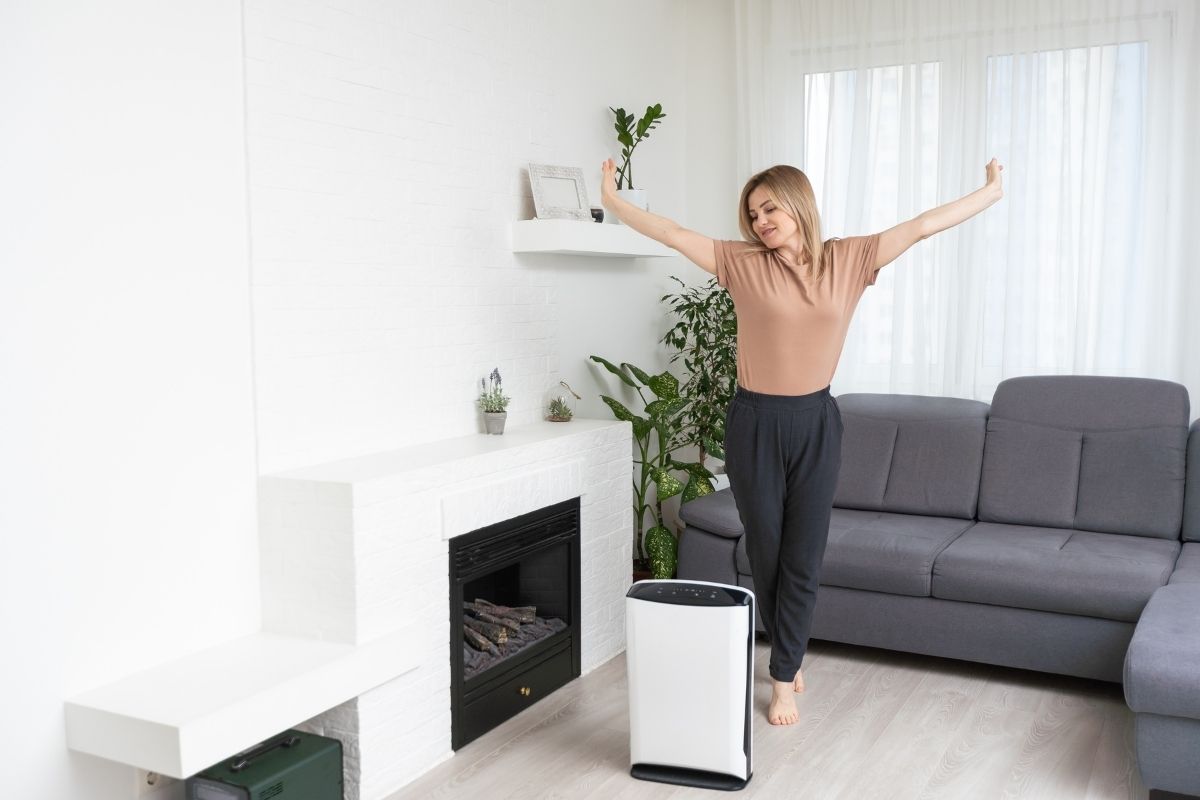
Improving your home’s air doesn’t have to feel like a Herculean task. A solid first move? Consider fitting an air purifier into your HVAC system. An efficient HVAC air purifier can snag all those nasty particles and make your air breezier to breathe.
Want a touch of green in your home? Embrace air-purifying plants like the peace lily or snake plant. They’re not just nice to look at—they work hard to knock out indoor toxins and freshen up your space naturally. Plus, who doesn’t love a bit of nature indoors?
Your HVAC system is kind of like the lungs of your home. Keeping it in tip-top shape ensures it’s providing clean, filtered air. Regular maintenance—like swapping out filters—keeps things running smoothly.
Got pets? Regular grooming helps cut down on shedding and dander, a big win for your air quality. Less fur flying around means fresher air and more snuggle time with fewer sneezes.
Connecting with an idea you wouldn’t typically think about? Reduce dust by dusting off surfaces and vacuuming regularly. This gets rid of the little particles that contribute to poor air and make your nose itchy. Combining these steps can significantly breathe life (and fresh air) into your living space.
Smart Choices in Home Products
Ever walked into a room and been hit with an overpowering scent? Plug-in scented room deodorizers might seem like a quick fix for smells, but they’re often loaded with chemicals releasing unneeded VOCs into the air. Instead, consider natural alternatives like essential oil diffusers to freshen things up without the side of toxins.
Candles can create that cozy vibe, but not all are created equal. Paraffin-based candles release soot and questionable compounds that aren’t doing your indoor air any favors. Swapping to soy or beeswax candles can keep the mood while helping to maintain a cleaner atmosphere.
Messy labels with mysterious ingredients on cleaning products can feel like reading another language. Non-toxic cleaning options are kinder to the air and your health. Brands focusing on natural ingredients often provide the same sparkle without sending pollutants into the air.
Ever stop to smell the roses—or in this case, the labels? Knowing what goes into the items you use daily can make a big difference in your home’s environment. Products labeled as “fragrance-free” or “unscented” can significantly cut down on hidden air pollutants.
By making smarter choices about what you bring into your home, you lay down a foundation for better, cleaner air. Not only does this help improve your overall air quality, but it’s also a step toward a healthier lifestyle overall.
Lifestyle Changes for Healthier Air
Shoes pick up more than just dust—they’re a fast track for outdoor pollutants. Implementing a no-shoes policy at home is a simple adjustment that significantly reduces the grime tracked indoors. Seriously, your floors and your lungs will thank you.
Vacuuming isn’t just about maintaining appearances. Making it a regular habit keeps allergens like dust mites at bay. When picking a vacuum, consider one with a HEPA filter to really capture those tiny, pesky particles.
Clutter isn’t just an eyesore—it’s also a sneaky hideout for dust and allergens. Keeping storage neat and organized helps in minimizing the areas where dust can settle, boosting your home’s air clarity instantly.
Adapting simple lifestyle changes can transform your home’s air quality effortlessly. By filling your space with mindful habits and thoughtful choices, you’re creating a healthier environment for you and your family. Embracing small, practical shifts makes a world of difference when it comes to the air you breathe.
follow us on social Facebook
Also Know About:
5 Plants That Naturally Purify The Air In Your Home
Understanding The Impact Of Air Pollution On Health: What You Need To Know
How Air Quality Affects Mental Health: The Connection We Often Overlook