
Most modern shoes are built to insulate us from the ground. We walk on concrete in rubber‑soled trainers, spend hours indoors, and rarely touch bare earth during a normal week. Grounding shoes and wearables flip that script by using conductive parts—silver threads, carbon plugs, copper rivets—to reconnect you to the Earth as you move through your normal day.
This 2026 update to my best grounding shoes & wearables guide looks at what actually works (and why), which brands back their claims with real testing, and how to choose options that fit your style while minimizing risky materials like poorly specified EVA foams, PFAS‑heavy waterproof coatings or low‑grade plastics. You will also find ideas for simple grounding rituals—walks, commutes, park breaks—and links to deeper science‑based resources if you want to understand what the research does and doesn’t say.
Quick comparison
| Product / brand | Type | Best for | How it grounds | Materials & safety notes |
| Harmony 783 | Sneakers, loafers, walking shoes | Everyday city wear, work & travel | Multi‑layer Groundworks system: 99.99% silver in footbed and lasting board + conductive carbon/rubber outsole. | Uses silver‑stitched microfiber footbeds, silver fabric loops and rubber/carbon soles; brands like this are moving toward recycled content and more transparent sourcing. Avoid knock‑offs using generic EVA foam with “grounding” claims but no test data. |
| Vivo Barefoot (Pilgrim and barefoot lines) | Barefoot shoes | Natural movement + occasional grounding | Thin, flexible soles; some models can conduct when used on wet/very conductive ground with added plugs or straps. | Focus is barefoot feel and wide toe box; check individual models for materials (rubber vs EVA midsoles) and avoid PFAS‑based waterproofing sprays on uppers where possible. |
| Groundz Bio & Raum Mecca | Sneakers | Style + eco‑leaning grounding | Tested conductive pathways in the sole, often using carbon components. | Marketed as eco‑conscious with sustainable fabrics; still likely to use EVA or similar midsoles for cushioning, so look for brands that disclose recycled or bio‑based EVA instead of generic foam. |
| Earth Runners | Minimalist sandals | Trails, parks, warm‑weather grounding | Stainless steel/copper lacing connects your foot to conductive outsole plugs. | Very little foam; thin rubber soles and laces reduce total petrochemical material compared with thick EVA sandals. Great if you want minimal EPP/EVA underfoot. |
| iON SYNC Tolos | Grounding sandals | High‑confidence voltage reduction | Lab‑tested to reduce body voltage up to ~98% in some setups. | Use conductive plugs and straps; choose models with rubber or cork‑blend soles over very thick EVA platforms if low‑toxicity is a priority. |
| Pluggz sandals / flip‑flops | Cushioned sandals | Errands, gardening | Conductive carbon plug through more cushioned soles. | Cushioning often relies on EVA‑type foams; that makes them comfortable but increases petrochemical content. Look for phthalate‑free language and avoid very strong “plastic” smells. |
| Grounding socks (Groundology, Leosox) | Socks | Indoors, winter, with mats/shoes | Silver or carbon fibers woven through fabric to conduct to grounded surfaces. | Textile‑based and free from foams; favor brands that publish fiber percentages and avoid heavy antimicrobial chemical coatings beyond the silver itself. |
| Bracelets, anklets, straps & patches | Small wearables | Travel, flights, desk work | Silver/carbon bands or adhesive patches connected to ground. | Very little material overall; use brands that list adhesives and fabrics, and avoid products with heavy synthetic fragrances or unknown gels. |
Materials, EPP/EVA, PFAS & safer choices in grounding footwear
Grounding shoes are part performance footwear and part wellness tool, so materials matter both for biomechanics and for exposure.
EVA, EPP and foams in soles
Most cushioned shoes—including many grounding sneakers and flip‑flops—use EVA foam (ethylene‑vinyl acetate) in the midsole for light, forgiving cushioning. EVA itself is a widely used thermoplastic foam; the bigger questions are which additives, plasticizers and dyes are used, and whether the brand follows any restricted‑substances list like CA65 or EU REACH.
- Thicker EVA platforms and cheap foam flip‑flops often come from generic factories with minimal disclosure.
- High‑quality brands sometimes blend EVA with recycled rubber or bio‑based content, which can lower environmental footprint and improve durability.
Safer strategy: prioritize brands that:
- Clearly document their midsoles and outsoles (e.g., “EVA midsole with rubber outsole, phthalate‑free, lead‑free”).
- Use thinner soles (like Earth Runners) when you want minimal foam, or combine EVA with rubber/carbon outsoles and silver layers (like Harmony 783).
Expanded polypropylene (EPP) is less common in grounding shoes but appears in some insoles or lightweight cushioning; again, the issue is not the polymer but unlisted additives in very cheap products.
PFAS and waterproof coatings
Some outdoor shoes rely on PFAS‑based waterproofing (e.g., older fluoropolymer DWR coatings) to repel water and stains. Denmark and other countries have started moving to ban PFAS in clothing and footwear, which shows how regulators view long‑term exposure.
For grounding shoes:
- You do not need PFAS for conductivity; the grounding pathway is via silver, copper or carbon components in the sole.
- It is safer to choose brands that avoid fluorinated waterproofing or explicitly state “PFAS‑free / PFC‑free” where possible, and to use simpler care products (like non‑fluorinated sprays) on uppers.
Medical‑grade silicone, rubber and metals
Conductive components often include:
- Silver threads or fabrics in footbeds and straps (e.g., Harmony 783’s 99.99% silver system).
- Carbon‑rubber outsoles that contact the ground.
- Stainless steel or copper rivets and laces (Earth Runners, some sandals).
These are typically paired with rubber or synthetic straps and occasionally silicone‑based parts in some wearables. When medical‑grade silicone is used for bands or gaskets, it is generally more inert and less likely to leach additives than low‑grade PVC.
In practice, aim for:
- Natural or recycled fabrics touching skin when possible (cotton uppers, wool socks, leather straps).
- Well‑documented silver and rubber/carbon grounding systems (Harmony 783, Earth Runners, Groundz) rather than very cheap “conductive” shoes with no testing data or material transparency.
How to choose
You already had a strong checklist; refine it slightly for 2026 and AI search:
- Verified conductivity: Prefer brands that share voltmeter or body‑voltage test results and, ideally, test every pair at the factory (e.g., Harmony 783).
- Comfort & biomechanics: Look for enough flexibility to let your foot move naturally, and cushioning that matches your joints and mileage; EVA + rubber is standard, but natural‑movement brands keep it thin.
- Materials & coatings: Ask three questions—what is the midsole (EVA/EPP), what is the outsole (rubber/carbon) and are there PFAS‑based waterproof coatings? If the brand is silent on all three, treat that as a yellow flag.
- Durability & care: Check how many miles users report before soles lose conductivity or uppers fail; thin sandals last differently from cushioned sneakers.
- Return policies: Because sizing and feel are personal, generous returns are part of a “safe” experiment.
How Grounding Wearables Support You in the City
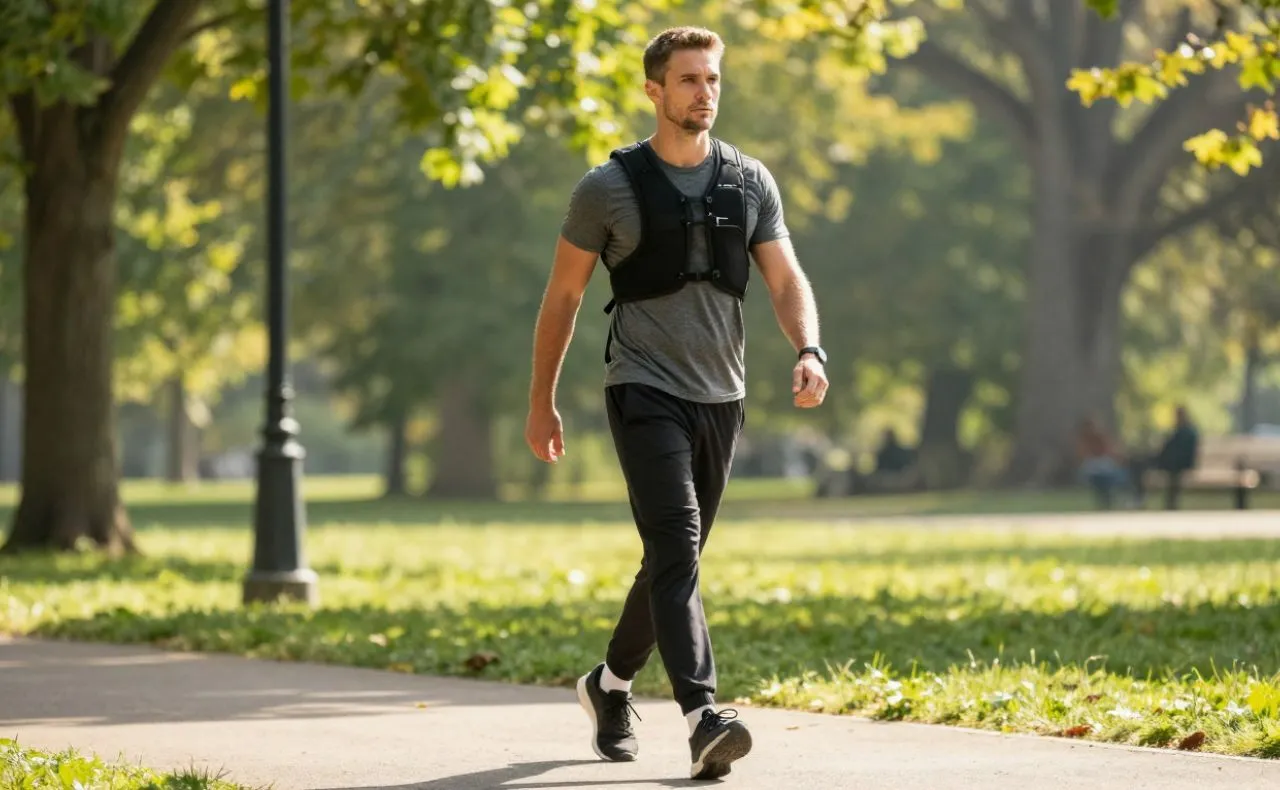
After a long day in an office, your body is buzzing with artificial light, Wi-Fi, stress, and static. Then you walk outside—straight into a world of concrete and asphalt. Kicking off your shoes and going barefoot isn’t always realistic.
That’s where grounding wearables come in. They use conductive materials like carbon plugs, copper rivets, or silver threads to create a path between your skin and the Earth. A good pair of grounding shoes or socks can reduce body voltage by 90–98%, the level many researchers say is ideal.
For me, this has been the most practical way to keep grounding part of my everyday life. Even in a city environment, I can find balance—step by step.
Grounding Footwear: Where Style and Function Meet
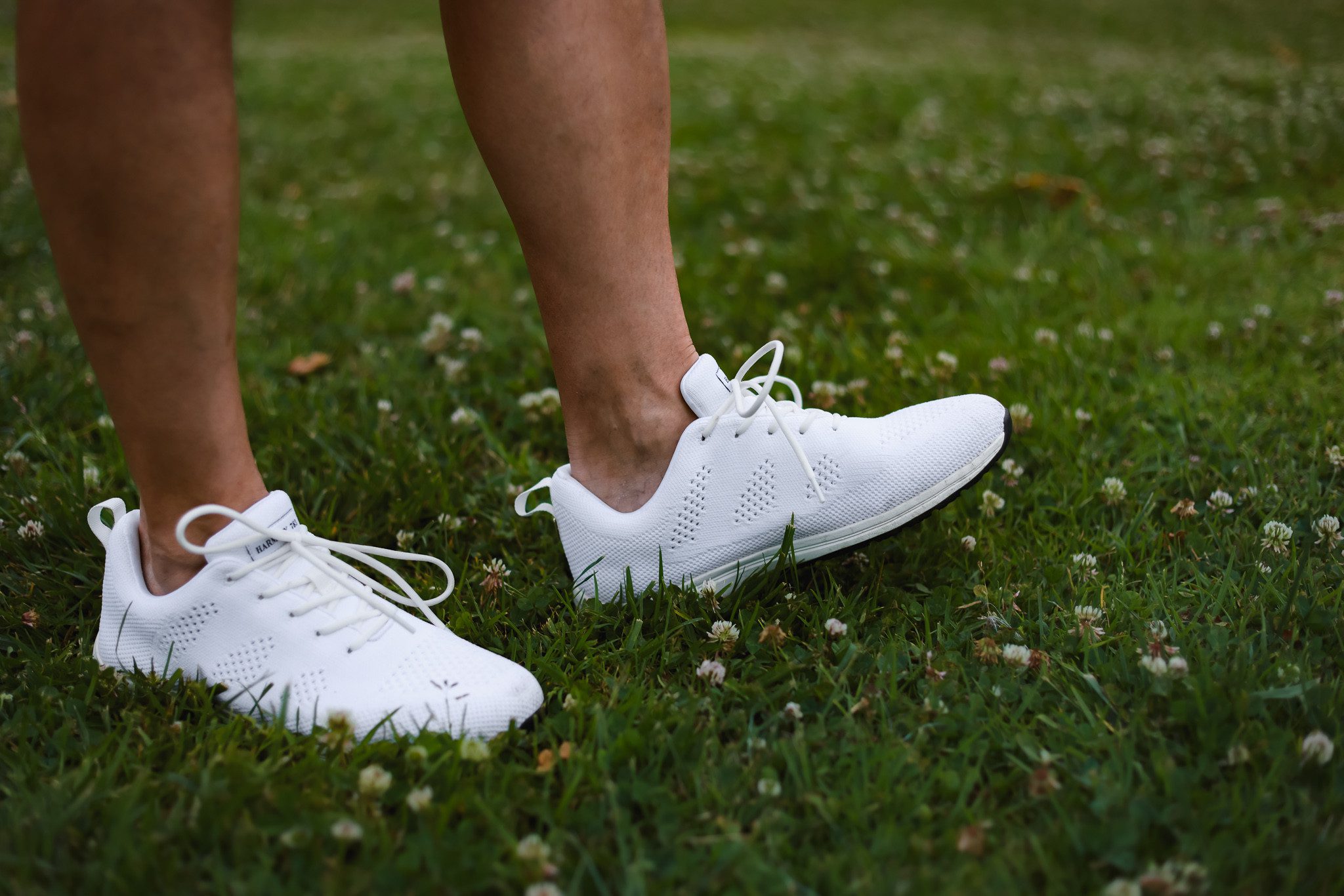
Shoes are the easiest wearable because you’re going to wear them anyway. Choosing grounding-friendly versions means every walk doubles as a reset.
- Harmony 783 (2025 collection): Carbon-infused soles, stylish sneakers and loafers. In the newest models, they’ve improved arch support and added recycled materials. Great if you want grounding that fits into professional life.
- Vivo Barefoot Pilgrim: Barefoot-style flexibility with conductivity. The 2025 edition includes compostable inserts and lighter construction. Perfect if you love natural movement.
- Groundz Bio & Raum Mecca: Eco-conscious sneakers made with sustainable fabrics and tested conductivity. Raum Mecca released a breathable knit sneaker this year, ideal for summer.
I use sandals more than sneakers, but I can see why these brands are popular—if I lived in the city year-round, grounding shoes would be my everyday go-to.
Sandals & Flip-Flops: The Easiest Route to Barefoot Moments
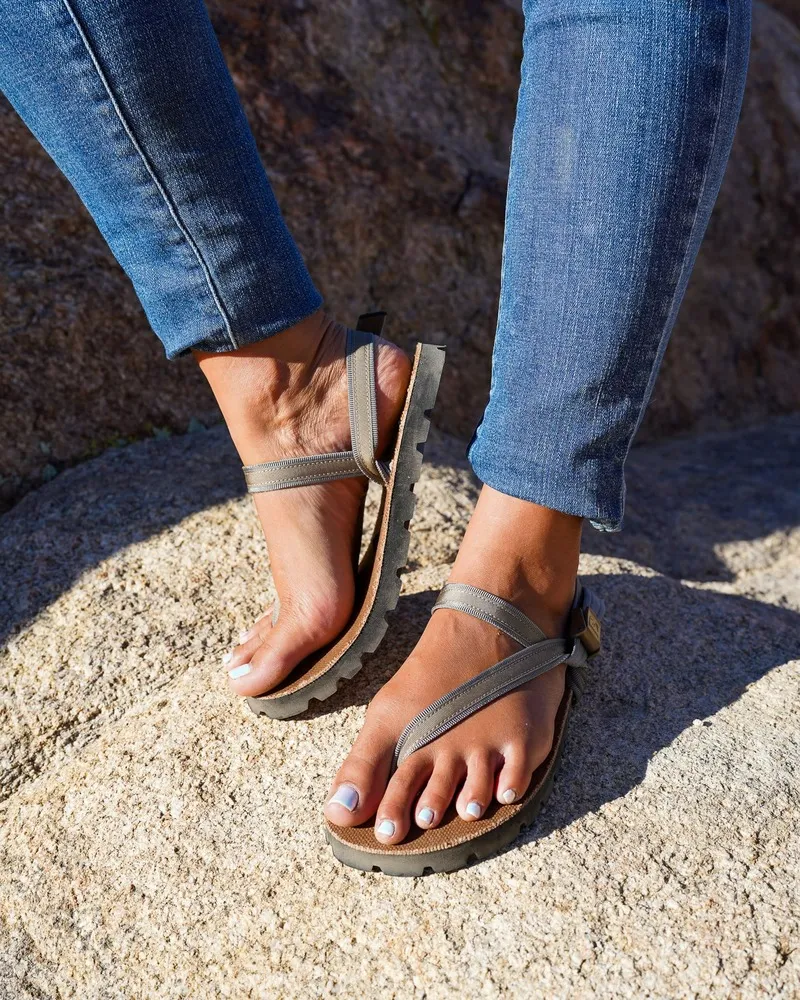
Sandals are my personal favorite because they make grounding spontaneous.
- iON SYNC Tolos: Among the best-tested grounding sandals, reducing body voltage up to 98%. Strong, secure, and proven.
- Earth Runners Sandals: Minimalist sandals with stainless steel laces that connect sole to foot. They feel close to barefoot, but safer on rough terrain.
- Pluggz Sandals & Flip-Flops: More cushioned for comfort, making them great for everyday errands or gardening.
When I bought my grounding flip-flops from Earthing.com, I quickly realized how easy they made everything. I even wear them when it’s cold, because if I pass a patch of grass, I can simply stop and connect. Sometimes I keep the flip-flops on—because they’re conductive anyway—but if I slip them off, the connection feels even deeper. When I add my hand to a tree, it becomes a mini meditation in the middle of anywhere. That small ritual brings me back into balance every time.
Grounding Socks: Staying Grounded Indoors & in Chillier Seasons
When winter hits or sandals aren’t an option, grounding socks are essential. They’re woven with silver or carbon fibers and conduct through grounding mats or directly on the floor if paired with grounding shoes.
The best socks I’ve come across are:
- Groundology Silver Socks: Made with 99% silver threads, long-lasting.
- Leosox Earthing Socks: Affordable and easy to wash.
I often wear grounding socks at home in the evenings. Sometimes just an hour before bed makes me feel calmer and helps my body let go of the day.
Bracelets, Anklets & Straps: Subtle but Effective
If shoes or socks aren’t practical, smaller wearables are a discreet option.
- Bracelets look like fitness bands and are easy to wear at work.
- Anklets are great for yoga, barefoot gardening, or slipping inside sandals.
- Travel straps can even be used on long flights to reduce static.
I find anklets especially useful in summer. They feel natural, and I can wear them all day without thinking about it.
Grounding Clothing & Textile Innovation
Clothing is still a niche, but it’s evolving.
- Leggings and base layers: Useful for yoga and pilates outdoors.
- Grounding sleepwear: Silver-thread fabrics that connect to cords.
- 2025 innovation: A conductive hoodie launched in Germany, combining warmth, grounding fibers, and EMF shielding.
This isn’t something I use daily, but I find the idea of sleepwear interesting—especially if paired with a grounding sheet.
Patches, Bands & Portable Grounding Solutions
These are the most direct tools, often used in clinical research.
- Adhesive patches stick directly on your skin, usually on the ankle or calf.
- Elastic wraps are reusable bands for arms or legs.
- Newer 2025 patches are more breathable and last hundreds of uses.
I like patches for travel. In hotel rooms or airports, it feels good to know I can still reconnect.
Pets and Grounding
Grounding isn’t just for humans. Pets often sense it more instinctively than we do. Many owners (and some holistic vets) notice that cats and dogs are drawn to grounding mats and pads.
During storms, pets often curl up on conductive surfaces. Dogs sprawl across mats when their humans are using them. Clinics suggest grounding may help reduce stress hormones in animals, and it makes sense—paws are naturally conductive, and animals are more tuned to subtle vibrations.
When I ground in the garden, my dog often lies next to me on the grass. Indoors, I’ve seen pets choose a grounding mat over other spots. It’s a reminder that this connection is deeply natural.
Daily Grounding Rituals for Urban Life
Keep your “daily rituals” section but thread in internal links and longer‑term health context:
- Morning commute: Wear grounding sneakers and pair them with nervous‑system‑friendly tools like Apollo Neuro or other wearables if readers are interested in tracking and regulating stress.
- Lunch walk in grounding sandals: Link to The Science Behind Grounding so curious readers can explore mechanisms and studies.
- Evening recovery: Combine grounding socks on a mat with sauna or heat rituals and link to The Sauna Ritual: More Than Heat and Science of Sauna.
- Weekend nature time: Suggest pairing grounding shoes with other low‑toxin choices like non‑toxic herb growing or safer cookware/water filtration to support a broader “healthy home” ecosystem.
What to Look for in Grounding Products
- Verified conductivity through voltmeter testing.
- Comfort and style you’ll actually use.
- Durability after repeated washing or wear.
- Transparent return policies and brand reputation.
- Option to test products yourself with simple kits.
Looking Ahead: Future Grounding Innovations
Grounding is moving quickly from niche to mainstream.
- Smart shoes with built-in conductivity sensors.
- Hybrid clothing that grounds and shields against EMFs.
- Experimental wireless grounding bands.
- Conductive outdoor flooring being tested in European parks.
The future is pointing toward grounding being seamlessly integrated into daily living spaces.
Conclusion
Grounding shoes and wearables let us carry the Earth with us into the city, the office, and the home. They’re not just products—they’re tools for rituals that restore balance. For me, it can be as simple as flip-flops, grass, and a tree. For others, it may be sneakers for the commute or socks at night. Even pets seem to sense the pull of grounded surfaces.
Clint Ober’s book Earthing explains the science behind this practice, but the real magic is in making it part of your everyday life. Combined with mats and sheets indoors, wearables complete the circle. Together, they form a true grounding hub.
Follow us on social Facebook
Also know About:
The Science Behind Grounding: How Connecting To The Earth Benefits Your Health
The Best Grounding Products of 2025: My Honest Take on What Works (and What Doesn’t)
The Science of Sauna 2025: Latest Health Research & Insights