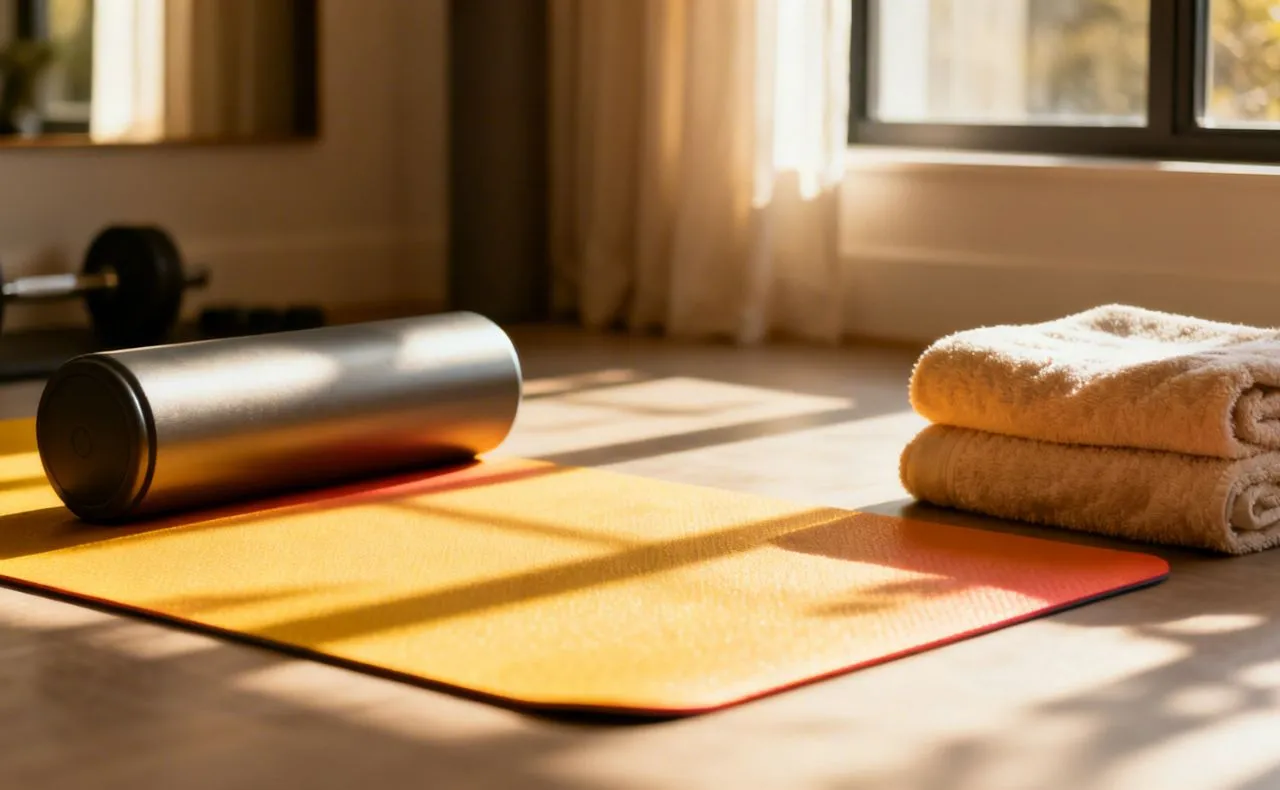
If you are searching for the best foam roller for back pain, vibration can be a real upgrade, not because it is “magic,” but because it can make rolling feel less blunt and more tolerable on tight days. The catch, especially for a HealthyHomeUpgrade reader, is that recovery tools are still contact tools. Your skin touches them. Your face is often close to them. So material transparency matters just as much as vibration settings.
I have used foam rollers on and off for years, especially when long walks made my hip feel irritated and stubborn. Gentle rolling did not “fix” anything overnight, but it often helped the area feel warmer, less tight, and easier to move the next day. That practical “this helps me actually do it” factor is why I like vibration rollers as a category.
Affiliate disclosure: This page may earn a commission from qualifying purchases at no extra cost to you.
Quick Answer
The best choice for most people is the one you will use consistently. For back pain and posture work, that usually means a roller with a stable shape, a vibration range that feels comfortable, and a surface material that is clearly disclosed. If a brand will not say what you are putting against your skin, I do not include it.
(Research note: systematic reviews suggest vibration foam rollers can support recovery outcomes and flexibility, but results vary and do not replace clinical care for injuries.)
At a Glance
| Pick | What it is | Material transparency (skin contact) | Vibration range | Best for |
| Best overall feel and ecosystem | Therabody WaveRoller | Hypoallergenic EVA foam, clearly stated | 5 intensity settings (Hz not published by Therabody) | Smooth daily rolling, beginners, sensitive days |
| Best “clean-material” approach | BLACKROLL Roller + BOOSTER 2.0 core | EPP roller material is emphasized by BLACKROLL as a low-odor, “pollutant-free” approach | 6 levels from 15 to 50 Hz | Posture work, thoracic mobility, people who hate “squishy” rollers |
| Best firm, deep pressure option | Flowlife Flowroller Pro | Foam type is disclosed by the brand (check your region’s product page) | 2000 to 3700 vibrations per minute (about 33 to 62 Hz) | Strong stimulation, athletes, dense tissues |
| Best structured surface for “grid” style rolling | TriggerPoint GRID VIBE Plus | EVA, ABS, polypropylene listed in documentation | Manual lists 40, 50, 60, 70 Hz | People who like a textured feel and targeted pressure |
Top Picks (Jump to Review)
- Best Overall: Therabody WaveRoller
Jump to review - Best Clean-Material Pick: BLACKROLL Roller + BOOSTER 2.0
Jump to review - Best for Strong Vibration: Flowlife Flowroller Pro
Jump to review - Best Textured Surface: TriggerPoint GRID VIBE Plus
Jump to review
How We Chose (HH Method)
I used a simple filter that matches HealthyHomeUpgrade values:
- Material Transparency Gate: if the brand does not clearly state skin-contact materials in official documentation, it is out.
- Closed-cell, low-odor approach: less absorption of sweat, easier cleaning, less “mystery smell” risk.
- Vibration control: enough range to find a comfortable setting for back and posture work.
- Shape stability: a roller that does not deform heavily under bodyweight is usually more predictable for the spine.
- Realistic use: the best roller is the one you can tolerate on a normal week, not only on your most motivated day.
What to Look for in the Best Foam Roller for Back Pain
When people say “back pain,” they often mean one of three things: stiff thoracic spine, cranky lower back from sitting, or general tightness around hips and glutes that pulls on the back. The roller you choose should match the pattern you actually have.
1) Firmness and shape stability
A soft roller can feel nice, but it may collapse and make it hard to control pressure. A firmer roller usually gives you a cleaner “signal” and lets you stay on supportive muscles instead of dumping pressure into sensitive spots.
2) Vibration range you can tolerate
More is not always better. Some people love strong vibration; others tense up immediately. If you brace, you lose the benefit.
3) Surface texture
Smooth is easier for daily use and for rolling near the spine. Textured “grid” surfaces can feel more targeted, but they can also be too aggressive if you are reactive.
4) Material and odor
For HH readers, this is not a side note. Rolling creates heat and friction, and your face is often close to the surface. A “cleaner” experience usually means a roller with clear material disclosure and a low-odor, closed-cell build.
5) Safety and common sense
If you have sharp pain, numbness, symptoms down the leg, or pain that is worsening fast, skip self-treatment and get assessed. A roller is a tool, not a diagnosis.
Enhance recovery with nature’s reset: explore grounding beyond mats – shoes, sheets & how to know you’re really grounded.
Safety and Materials (The HH Layer)
- Off-gassing matters more than people think: if a product smells strongly out of the box, that is data. Air it out, and consider whether you want that against your skin and near your breathing zone.
- Closed-cell hygiene: closed-cell rollers are easier to wipe clean and are less likely to absorb sweat.
- Electronics disposal: vibration cores contain electronics and should be disposed of responsibly when they die, not tossed casually in general waste. In the EU, that is exactly what WEEE rules are for.
Reviews
Therabody WaveRoller
Why it stands out: This is the “premium, friendly” option. The surface is comfortable, and the ecosystem is strong if you already like Therabody gear. Therabody states the roller uses hypoallergenic EVA foam and offers 5 vibration settings.
Best for:
- Daily rolling you will actually do
- People who want a smoother surface
- Anyone who prefers a calmer, more refined feel
What I like (HH angle): Clear statement of the foam material from the brand helps avoid the whole “mystery foam” problem.
Weakness: Therabody does not publish Hz specs on the product page, so you are choosing by “feel” rather than numbers.
Who should avoid this:
- Anyone who wants very firm, aggressive rolling
- People who care deeply about comparing frequency ranges across models
Pair rolling sessions with proper grounding: learn the safest grounding mat materials – carbon vs silver explained.
BLACKROLL Roller + BOOSTER 2.0
Why it stands out: This is the most “HH-aligned” concept when you like firmer rolling: pair an EPP-style roller approach with a vibration core. BLACKROLL lists the BOOSTER 2.0 frequencies clearly as 6 levels from 15 to 50 Hz.
Best for:
- Posture and thoracic mobility work
- People who dislike squishy rollers
- Anyone who wants clear frequency numbers
What I like (HH angle): BLACKROLL frames EPP as a low-odor, “pollutant-free” approach and highlights production methods that avoid chemical blowing agents.
Weakness (10/10 precision): The BOOSTER is electronics and hard plastic, which means end-of-life disposal matters. In the EU, treat it as e-waste (WEEE) and dispose of it properly.
Who should avoid this:
- Anyone who wants a very soft, cushioned feel
- People who do not want a multi-part setup (roller plus core)
Track posture improvements over time using smart scales to track your weight and BMI.
Flowlife Flowroller Pro
Why it stands out: This is the “strong stimulation” choice. The brand lists vibration speeds as 2000, 3000, and 3700 vibrations per minute, which is roughly 33, 50, and 62 Hz when you divide by 60.
Best for:
- Athletes and people who like firm pressure
- Glutes, hips, hamstrings, and “dense” tissues that respond to stronger input
- Short, intense sessions
What I like (HH angle): You get numbers for speed, which helps you compare without marketing fluff.
Weakness: Strong vibration can backfire if it makes you brace. If you tense your ribs and shoulders, posture work becomes the opposite of what you want.
Who should avoid this:
- Very sensitive backs
- Anyone who knows they overdo intensity when a tool offers it
TriggerPoint GRID VIBE Plus
Why it stands out: If you love the “grid” style feel, this keeps that texture but adds vibration. The documentation lists the build materials (including EVA, ABS, and polypropylene). The manual also lists four frequencies: 40, 50, 60, and 70 Hz.
Best for:
- People who like a more structured surface
- Targeted pressure on upper back, lats, glutes
- Those who want defined frequency steps
Weakness: Grid texture can be too aggressive for some backs, especially near the lower spine. Many people do better using textured rollers on surrounding muscles, not directly on sore spinal segments.
Who should avoid this:
- Anyone who bruises easily or gets irritated from textured rollers
- People who prefer a smooth, calming feel
Buyer’s Guide: Getting Results Without Overdoing It
- Start smaller than you think: 30 to 60 seconds per area is plenty at first.
- Stay off bony areas: roll muscles, not vertebrae.
- Use it as a bridge, not a replacement: rolling can help you move better, then gentle strength work helps you keep the benefit.
- If you are stiff from sitting: focus on upper back (thoracic), lats, glutes, and hip flexors rather than hammering the lower back.
FAQs
Is vibration better than a normal foam roller?
Sometimes. Studies suggest vibration foam rolling can improve range of motion outcomes compared with non-vibration rolling in some contexts, but results vary and it is not a miracle fix.
Can a foam roller “fix” back pain?
No single tool “fixes” back pain. A roller can reduce stiffness and make movement feel easier, which can help you do the habits that matter.
How do I avoid buying a “toxic” roller?
Use the HH rule: if the brand will not clearly state the skin-contact materials in official documentation, skip it.
Final Verdict
The best foam roller for back pain is the one that matches your tolerance and your values. If you want the smoothest premium experience, Therabody is the easy pick. If you want the most HH-aligned “clean material” approach plus clear frequency numbers, BLACKROLL + BOOSTER 2.0 is hard to beat. If you love strong vibration, Flowlife is the intensity option. If you prefer a structured, grid-like surface, TriggerPoint GRID VIBE Plus is the textured choice. And if you’re building a broader low-impact recovery routine at home, pairing your roller work with a full-body cardio machine like the Hydrow rower can give you both gentle strength and heart health without pounding your joints.
References (editor source list)
- Vibration foam roller systematic review and meta-analysis (Sports Medicine Open, 2022)
- Therabody WaveRoller product information and settings
- BLACKROLL BOOSTER 2.0 frequency levels
- BLACKROLL EPP material framing and production claims
- TriggerPoint GRID VIBE Plus manual frequency list and materials
- EU WEEE directive (electronics disposal framework)