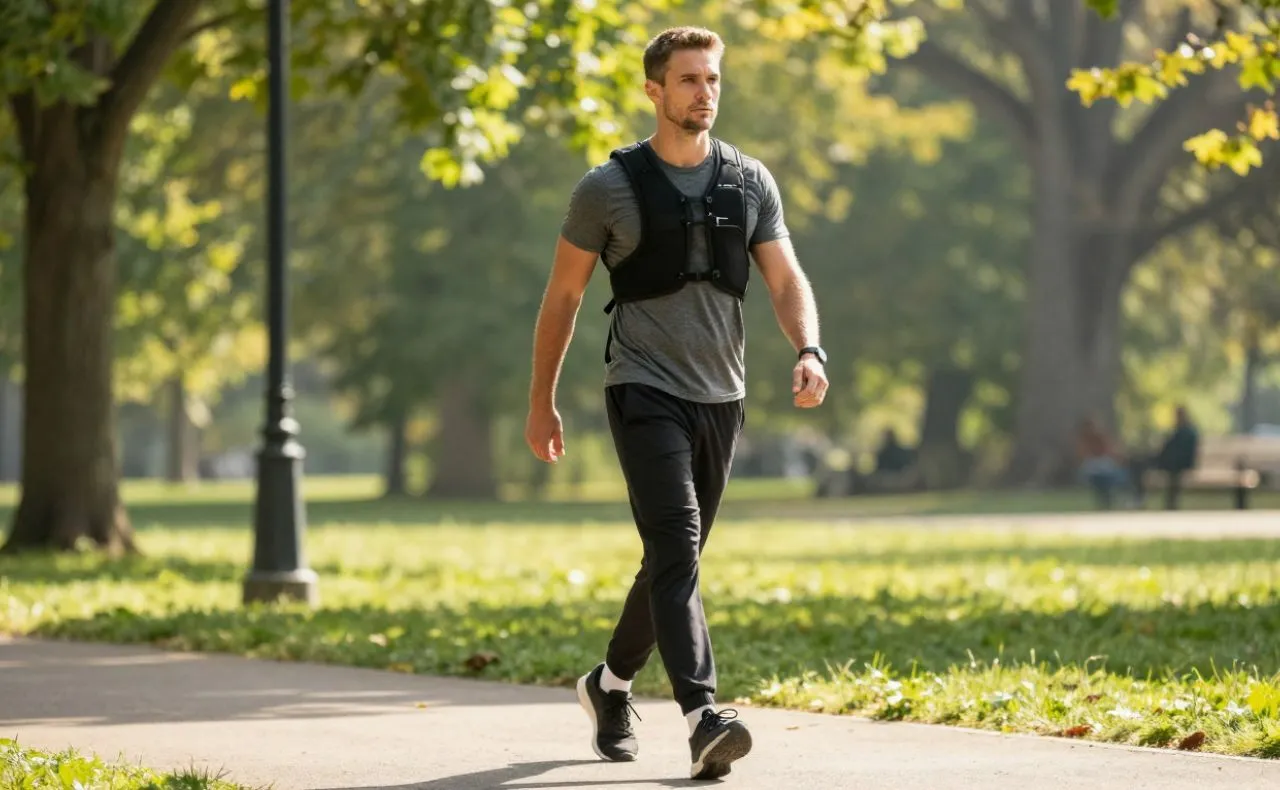
Walking with a weighted vest is one of the simplest “home gym” upgrades: you keep the habit (walks), but gently raise the effort level. In this guide, I’m focusing on the best weighted vest for walking in 2026—models that stay stable, feel comfortable on longer walks, and hold up over time.
A quick note for long-term consistency: the best results come from secure fit + gradual progression, not from going heavy fast.
Quick Answer
For most people, choose a vest that sits high and snug, keeps weight balanced front + back, and minimizes bounce. If you’re new to load, start light and let comfort (not ego) set your pace.
Fast Start (safety-first): Start with 5–10% of body weight, walk 2–3 days/week, and stop early if you feel joint pain or your posture collapses. Progress by changing either time or weight in a week—rarely both.
At a Glance (with price category)
Price category is a general guide only: $ = budget, $$ = mid-range, $$$ = premium. (No exact prices—those change constantly.)
| Pick | Best for | Style | Weight system | Heat/comfort feel | Price | Quick reality check |
| Rogue Plate Carrier | Stability + durability | Plate | Swap plates | Airy, low-profile | $$$ | Plates usually bought separately |
| TRX HEXGRIP | Adjustable progression | Small removable weights | Very secure, can run warm | $$$ | Great control; less breathable in heat | |
| GORUCK Rucking Vest | Hills + rucking walks | Plate | Swap plates | Padded, load-friendly | $$$ | Built tough; can feel bulkier |
| Hyperwear Hyper Vest Pro | Comfort that moves with you | Compression/pocket | Modular weights | “Wearable” feel | $$$ | Capacity depends on size/system |
| miR Air Flow | Breathability + easy maintenance | Add/remove weights | Ventilated feel | $$ | Region availability can vary | |
| Henkelion | Budget “try it” starter | Fixed vest | Fixed weight | Soft, simple | $ | Limited progression (not adjustable) |
Affiliate Disclosure
This article may contain affiliate links. If you buy through a link, the site may earn a commission at no extra cost to you.
Top Picks (Jump to Review)
Best Overall (walking + training): Rogue Plate Carrier
Jump to Review: Rogue Plate Carrier
Best Adjustable Fit + Load: TRX HEXGRIP Weight Vest
Jump to Review: TRX HEXGRIP
Best for Rucking/Hills: GORUCK Rucking Vest
Jump to Review: GORUCK Rucking Vest
Best “Feels Like Clothing”: Hyperwear Hyper Vest Pro
Jump to Review: Hyperwear Hyper Vest Pro
Best Breathability + Easy Cleaning: miR Air Flow
Jump to Review: miR Air Flow
Best Budget Starter: Henkelion Weighted Vest
Jump to Review: Henkelion
How we chose (so this stays trustworthy)
These picks are based on:
- Manufacturer specifications (style, adjustability, weight system, materials, care guidance)
- Independent review methodology as a reality check (comfort, bounce, breathability, ease of use)
- Verified user-reported patterns (common themes like “runs hot,” “easy to adjust,” “shoulder pressure”)
- Walking-first priorities: secure fit, low bounce, shoulder comfort, practical progression, and durability
Rogue Plate Carrier
Why it’s strong for walking
- Low bounce and high stability for brisk walking, stairs, and incline treadmill sessions
- Minimal interference with natural arm swing and breathing rhythm
- Built to handle repeated use and hard training environments
Watch-outs
- Plates are typically purchased separately
- Plate swapping is less “fine-tuned” than pocket systems with smaller increments
Best for
Walkers who want the most stable feel and don’t mind a plate-based system.
Soothe leg muscles after long weighted walks with the best mini massage guns for travel.
TRX HEXGRIP Weight Vest

Why it’s strong for walking
- Close-to-body fit helps reduce sway and bounce
- Progression-friendly for people who prefer smaller weight increases over time
- Works well if you also want to use the vest for home strength circuits
Watch-outs
- Some materials and coverage can feel warmer on longer outdoor walks
- Fit matters: the vest should sit high and snug (sliding down = discomfort)
Best for
Walkers who want adjustable progression and a secure feel.
GORUCK Rucking Vest
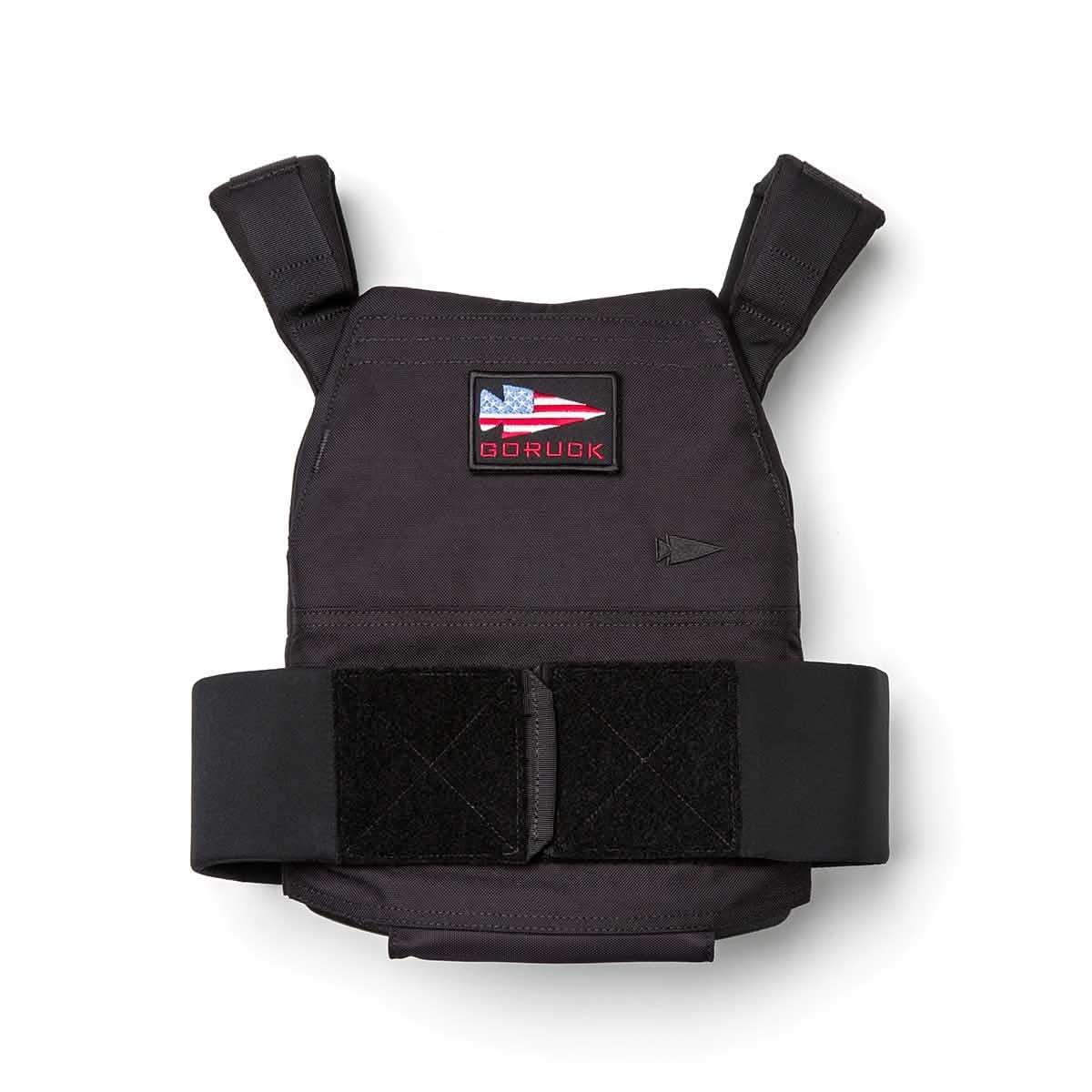
Why it’s strong for walking
- Designed for load carriage and outdoor use
- Often preferred when hills, stairs, or longer “ruck-style” walks are the goal
- Built to take a beating
Watch-outs
- Can feel bulkier than minimalist carriers
- Fine for walking, but some people prefer slimmer designs for mixed workouts
Best for
Hills, outdoor terrain, and anyone building a rucking habit.
Alternate walking days with low-impact cardio: check the Hydrow rower review (2026) – real experience & verdict.
Hyperwear Hyper Vest Pro
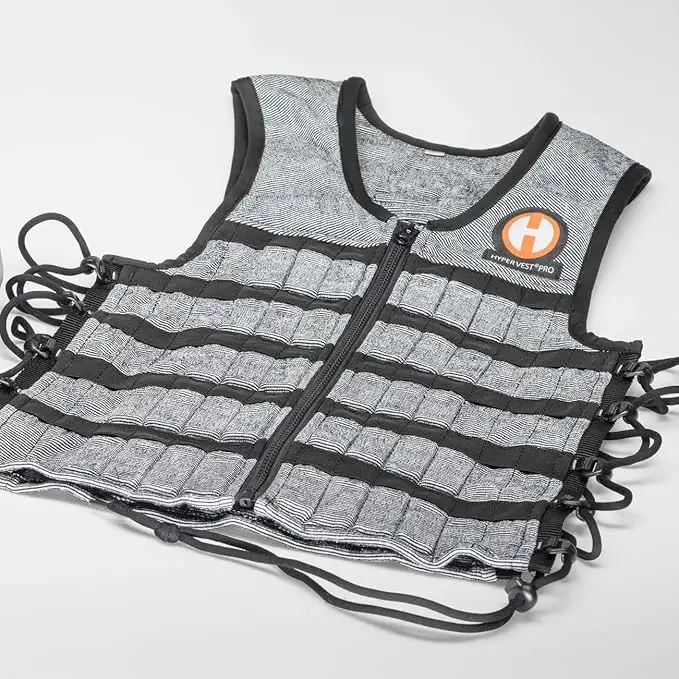
Why it’s strong for walking
- “Wearable” comfort that moves with your torso
- Mobility-friendly feel for longer walks
- Often a good choice when shoulder comfort and freedom of movement are priorities
Watch-outs
- Capacity and increments depend on the size/system you choose
- Premium option—may be more than you need if you only want light load walks
Best for
Comfort-first walkers and longer incline sessions.
miR Air Flow
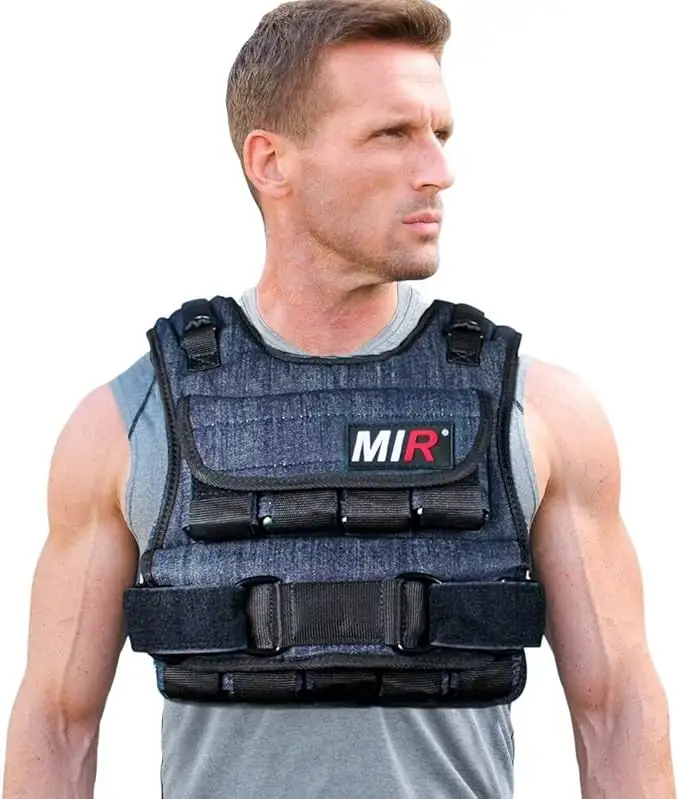
Why it’s strong for walking
- Designed with ventilation and sweat comfort in mind
- Practical choice for frequent users who walk in warm climates
- Good option when comfort over time is the top priority
Watch-outs
- Availability and model variations can differ by region
- Comfort depends heavily on tightening and strap layout
Best for
Sweaty walks, warm climates, and high-frequency use.
Henkelion Weighted Vest

Why it’s strong for walking
- Simple, budget-friendly, and easy to put on
- Good “starter” choice if you want a modest effort bump without complexity
Watch-outs
- Fixed weight means you may outgrow it
- Less ideal if you want long-term progression in small steps
Best for
Beginners who want to test the habit first, then upgrade later.
Best weighted vest for walking: How to choose in 60 seconds
1) Start weight (the safest way to build consistency)
A common beginner guideline is to start around 5–10% of body weight, then increase slowly based on comfort and recovery.
| Body weight | 5% start | 10% start |
| 50 kg | 2.5 kg | 5.0 kg |
| 60 kg | 3.0 kg | 6.0 kg |
| 70 kg | 3.5 kg | 7.0 kg |
| 80 kg | 4.0 kg | 8.0 kg |
| 90 kg | 4.5 kg | 9.0 kg |
Rule that prevents overuse pain: progress by changing either duration or weight per week—rarely both.
2) Fit matters more than brand
For walking, the vest should:
- sit high on the torso
- be snug enough to reduce bounce
- keep weight balanced front + back
If the vest slides down or swings, it will feel heavier than it is.
3) Pick the style that matches your life
- Plate style: often the most stable, low bounce, great for brisk walking
- Pocket adjustable: best for small increments and long-term progression
- Fixed weight: simplest and cheapest, but limited progression
4) Heat and comfort are not “nice-to-haves”
If you walk often, a vest that runs too hot becomes something you avoid. Breathability, open sides, and moisture-friendly materials matter.
5) Maintenance (the overlooked win)
You will sweat in this. Prioritize:
- wipe-down friendly materials
- full drying between sessions
- clear care instructions so the vest doesn’t become a smell trap
6) Recovery support (small upgrade, big consistency)
If you’re walking with load 2–4 times per week, basic recovery helps: hydration, calf/hip mobility, and simple muscle care. If you already use recovery tools at home, a small device can make weekly consistency easier (see our mini massage gun guide).
Safety notes for longevity-focused walking
Weighted walking increases overall load. That can be useful—but only when you progress gradually.
- If you have joint pain, balance issues, or prior injuries, start lighter and progress more slowly.
- Keep posture tall: ribcage stacked over pelvis, relaxed shoulders, short strides.
- If your lower back feels “compressed,” the vest may be too heavy or sitting too low.
FAQs
Is weighted-vest walking good for calorie burn?
Adding load typically increases demand. For many people, the bigger win is consistency: if the vest makes your walks “denser” without needing to run, you may stick with it longer.
How often should I do weighted walking?
A strong starting point is 2–3 sessions per week, plus normal walks on other days. Add a 4th only if joints and recovery feel great.
Can I use a vest every day?
Some can—if the load is light and movement quality stays strong. Many do better alternating heavier and lighter days.
Should I run with a weighted vest?
If your goal is walking longevity, you don’t need to. Running with load is higher impact. If you do it, keep the load low and progress slowly.
What if it hurts my shoulders or neck?
That’s usually a fit or load issue. Reduce weight, tighten fit, and choose wider straps or a design that distributes pressure better.
Conclusion
If you want one safe, simple recommendation: choose a vest that fits snugly, keeps weight balanced front and back, and allows a conservative start. That’s how you land on the best weighted vest for walking for your body and routine.
If you enjoy low-impact cardio as well, pairing weighted walks with an intelligently programmed indoor bike can round out your home gym without adding joint stress — and a detailed NordicTrack S22i Review can help you decide if that particular smart bike belongs alongside your vest as a long-term training partner.
References
OutdoorGearLab (independent review methodology)
Mayo Clinic (bone health and weight-bearing exercise overview)
Atlantic Health (starting guidance)
ACSM (exercise/bone health principles).