How a Functional Home and Kitchen Make Better Food Choices Automatic
Quick Answer
Functional foods are foods that do a little more for the body than just fill you up. For me, they are not about strict rules or special recipes. They are about making everyday choices easier at home. When your kitchen is set up in a simple, practical way, better food choices happen almost on their own, without turning health into a project.
What Are Functional Foods?
When people ask what are functional foods, the simplest answer is this: they are foods that help the body do its job a little better.
Functional foods go beyond calories and basic nutrients. They contain fiber, plant compounds, healthy fats, and naturally active substances that support digestion, gut balance, stable energy, and long-term health. Some occur naturally in everyday foods. Others are combined or prepared in ways that make their benefits easier to use in daily life.
What matters most is not labels or trends, but whether the food actually fits into normal routines.
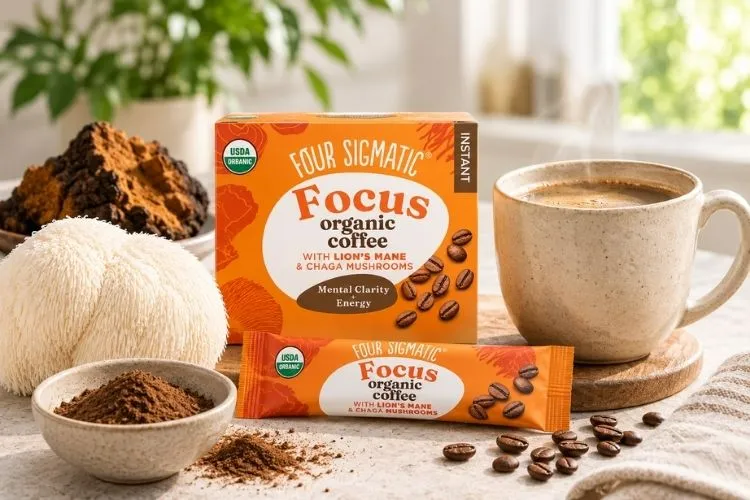
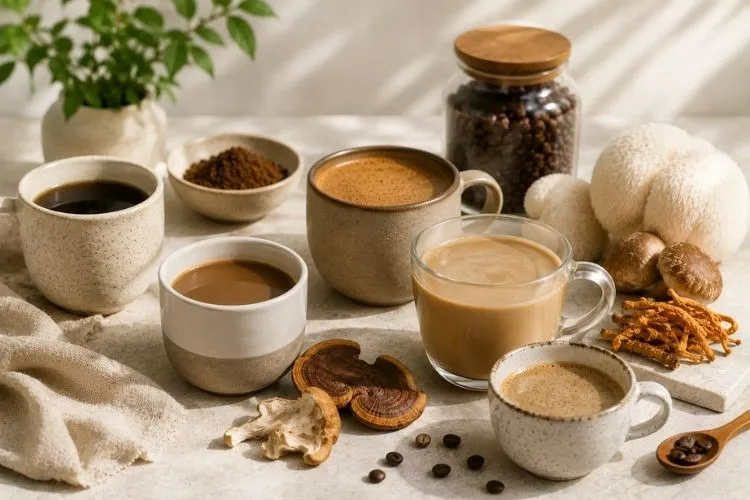
Our comparison of the best mushroom coffees explains how to assess mushroom dose, organic ingredients, extracts, and beta-glucan transparency.
Functional Foods Start With the Home, Not the Plate
Most people do not eat poorly because they want to. They eat what is easiest.
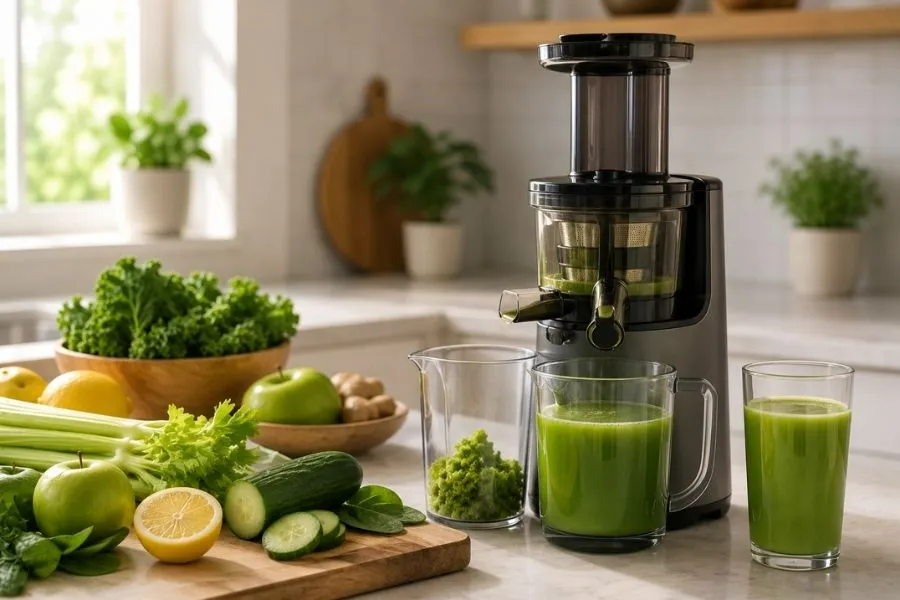
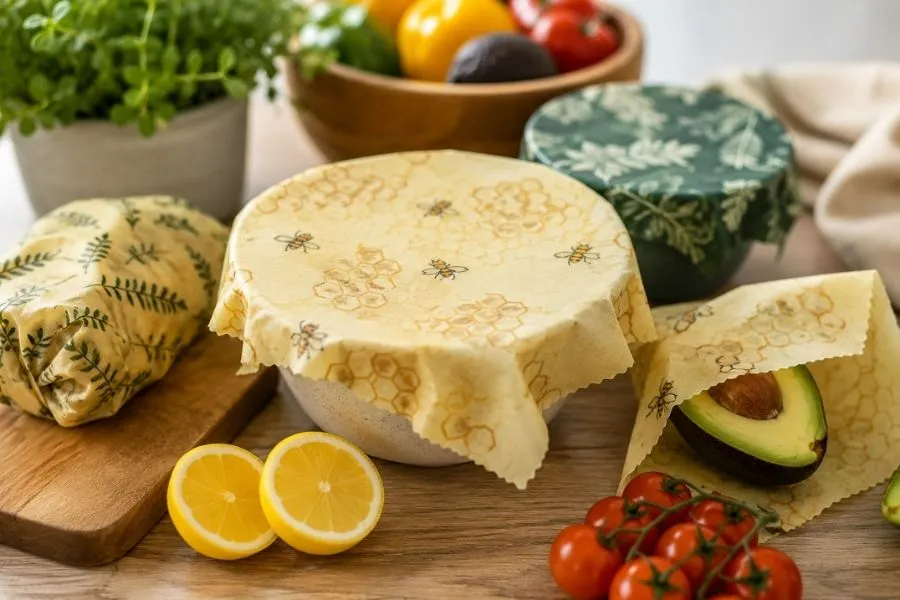
That is why the home matters. When the kitchen makes better choices simple, food quality improves without much thinking. Tools that are easy to use, ingredients that are visible, and storage that supports fresh food all make a difference.
A functional kitchen reduces friction. It quietly supports better habits instead of relying on motivation or discipline.
Functional Foods and Drink Alternatives in Daily Life
Drinks are often where habits show up first.
What you have within reach is usually what you drink. When lemon, water, and herbal teas are easy options, they slowly replace sweeter drinks without effort. This is one of the simplest functional food upgrades you can make at home.
It is not about removing everything at once. It is about making better options the obvious choice.
Swap dairy for gut-boosting power: discover the top 5 dairy-free probiotic yogurts for daily gut support.
A Real Example of a Functional Kitchen Routine
My routine is not perfect, but it is supported by my home.
The day starts with lemon water prepared in glass, followed by gentle movement and breathing. Coffee comes later, not first. Eating happens when it fits naturally, not because of a fixed schedule.
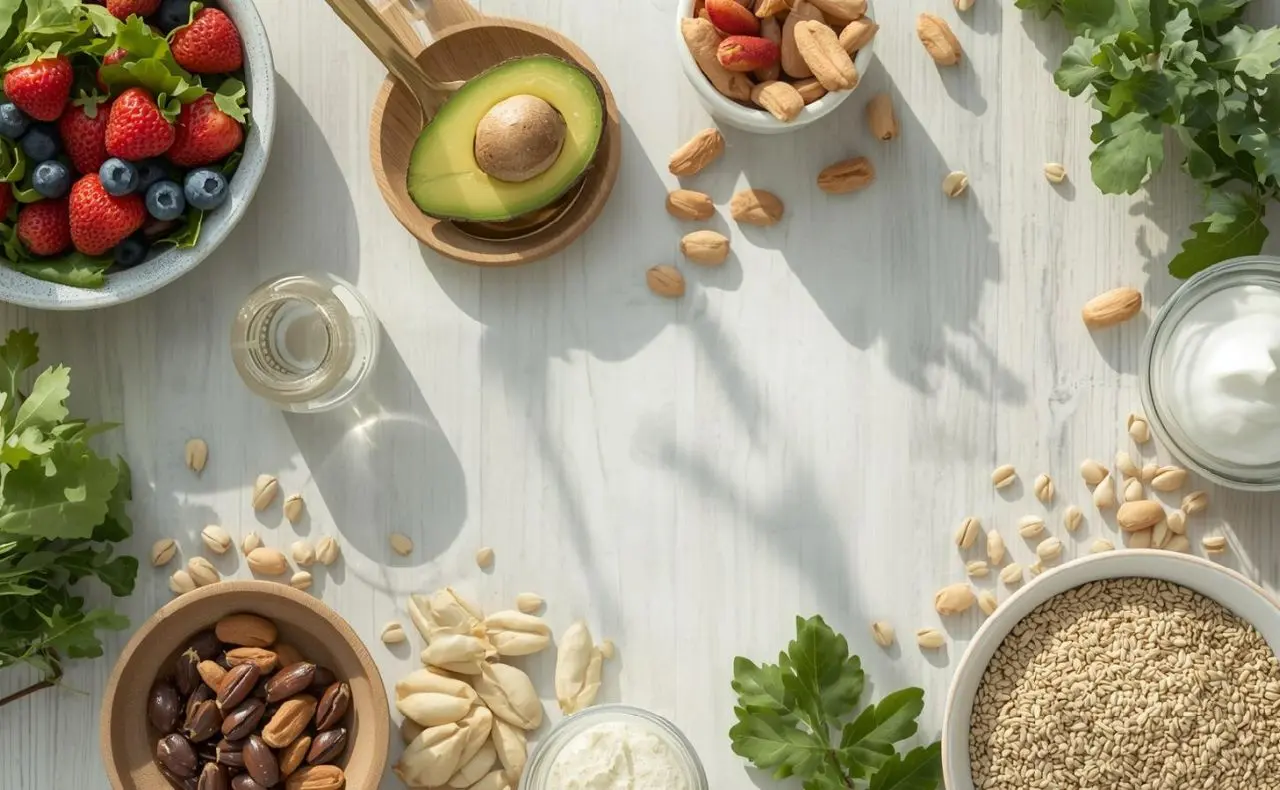
Meals are simple because the ingredients and tools are already there. Yogurt, frozen berries, nuts, seeds, and ground flax are easy to combine when storage is organized and basic tools are always within reach.
Lunch is built around fresh vegetables prepared the same day. A functional kitchen makes this realistic by keeping preparation simple and ingredients visible. Herbs are treated as everyday food, not decoration.
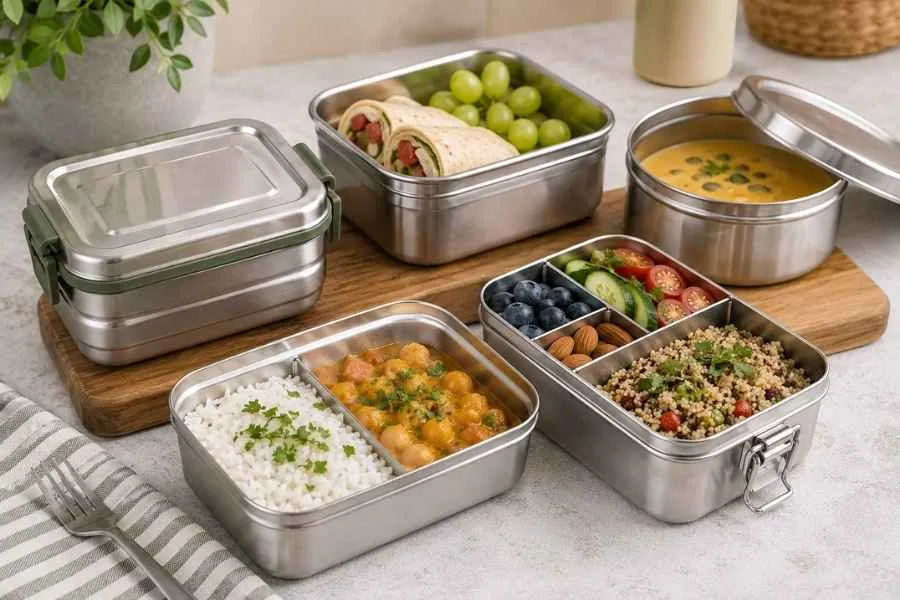
Later meals rely on flexible tools. An air fryer or a simple oven-safe dish allows vegetables and eggs to be prepared quickly with minimal cleanup. Using the same tools repeatedly makes the routine sustainable.
Energize workouts naturally with beet powder vs beet juice: which is the best natural pre-workout?
Fiber as a Functional Foundation
Fiber is one of the most underestimated parts of everyday nutrition.
Many people eat far too little fiber, which affects digestion, gut balance, and long-term comfort. A functional kitchen makes fiber intake almost invisible by supporting whole vegetables, legumes, seeds, and simple fiber additions.
Soluble fiber feeds beneficial gut bacteria. When these bacteria break down fiber, they produce short-chain fatty acids such as butyrate, which support gut lining balance. Hydration and fiber work together, which is why access to water and simple routines matter.
Supercharge smoothies using the 5 best all-in-one daily greens supplements for gut health

The Lemon Bomb as a Kitchen-Based Functional Tool
Some functional foods are prepared once and used over several days. This is where the kitchen setup really helps.
The Lemon Bomb is an example of a concentrated functional food prepared at home using basic tools. Organic lemons with peel and fresh garlic are blended into a thick paste and stored in glass in the refrigerator. The entire batch is used within a few days.
Because preparation happens once, daily use becomes easy. A portion is blended with water and combined with greens or sprouts using a blender that is already part of the routine.
This turns functional nutrition into a habit rather than a daily task.
Sprouts, Microgreens, and Herbs as Living Kitchen Ingredients
Sprouts, microgreens, and herbs are functional foods that fit naturally into a functional home.
Sprouts are grown without light and used for their concentrated plant compounds, often in blended drinks. Microgreens are grown with light and used as food, adding variety and freshness to meals.
Fresh herbs are often overlooked, but they are among the most practical functional foods. They are easy to use, require no preparation, and add both flavor and plant compounds to everyday meals.
When these ingredients are treated as normal parts of the kitchen, they are used regularly instead of occasionally.
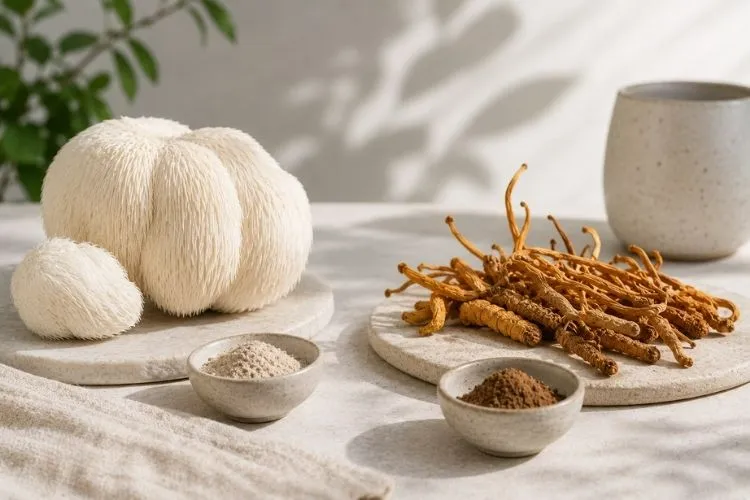
For a closer look at two popular functional mushrooms, compare lion’s mane and cordyceps for focus and energy.
Why Functional Foods Work Best When the Home Supports Them
In my experience, health works best when it does not require discipline every single day.
When the home supports better choices, those choices become normal. Over time, that matters far more than doing things perfectly. Functional foods work best when they are part of how a home functions, not something added on top.
On HealthyHomeUpgrade, functional foods are about upgrading the home so better habits happen quietly in the background.